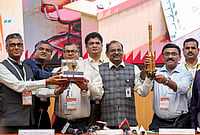
In 2022, K.K. Shailaja, a Central Committee member of the Communist Party of India(Marxist), received a communication from the Ramon Magsaysay Award Foundation informing her that she had been selected for the prestigious award. The recognition was for her work as Health Minister during the COVID-19 pandemic and the Nipah outbreak.
As a disciplined Marxist, Shailaja did not publicly question the double standards of the party. When the CPI(M)-led government in West Bengal, under Buddhadeb Bhattacharjee resorted to police firing on protesting farmers during the land acquisition drive in Nandigram. The land was intended for projects involving the Indonesia-based Salim Group, a conglomerate linked in public discourse to the violent anti-communist purges in that country.

The decision of the party was attributed, in political circles, to growing unease among sections of the top leadership towards K.K. Shailaja’s rising profile. This attitude of the party leadership has on many accounts continued since then. She was not included in the cabinet when Pinarayi Vijayan returned to power. The decision triggered political murmurs that the party’s leadership was uncomfortable with her being projected as a potential chief ministerial face.
One of the senior-most women leaders of CPI(M), Shailaja comes from a modest background. Her political journey followed an organic path through the party’s mass organisations, beginning with the SFI and DYFI. A science teacher, she quit her job after becoming an MLA in 1996.


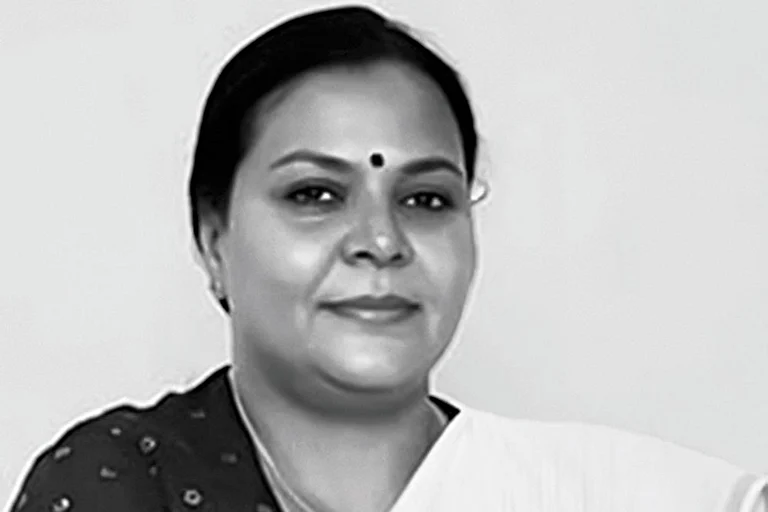
Shailaja has emerged as the most prominent woman face of the CPI(M) after the legendary K.R. Gowri, particularly after she became a minister in the first government led by Pinarayi Vijayan.
Yet, the party’s handling of her trajectory has invited comparisons with its treatment of Gowri, who, despite being projected as a chief ministerial candidate once, was ultimately denied the top post. Observers see echoes of that moment in more recent decisions concerning Shailaja. In the latest assembly election, instead of being fielded from a relatively safe constituency, she was nominated to contest against the KPCC President in a sitting UDF stronghold. The move has been read in political circles as a sign of the party leadership’s cautious approach to her growing individual prominence.
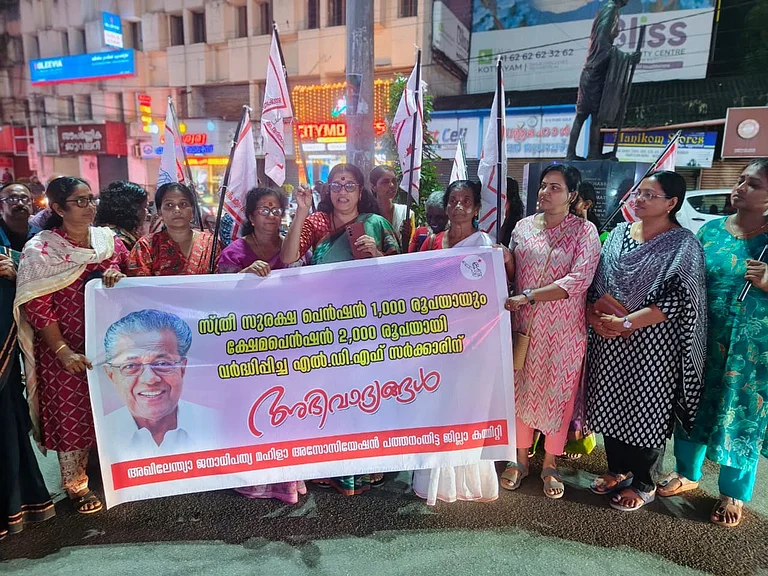
Whether K.K. Shailaja will go on to become the first woman Chief Minister of Kerala remains an open question. Shailaja herself is likely to dismiss such speculation as inconsequential. Yet, for a state that has never had a woman Chief Minister—despite having a higher number of women than men—the question carries considerable weight. It reflects not just the prospects of an individual leader, but the larger issue of women’s representation in Kerala’s political landscape.

MORE FROM THIS ISSUE


This article is part of the magazine issue dated May 11, 2026, called 'Khela Hobe? ' about Assembly Elections 2026 and how West Bengal may prove to be the toughest battleground for the Bharatiya Janata Party.