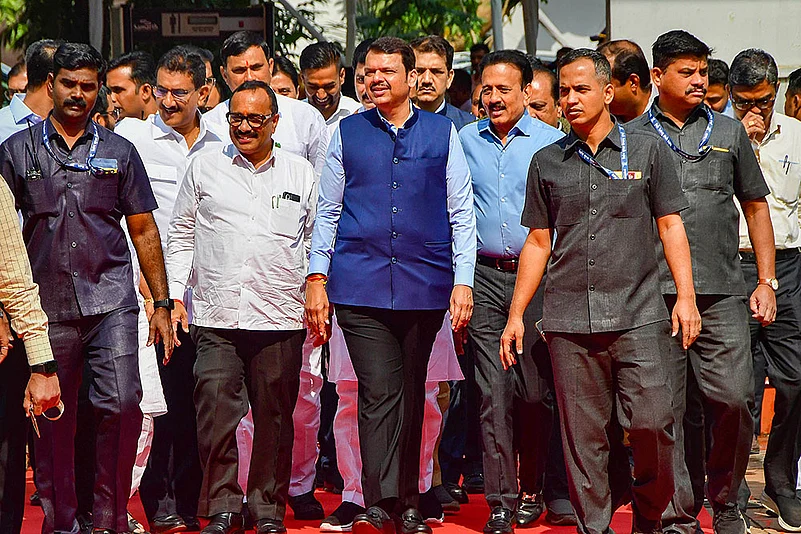
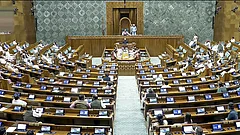
Winter session of Maharashtra assembly will take place from December 8 to 14 at Nagpur.
The winter session historically 10–15 days long, has in recent years shrunk to just 5–6 working days.
Opposition leaders say the shortened schedule limits scrutiny of major issues, including drought, agrarian distress and civic financial crises.
The Maharashtra Legislative Assembly’s winter session, which traditionally serves as one of the most important sittings of the year, will take place in Nagpur between December 8 to 14. Once known for more exhaustive debates and detailed scrutiny of government functioning, the winter session has in recent years become notably shorter, drawing criticism from opposition parties, parliamentary experts and citizen groups.
Historically, the winter session—held in Nagpur as part of the state’s commitment to decentralised governance—ran for around 10 to 15 working days. But multiple studies by civil society groups and legislative research organisations show a sharp decline in the duration of all three annual sessions.

In several recent years, the winter session has wrapped up in five to six days, making it one of the shortest sittings in the state’s legislative calendar. Overall, Maharashtra now averages 55–60 working days across all sessions annually, far below the 90-day benchmark once considered ideal for a large state.


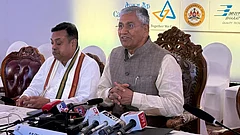

This year’s session is crucial, with key issues such as drought management, Flood in Marathwada, agrarian crisis, farmers affected by crop insurance fraud, the financial crisis faced by municipal bodies, the Maratha reservation demand and the rising incidents of crime expected to dominate the session. Ajit Pawar is likely to be cornered by the opposition over Pune land dispute case in which his son Parth is allegedly involved. Corruption and irregularities in current civic body polls will also be one the key issue be raised in the house.
Opposition parties have said the shortened schedules severely limit their ability to question the government, move calling-attention motions and raise constituency-level problems. They argue that curtailed sessions weaken legislative accountability and reduce opportunities for transparent policy deliberation.
The government, however, maintains that business is being conducted efficiently and that shorter sessions do not necessarily translate to lower productivity. Yet former presiding officers and legislative experts have repeatedly emphasised that a reduction in the number of sitting days inevitably impacts the quality of debate and the depth of oversight.