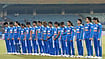
Kohli’s first List A appearance in 15 years and Rohit’s Mumbai return have lifted VHT 2025-26 into rare spotlight
Elite-Plate structure keeps promotion pressure high, making even lower-tier games meaningful
Tournament performances feed directly into India’s ODI planning for the 2027 World Cup cycle
The Vijay Hazare Trophy 2025-26 is set to roll out as India’s premier domestic one-day competition, featuring teams across both Elite and Plate divisions. Named after former India captain Vijay Hazare, the tournament has long been the backbone of India’s 50-over domestic structure, producing ODI-ready players year after year. With 38 teams in action once again, the competition promises a packed schedule, fierce rivalries, and crucial opportunities for players to push their national claims.
This particular edition has generated far more buzz than usual, and the reason is simple, Virat Kohli and Rohit Sharma. With both senior stars stepping away from T20 Internationals and shifting focus toward ODIs, their confirmed domestic appearances have brought rare attention to the VHT. Kohli returning to List A cricket after 15 years and Rohit turning up for Mumbai has made this season feel less like a routine domestic event and more like a high-profile national audition.
At its core, the Vijay Hazare Trophy is India’s official List A tournament, played in the 50-over format. Unlike the Ranji Trophy, which tests red-ball patience across four-day matches, or the Syed Mushtaq Ali Trophy, which thrives on T20 explosiveness, VHT sits perfectly in between. It mirrors international ODIs in tempo and structure, making it a key pathway for white-ball selection and a crucial performance marker for batters, bowlers, and all-rounders alike.


Most Successful Teams in Vijay Hazare Trophy
Karnataka enter the 2025-26 season as defending champions, having lifted the title last year with a well-balanced squad. Historically, Tamil Nadu and Karnataka remain the most successful sides in VHT history, with five titles each to their name, while teams like Mumbai, Saurashtra, and Delhi have consistently featured deep into the knockout stages across editions.
The 2025-26 tournament sees teams split into Elite Groups (A to E) and the Plate Group, ensuring competitive balance. Traditional heavyweights compete in the elite tier, while emerging and developing sides battle it out in the plate, keeping promotion hopes alive. Each elite group follows a round-robin format, with top teams progressing to the knockouts.
| Group A | Group B | Group C | Group D |
| Jharkhand | Assam | Chhattisgarh | Andhra Pradesh |
| Karnataka | Baroda | Goa | Delhi |
| Kerala | Bengal | Himachal Pradesh | Gujarat |
| Madhya Pradesh | Chandigarh | Maharashtra | Haryana |
| Puducherry | Hyderabad | Mumbai | Odisha |
| Rajasthan | Jammu & Kashmir | Punjab | Railways |
| Tamil Nadu | Uttar Pradesh | Sikkim | Saurashtra |
| Tripura | Vidarbha | Uttarakhand | Services |
The Plate Group plays a vital role in the tournament ecosystem. It offers developing teams regular high-quality matches, with the top plate sides earning promotion to the elite division next season, a pathway that has already benefited several newer teams in recent years.
| Teams |
| Arunachal Pradesh |
| Bihar |
| Manipur |
| Nagaland |
| Meghalaya |
| Mizoram |
The competition runs from late December 2025 through January 2026, with group matches followed by quarterfinals, semifinals, and the final. Matches are hosted across multiple venues in India, often with centralized hubs to manage scheduling and logistics efficiently.
In terms of coverage, matches are broadcast on Star Sports Network, while live streaming is available on JioHotstar, though not all fixtures are televised, a familiar reality of India’s domestic season.
Looking beyond domestic stakes, the VHT carries added relevance with the 2027 ODI World Cup on the horizon. India’s next major ODI assignment is a home series against New Zealand in early 2026, making this tournament a crucial platform for form, fitness, and experimentation. As always, performances here could quietly shape India’s next white-ball core, which is exactly why the Vijay Hazare Trophy still matters more than most realise.