


Summary of this article
Vaazha 2 controversy grows as LiverDoc backs film citing public health evidence.
Ayurveda groups raise objections, legal notice issued over film’s depiction concerns.
Debate highlights risks of herbal medicines, including liver damage and toxicity cases.
The Vazha 2 controversy has taken a sharper turn after public health commentator Abby Philips, widely known as LiverDoc, publicly supported the Malayalam film, calling it an important intervention in ongoing conversations around healthcare. His remarks come at a time when the film is facing legal scrutiny over its portrayal of Ayurvedic treatments.
LiverDoc on Vaazha 2 controversy and public health concerns
In a detailed social media post, it was argued by Abby Philips that Vaazha 2 highlights a medically relevant issue. A character in the film is shown developing severe liver disease after consuming arishtam, an Ayurvedic formulation known to contain alcohol. According to him, such portrayals reflect growing scientific evidence linking certain herbal medications to liver toxicity.
It was further stated by Philips that for years, the safety of Ayurvedic formulations has been widely promoted, but emerging peer-reviewed research challenges these claims. Cases involving liver failure, cirrhosis and even transplants have been associated, in some studies, with prolonged use of such medicines.
Ayurveda debate intensifies amid Vaazha 2 backlash
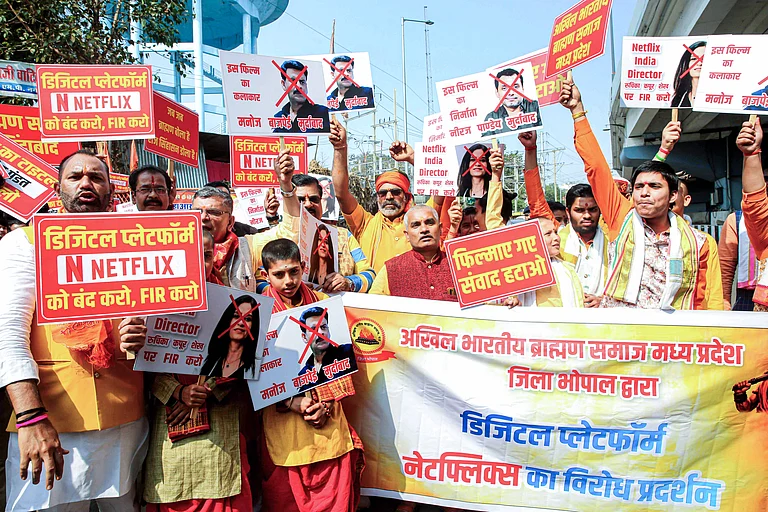
Vaazha 2 controversy has escalated after sections of the Ayurveda community objected to the film’s depiction. Concerns were raised that it misrepresents traditional practices and could mislead audiences. The Ayurveda Medical Association of India has reportedly issued a legal notice, seeking removal of specific scenes.



Responding to this, it was alleged by Philips that attempts are being made to suppress evidence-based concerns. He criticised the move and urged filmmakers not to dilute the narrative under pressure, describing the film as “public health activism” that encourages awareness.
The film, meanwhile, continues to perform well commercially even as the debate around its message grows louder, bringing into focus a larger question about how cinema intersects with science and belief systems.