Telangana reported 16 heatwave deaths as officials intensified relief measures across affected districts.
The IMD issued heatwave alerts for parts of Jharkhand while forecasting rain and thunderstorms till May 29.
Doctors in Delhi-NCR reported rising cases of dehydration, migraines, eye irritation and heat-related neurological symptoms.
Heatwave conditions persisted across parts of India on Saturday, with Telangana reporting 16 deaths this summer, Jharkhand facing a mix of heatwave and thunderstorm alerts, and doctors warning that prolonged exposure to high temperatures is affecting neurological and eye health.
The developments came as the IMD issued fresh warnings for Jharkhand, Telangana stepped up heat-relief measures, and hospitals in Delhi-NCR reported a rise in patients with dehydration-linked headaches, dizziness, migraine flare-ups, eye irritation and other heat-related complaints, according to PTI.
What is the IMD forcast for Jharkhand?
In Jharkhand, the IMD issued a heatwave alert for Garhwa, Palamu and Chatra districts for Monday, while forecasting light to moderate rain across several parts of the state over the next six days beginning May 24. An ‘orange’ alert was issued for rain in north-eastern and some central districts, especially Dhanbad, for Sunday.
PTI reported that light to moderate rainfall accompanied by thunderstorms, lightning and gusty winds of 40-50 kmph is likely across the state from May 24 to 29. Thirteen districts in the north-eastern and adjoining central parts are likely to receive rainfall between May 24 and 25, while 17 districts are expected to receive rain with thunderstorms, lightning and gusty winds on May 25 and 26.





Between May 26 and 29, isolated thundershowers and lightning are expected in several parts of the state.
“Partly cloudy conditions are likely to prevail, with a possibility of light to moderate rainfall at some places in the state. There will be no significant change in the maximum temperature over the next five days,” IMD Ranchi Deputy Director Abhishek Anand said.
“We have issued an ‘orange’ alert for seven north-eastern districts for Sunday, and for Monday, a heatwave alert has been sounded for three north-western districts. The wind speed in these districts will be up to 50 to 60 kmph, while a ‘yellow’ alert was issued for the remaining areas,” he said.
In the past 24 hours, Kaliasol in Dhanbad district recorded the highest rainfall at 40.2 mm, followed by Amrapara in Pakur at 16 mm. The highest temperature was recorded at Daltonganj in Palamu district at 44.4 degrees Celsius, followed by Bokaro Thermal at 41.5 degrees Celsius and Sarikela at 41 degrees Celsius. Ranchi recorded 39.2 degrees Celsius.
According to PTI, four deaths were recorded in Jayashankar Bhupalpally, three each in Warangal Urban, Karimnagar and Nizamabad, and one each in Jogulamba Gadwal, Ranga Reddy and Suryapet. The government will provide an ex-gratia of Rs 4 lakh each to the families of the deceased.
Reddy directed officials to identify villages recording very high temperatures and send heat alerts through media, social media and other channels. He said drinking water, butter milk and ORS packets should be made available at bus stations, markets, major roads and places where large numbers of workers are present.

He asked officials to take steps to prevent loss of life due to heat and urged senior citizens, pregnant women, children and people with health conditions not to venture out between 11 am and 4 pm. District Collectors were instructed to specially monitor heatwave conditions, while government employees from mandal to village level were asked to remain on the field as part of heat-relief measures.
The minister also said the administration should arrange drinking water for animals and birds in villages. Citing Met department reports, he said Karimnagar, Peddpally, Bhupalpally, Mulugu, Khammam, Nalgonda, Suryapet, Mahabubnagar, Hyderabad and Ranga Reddy districts would witness severe heat conditions till May 26.
How is extreme heat affecting health?
According to PTI, Doctors have warned that extreme heat can affect not only physical health but also eye and neurological functioning, especially among children, senior citizens and people with pre-existing medical conditions.
Hospitals across Delhi-NCR are seeing more patients with heat-related ailments, including eye irritation, dehydration-induced headaches and heat-triggered neurological symptoms, doctors said.
“The ongoing heatwave is beginning to show an impact beyond routine heat-related illnesses, with a noticeable increase in neurological complaints in our OPD,” Dr Vinit Suri, Senior Consultant-Neurology, Indraprastha Apollo Hospital, Delhi, said.

“We have seen nearly a 20 per cent increase in OPD patients over the past few days, with more people coming in with symptoms such as severe headaches, dizziness, disorientation, fainting episodes, worsening of existing neurological conditions, and especially migraine flare-ups,” he said.
Dr Suri said heat exposure and prolonged exposure to bright sunlight can trigger migraines in some people. Extreme heat and dehydration can also affect blood flow to the brain, alter electrolyte balance and place stress on the nervous system, especially in vulnerable individuals.
Symptoms such as persistent confusion, slurred speech, unusual drowsiness, seizures or loss of consciousness should not be ignored, as they may indicate a serious neurological emergency and require immediate medical attention, he said.
Dr Sushma Sharma, Director, Neurology, Marengo Asia Hospitals, said people with migraine, epilepsy and other neurological disorders may face worsening symptoms during periods of extreme heat and poor sleep caused by hot nights and power cuts, reported PTI.
She advised people to avoid stepping out during peak afternoon hours whenever possible. If going outdoors is necessary, people should use umbrellas, sunglasses and head coverings. She also advised people to stay hydrated and consume natural electrolyte-rich drinks such as coconut water, buttermilk and fresh fruit juices.
Doctors also cautioned that eye health is often neglected during summer, even though heat increases the risk of irritation and infections.

Dr Neeraj Sanduja, Director at Viaan Eye and Retina Centre, said prolonged exposure to strong sunlight, hot winds, dust and dehydration can lead to dryness, irritation, redness and eye strain. He said many people also experience burning sensation, itching or watery eyes during summer, and doctors are seeing cases of dry eye syndrome, allergic conjunctivitis and corneal sunburns.
Dr Namrata Sharma, professor at the Dr R P Centre for Ophthalmic Sciences, Delhi, said continuous use of air-conditioners and increased screen time indoors are also adding to eye complaints, PTI reported.
“Dry indoor air from air-conditioners, combined with prolonged mobile and laptop use, reduces natural tear production and worsens eye dryness. People often ignore early symptoms such as redness, blurry vision and irritation, which can gradually become more serious if left untreated,” she said.
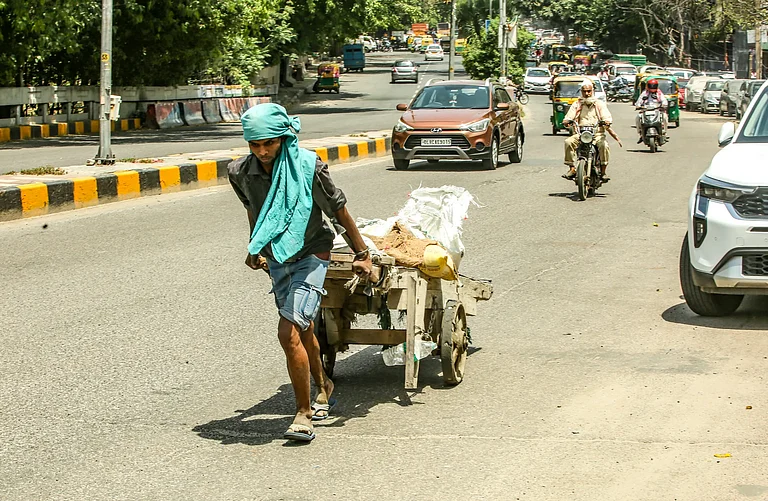
She said more cases of allergies, dry eye and infections are being seen because of faster evaporation of the tear film. She advised people to wear UV-protected goggles outdoors, wash their eyes with clean water after exposure to dust, avoid rubbing the eyes with unclean hands, use lubricating drops and maintain adequate hydration throughout the day.
(With inputs from PTI)