Geopolitical tensions in West Asia have disrupted LPG shipments through the Strait of Hormuz, a key global energy chokepoint, leading to a sharp decline in India’s LPG arrivals
India remains heavily dependent on imported LPG from Gulf countries, with around 60–70% of its imports transiting the Strait of Hormuz, while limited storage capacity—barely enough for two weeks of demand—makes the country vulnerable to prolonged disruptions.
The government has taken emergency steps to protect household supply, including directing refiners to maximise LPG output and restricting non-essential use, but the crisis highlights the need for diversified suppliers, larger reserves, and alternative cooking fuels to strengthen energy security.
As tensions mount in West Asia and crude prices climb, India is once again confronting a familiar vulnerability: the fragility of its cooking gas supply. Liquefied Petroleum Gas (LPG), the fuel that powers millions of Indian kitchens, has come under renewed scrutiny as disruptions around the Persian Gulf threaten shipments bound for South Asia.
For now, India has avoided an outright shortage. But the warning signs are visible. Oil marketing companies have begun quietly prioritising household LPG supply while rationing or carefully allocating cylinders to commercial consumers such as restaurants and caterers. The cautious approach reflects concerns that the current geopolitical turmoil could quickly escalate into a supply crunch.

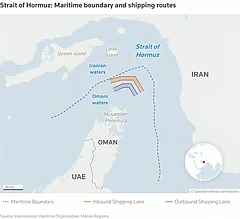


At the centre of the anxiety lies the Strait of Hormuz, one of the world’s most critical maritime chokepoints. Nearly 30 per cent of global LPG shipments typically pass through this narrow stretch of water linking the Persian Gulf to the Arabian Sea. Since early March, tanker movement through the corridor has slowed sharply after Iranian forces issued warnings to international vessels transiting the area. Freight costs have surged, insurance premiums have climbed, and shipments destined for India have been delayed.
The impact has been immediate. LPG arrivals from major suppliers such as Qatar and Saudi Arabia have dropped sharply, with weekly inflows falling by nearly 30 per cent in recent weeks which has exposed the precarious balance that underpins India’s LPG supply chain.
Compounding the problem is India’s limited ability to cushion such disruptions. The country’s LPG storage capacity stands at roughly 1.2 million tonnes, enough to cover barely two weeks of national demand. In an energy market increasingly shaped by geopolitical shocks, such a thin buffer leaves little margin for prolonged disruption.
A Supply Chain Anchored in the Gulf
India’s dependence on West Asia for cooking gas has deep historical and logistical roots. The country imports the bulk of its LPG from Gulf producers, particularly Saudi Arabia, Qatar and the United Arab Emirates. These suppliers dominate the trade not only because of their vast production capacity but also because of the relatively short shipping distances to Indian ports.
As a result, a significant share of India’s LPG imports—estimated at 60 to 70 per cent—passes through the Strait of Hormuz. Any disruption along this narrow maritime corridor therefore reverberates quickly through India’s energy supply chain.
In recent years, New Delhi has attempted to diversify its sources, occasionally importing LPG cargoes from the United States and other markets. Yet these alternatives remain limited. Longer shipping distances and higher freight costs mean the Gulf continues to serve as India’s primary supplier, leaving the country deeply exposed to geopolitical turbulence in West Asia.
Emergency Measures to Protect Domestic Supply
Faced with the risk of tightening supplies, the government has moved to shore up domestic availability. Authorities have invoked emergency provisions under the Essential Commodities Act, directing refiners to maximise LPG production and divert output toward household consumption.
Under the directive, refiners have been instructed to channel LPG exclusively into the domestic cooking gas system rather than diverting it toward petrochemical production. The government has also mandated that the additional supply be routed through the country’s state-run oil marketing companies—Indian Oil Corporation, Bharat Petroleum Corporation, and Hindustan Petroleum Corporation —to ensure uninterrupted distribution to households.

At the same time, India has sought to expand imports from outside the Gulf, including additional cargoes from the United States. However, these alternative shipments are unlikely to fully offset disruptions in supplies from West Asia, which remains the backbone of India’s LPG import network.
The Risk of Rising Prices
If tensions around the Strait of Hormuz persist, the economic consequences could extend beyond supply logistics. Higher freight rates, elevated insurance costs and reduced tanker availability are already pushing up the cost of transporting LPG across global markets.
For India, these pressures could eventually translate into higher domestic prices. The government has historically shielded households from volatility through subsidies and price controls. But sustained disruptions would either push retail prices upward or increase the fiscal burden required to keep cooking gas affordable.
Either way, prolonged instability in West Asia would have ripple effects across India’s economy, from household budgets to public finances.
Options for the Future
The current crisis has revived an old but unresolved debate in India’s energy policy: how to reduce the country’s vulnerability to external shocks.
Experts argue that strengthening resilience will require a multi-pronged strategy. Expanding LPG storage infrastructure would allow India to build larger buffers against supply disruptions. Developing strategic LPG reserves, similar to those maintained for crude oil, could provide an additional layer of security.
Diversifying suppliers beyond the Gulf will also be critical, even if it comes with higher costs. At the same time, India could ease pressure on LPG demand by accelerating the adoption of piped natural gas (PNG) in urban areas and encouraging alternative cooking solutions.
Ultimately, the lesson from the current turmoil is clear: the fuel that powers India’s kitchens is deeply entwined with the geopolitics of a volatile region. Unless India widens its supplier base and strengthens its domestic infrastructure, the country may find itself confronting similar crises each time tensions flare in the Gulf.