The Centre is considering linking implementation of women’s reservation to the 2011 Census, effectively separating it from the delimitation process.
Opposition parties have demanded detailed disclosures and broader consultations, expressing concern over both the process and political implications.
A proposal to increase Lok Sabha seats to 816, with 33 per cent seats reserved for women, may require significant constitutional amendments and has raised concerns among some states.
Opposition parties have come together to demand greater clarity, calling for an all-party meeting to discuss the amendments proposed to the Women’s Reservation Act by the union government. They have requested for the meeting be held after the ongoing Assembly elections conclude.
The proposed amendments are expected to link the implementation of the Act to the 2011 Census, and as a result separating women’s reservation from the delimitation exercise.
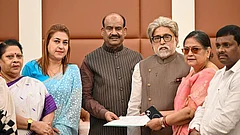
A letter was written to Parliamentary Affairs Minister Kiren Rijiju, requesting an all-party meeting, to be chaired by the PM, to deliberate on the roadmap for implementing the Nari Vandan Adhiniyam, 2023 (Women’s Reservation Bill), after a meeting of Opposition leaders on Monday evening at Congress President Mallikarjun Kharge’s office in Parliament.
The letter, written on Tuesday, March 24, was signed by several parties of the Opposition and was a follow-up to a letter written to the government on 16 March, emphasizing the need to circulate a detailed note on the proposed amendments before the meeting to enable a meaningful discussion.


The meeting, as proposed by the Opposition, is to take place after the assembly elections, which are to conclude on 29 April 2026.

The signatories to the letter include CPI(M), DMK, JKNC, NCP-SP, CPI-ML, and JMM. According to sources, the Centre is considering convening a special two-day session of Parliament to introduce amendments to the 2023 law, which mandates 33 per cent reservation for women in the Lok Sabha and State legislative assemblies.
This development follows discussions held by Union Home Minister Amit Shah with leaders of several regional parties, including the Biju Janata Dal, YSR Congress Party, NCP (SP), Shiv Sena (UBT) and AIMIM. However, major Opposition parties such as the Congress, Samajwadi Party, Trinamool Congress and Left parties did not attend. Leaders pointed to earlier correspondence from Kharge to Rijiju, in which an all-party meeting had already been requested.
The government also made efforts to contact major political parties such as Congress and the Samajwadi Party regarding the proposed amendments to the Constitution (106th Amendment) Act, 2023, also known as the Nari Shakti Vandan Adhiniyam. According to sources, the proposed amendment intends to delink the implementation of the reservation from the delimitation process to be carried out after the next census. Rijiju also contacted the leadership of both parties for talks.
According to Opposition leaders, while some parties were invited for individual meetings with the Home Minister, others were consulted in groups. There are also concerns regarding the potential impact of the delimitation process on the political representation of southern states. Under the proposed amendment, the Lok Sabha strength may increase from 543 to as many as 816 seats, out of which 273 seats are reserved for women.

The original Act provides that the implementation of women’s reservation will occur only after the first census is conducted after the enactment, as well as the delimitation exercise. The next delimitation will occur after the 2027 census, when constituencies will be redrawn according to new population figures.
If the proposal to increase the number of seats is accepted, then there will be a need to amend constitutional provisions that place a cap on the Lok Sabha’s (550 members) and State Assemblies’ (500 members) strength. In particular, Article 81 will need to be amended to increase the Lok Sabha’s strength to 816 members, while Article 170 will need to be amended to increase the size of State Assemblies. For example, the Uttar Pradesh Vidhan Sabha will increase from 403 members to more than 600 members.
Although there is wide support for women’s reservation, there are demands from the Congress and the Samajwadi Party to reserve seats for Other Backward Classes (OBCs) within the 33 per cent quota, as is the current provision for SCs and STs.
Sources indicated that the Opposition views the government’s move with caution, suspecting it may be an attempt to secure the backing of key parties before building wider consensus.
Following the 2024 Lok Sabha elections, the NDA’s strength has fallen below 300 seats. To pass a constitutional amendment in the Lok Sabha, 363 votes would be required if all 543 members are present and voting. Currently, the NDA has 293 members, compared to 353 in 2023, when the Bill was introduced during a special parliamentary session.
At that time, the government had not disclosed the legislative agenda in advance but was confident of securing the required two-thirds majority to pass the Bill.