Iranian state media has published what it claims are the draft contents of a 14-point US-Iran memorandum, though neither side has officially confirmed the details.
The reported terms include a permanent ceasefire, reopening of the Strait of Hormuz, sanctions relief and reconstruction assistance for Iran.
So far, only a limited set of measures — including a ceasefire framework and easing of maritime restrictions — have been publicly acknowledged by leaders involved in the talks.
As diplomatic efforts to end the US-Iran conflict gather pace, Iran's semi-official Mehr News Agency has published what it claims are the draft contents of a 14-point memorandum of understanding expected to form the basis of a broader agreement between Washington and Tehran.
Neither the United States nor Iran has officially confirmed the reported provisions, and the details should therefore be treated as claims by Iranian state media rather than established facts.

What The Reported Draft Contains
According to Mehr, the draft memorandum includes a permanent ceasefire across all fronts, including Lebanon, along with a US commitment not to interfere in Iran's internal affairs.
The reported document also calls for:
- Lifting of the US naval blockade within 30 days
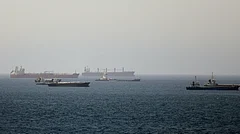
- Reopening of the Strait of Hormuz within 30 days under "Iranian arrangements"


- Withdrawal of US forces from Iran
- Removal of sanctions on Iranian oil and energy exports
- A US commitment not to impose new sanctions or increase troop deployments in the region
- Reaffirmation by Iran that it will not develop nuclear weapons
- Reconstruction assistance worth at least $300 billion from the US and its allies
Mehr further reported that final negotiations would not begin until at least half of Iran's frozen overseas funds are released, sanctions on Iranian oil exports are suspended and the naval blockade is lifted.
The report also claimed that any final agreement would ultimately be endorsed through a United Nations Security Council resolution.
However, none of these provisions have been independently verified, and neither Washington nor Tehran has publicly confirmed them.
What Has Been Confirmed So Far
The clearest publicly available information has come from statements by US President Donald Trump and Pakistan Prime Minister Shehbaz Sharif, whose government has been involved in mediation efforts.
Both leaders have confirmed that a ceasefire framework covering multiple theatres of conflict is under discussion, including provisions affecting military operations linked to Lebanon.
Sharif has said that a signing ceremony is expected to take place in Switzerland on June 19 and that technical-level negotiations are continuing ahead of the event. He also credited Qatar, Saudi Arabia and Turkiye for helping facilitate the talks.
Trump has separately stated that shipping through the Strait of Hormuz should resume without tolls or additional charges and confirmed that the United States has agreed to lift its naval blockade of Iranian ports.
Key Questions Remain
Despite growing optimism surrounding the negotiations, major questions remain unanswered.
Neither government has publicly confirmed the reported reconstruction package, sanctions relief measures, troop withdrawal commitments or the timeline for reopening the Strait of Hormuz.
The final shape of any agreement will likely depend on ongoing technical negotiations and whether both sides can bridge remaining differences over sanctions, security guarantees and regional military activity.
Until an official text is released, the reported 14-point memorandum remains an unverified draft rather than a confirmed agreement.