



Iran says there has been no progress on reviving the June interim deal
Tehran rejects extending the agreement’s 60-day period, saying there is nothing to extend
The deadlock comes as Iran keeps the Strait of Hormuz largely closed
Iran and the United States have made no progress towards reviving an interim agreement aimed at ending their conflict, a senior Iranian source told Reuters, as tensions remain high over the Strait of Hormuz.
The June agreement called for an "immediate and permanent termination of military operations on all fronts" and provided 60 days for the two sides to reach a final deal covering Iran's nuclear programme and the lifting of US sanctions.
The arrangement broke down within weeks. US President Donald Trump declared it "over" last week, while Iran's Foreign Ministry later described it as "suspended.”.
The Iranian source told Reuters that one issue being discussed through mediators was a possible US return to the interim agreement and a timeline for implementing its commitments. "There has been absolutely no progress on this issue," the source said.
Iran has also rejected the possibility of simply extending the original 60-day period. "There is no talk of an extension because, from Iran's perspective, there is no period that began and therefore nothing to extend," the source told Reuters.



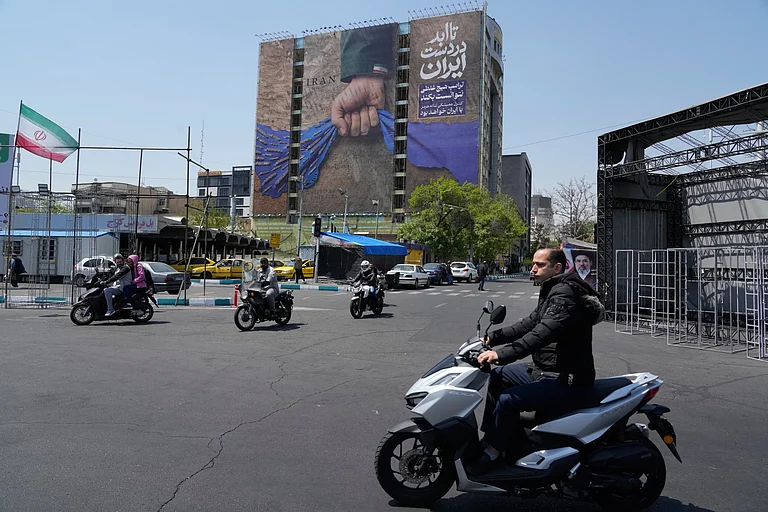
Hormuz Standoff
The diplomatic deadlock comes as Iran and the US remain at odds over the Strait of Hormuz, where commercial traffic has fallen sharply.
US President Donald Trump has claimed that the US has "100%" control of the waterway and has demanded that Iran pay reparations for deaths and injuries.
Iran has linked any reopening of the Strait to a broader settlement, including an end to the US naval blockade and sanctions, withdrawal of American forces from the region and the release of frozen Iranian assets.
Traffic through the waterway has dropped dramatically since the conflict began. Outlook India reported that only eight vessels crossed the Strait on Tuesday, compared with roughly 130 to 140 before the war.

Longer Conflict?
The lack of progress also comes amid warnings from Iranian officials that the confrontation could continue for years.
IRGC General Mohammad Reza Naqdi recently said the conflict could continue until the end of Trump's presidency in 2029, arguing that a prolonged confrontation would give Iran greater military experience and strengthen its deterrence, Outlook India reported.
"The longer this war lasts, the more experience we gain," Naqdi said.
The stalled diplomacy, competing demands over Hormuz and warnings of a prolonged conflict point to widening differences between Tehran and Washington over any possible return to a ceasefire or broader agreement.















