The pilot-in-command of Air India’s Phuket-Delhi flight, which experienced a sudden 300-foot altitude variation on August 4, tested positive for marijuana in a confirmatory drug test.
The pilot told AAIB that he had been taking medication over sleep difficulties as the investigation into the incident continued.
The government has asked Air India to take responsibility for safety oversight, while AAIB continues examining the technical, operational, medical and human factors involved.
Air India’s Pilot in Command of the Phuket-Delhi flight which plunged 300ft on August 4, was on medication over ‘sleep difficulty’. This comes after the Pilot in Command tested 'positive for marijuana' in a confirmatory drug test.
The PIC told Aircraft Accident Investigation Bureau (AAIB) about the issues as the investigations proceeded. AAIB had said it is engaged in the systematic collection, preservation and examination of all relevant technical, operational, medical and human factor evidence related to the Air India Phuket-Delhi flight incident.

Govt Asks Air India To Take Responsibility
The government has warned Air India to take responsibility for ensuring safety and improve its oversight operation.
A source told The Times Of India, “The final report of AI’s last June Ahmedabad crash in which 260 people lost their lives is not yet out and then something like this happens with Air India. Govt has taken a very serious view of what happened on AI 2379 and heads will roll. Aviation secretary Samir Sinha has told the AI brass in clear terms that the airline needs to take responsibility and that people found guilty by the probe will not be spared.”

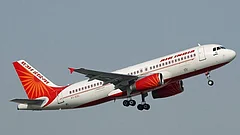


Officials of France's Bureau d’Enquetes et d’Analyses pour la securite de l’aviation civile (BEA) and technical representatives of Airbus are providing the necessary technical assistance to AAIB.
What Happened On Air India Phuket-Delhi Flight?
On August 4, an Air India Airbus A320 aircraft, registration VT-EXO, operating the flight AI 2379 from Phuket to Delhi, experienced a sudden altitude variation of around 300 feet during cruise. The plane later stabilised and landed safely in the national capital.
In the incident, injuries were reported to 20 passengers and 4 cabin crew members, the Aircraft Accident Investigation Bureau (AAIB) said in a statement on Tuesday. There were 137 passengers, including 3 infants, and 8 crew members onboard the plane.
According to the probe agency, the sole objective of the investigation is to determine the circumstances and contributing factors relating to the occurrence and to identify appropriate safety measures to prevent recurrence.

The report stated that the laboratory findings; Air India immediately removed both pilots from active duty while the formal investigation and testing protocols conclude. The emergency has prompted a comprehensive aviation safety inquiry. Officials are currently scrutinising both the abrupt altitude loss and the pilot-in-command's operational fitness.
The flight deck witnessed chaotic scenes. When the negative-G plunge occurred, the pilot-in-command was reportedly standing and leaning behind the co-pilot's seat. The sudden altitude drop caused him and objects in the cockpit to float.