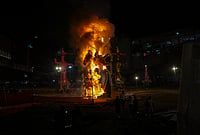
Hezbollah warned it remains on alert despite the ceasefire, citing risk of Israeli violations.
A 10-day truce is largely holding, but uncertainty persists over both sides’ long-term commitment.
Displaced civilians are returning to damaged areas, though many fear the ceasefire may not last.
A fragile 10-day ceasefire between Israel and Hezbollah held through Friday, raising cautious hopes of a pause in weeks of intense conflict even as both sides remained on edge.
Hezbollah, however, warned that it was keeping its “finger on the trigger” amid fears of Israeli violations. The Iran-backed group said it had carried out over 2,100 military operations during the conflict and warned its fighters remained ready to respond to any breach of the truce.

Displaced families began returning to southern Lebanon and Beirut’s southern suburbs, areas heavily pounded during the fighting. In places like Qasmiyeh, makeshift crossings replaced destroyed bridges as residents attempted to reach their homes.
Many, however, were hesitant to stay, as per agency reports. War-damaged neighbourhoods, lingering destruction, and uncertainty over the ceasefire’s durability have made a full return difficult. “People are scared… a full return is difficult now,” one resident said after inspecting his home.
As per AFP reports, celebratory gunfire rang out in Beirut as the truce came into effect, but the situation remains volatile. It is unclear whether Israel will fully halt strikes or how long Hezbollah will adhere to a deal it was not directly involved in negotiating.


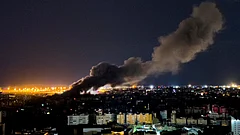
The ceasefire is also seen as a potential opening for broader diplomacy linked to the wider regional conflict involving Iran, though its durability remains uncertain.