New pilot duty-time rules slashed IndiGo’s crew availability, triggering over 500 cancellations in just two days.
IndiGo’s heavy night operations, lean staffing and lack of prep worsened the crisis.
Frontline staff raised safety and treatment concerns as DGCA eased norms to stabilise flights.
India's largest airline, IndiGo, has faced a massive cancellation fiasco in its operations over the last four days, with over 500 flights cancelled in the last two days. Airports across the nation have witnessed chaotic scenes with passengers camping out in airports due to delays that have gone up to 12 hours.
Videos and tweets of angered passengers complaining about delays and misplaced baggage have taken the internet by storm as IndiGo grapples with crew shortages and further grounding of domestic flights. Amid this chaos, a massive price surge in the competitor airline tickets has been reported.
The unfolding of this operational crisis has revealed how IndiGo’s methods of utilisation and its monopoly over domestic Indian flights have contributed to the crisis.
The New Norms
Experts have deduced that crew shortages were the main reason behind the massive cancellations. These shortages came to be an issue when the Flight Duty Time Limitation Norms (FDTL), a new regulation on pilot rosters, rolled out this year.
Two major changes were brought about via the FDTL regulation:
The weekly rest period for pilots has been increased to 48 hours from 36.
The number of night landings a pilot can perform has been reduced from six to two in a specified period. Airlines that rely heavily on night-time operations have been significantly affected.
These strict rules came into effect on November 1, thus limiting the utilisation of pilots who now had mandatory rest periods to improve safety by reducing crew fatigue.


Why IndiGo Was Impacted
IndiGo is the primary airline that has been significantly impacted by these new regulations, more so than any other airline.
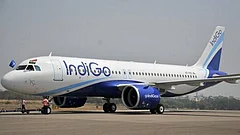
IndiGo holds a monopoly over domestic Indian flights with over 2200 flights per day. Air India, which is second to IndiGo in the aviation industry, flies just over 600 flights.
IndiGo can take on more than double the passenger count of its competitors due to its high flight and crew utilisation rates. Additionally, the airline operates more high-volume flights at night than the others. IndiGo connects more than 90 domestic and 45 foreign destinations with more than 2,300 daily flights using a fleet of more than 400 aircraft. Moreover, it uses a lean staffing strategy to do this.

With the new FDTL norms, IndiGo found its pilot roster to be incompatible with the regulations.
The crew that had been used to operating multiple flights were now benched under the mandatory rest hours. Thus, creating a situation of a crew shortage with IndiGo finding itself having more aircraft than available pilots.
Lokesh Sharma, a senior Aerospace and Defence expert, said, “Indigo covers almost 70 per cent of the aviation market share. This is why the impact of these regulations is visible specifically only for IndiGo. Due to the legal time limits, pilots who had been previously utilised extensively are not allowed to fly.”
He added, “ IndiGo did not plan adaptation to the new regulations. They thought that this would come gradually. Thus, when DGCA implemented the rules stringently this November, IndiGo was forced to comply without any plan prepared to continue their operations smoothly.”
Thus, with an increased number of flyers towards the year-end and the crew shortages, cancellations and delays spread swiftly. If flight crews exceeded their duty hour limits due to delays and the airline must rush to find a replacement crew, the problem gets worse.
IndiGo was forced to cancel flights as it could not continue its operations as it had before the FDTL rules.
IndiGo Did Not Prepare
Initially, the FDTL norms were to roll out in June 2024. However, due to pushback from airlines such as IndiGo, the implementation was delayed. The airline has argued that they need more time to prepare and increase crew strength for these changes and requested a step-by-step implementation of the rules.
The FDTL rules were implemented this year after the Delhi High Court ordered the DGCA.
Taking note of the previous pushback, the DGCA rolled out the regulation in two phases that took place in July and November.
While IndiGo managed the first phase—which included longer weekly rest periods for crew—without much impact, the second phase, requiring curtailed crew utilisation levels for the ‘red eye’ flights, has hit IndiGo a lot harder than other carriers. Under the new FDTL rules, permitted night landings for flight crew are now restricted to two, from six earlier.
Despite being aware of the impending implementation of the regulations since 2024, IndiGo did not prepare to strengthen its crew.
“IndiGo underestimated the operational impact”, commented Sharma, “they knew it from 2024 that something of this sort was going to happen. Now, the impact comes at the end of the year because of the holiday season footfall, typically around this time, crew members and even pilots put in leaves, and then IndiGo’s already high utilisation rates all became factors that brought out that IndiGo did not cope with the new FDTL.”
Sharma adds that the claims of DGCA rushing to implement the new regulations after the tragedy of the Air India crash could not be a factor, as the DGCA had made previous attempts to roll out the FDTL and did it in a step-by-step manner.
Frontline Crew Raise Treatment Issues
In an open letter from the IndiGo pilots, crew and ground staff, the frontline employees highlighted that the tensions due to the flight cancellation and delays have caused multiple incidents of ill-treatment of frontline staff.
The letter claims, “The recent mass disruptions were not just an operational failure — they were a failure of planning and frontline protection. Across airports, it was employees who faced passenger anger, public blame, and personal abuse, while strategic decisions remained distant from their consequences.”
Acknowledging that poor planning of IndiGo to implement the new FDTL regulations led to the operational collapse, the letter said, “ The timing, scale, and pattern of cancellations aligned exactly with the new regulatory deadline, making it impossible to ignore what is visible to everyone on the ground:
Operational collapse was allowed to escalate in a way that exerted pressure on the government for extension/relaxation. Whether intentional or tolerated, the outcome was the same: frontline staff became leverage in a regulatory standoff.”
It stressed that the frontline staff who are taking the brunt of public anger are not to blame as they did not play any roles in designing the roster, the hiring freeze or play any part in causing the delays.
The frontline staff put forth a request asking for public ownership of planning failure, clear exoneration of frontline staff, Transparency on whether regulatory pressure formed part of the strategy and assurance that this crisis will never be repeated.
The Way Forward
According to Sharma, it will take at least ten to 15 days for normal operations to return to IndiGo. He adds that the airline might get a breather soon, as the public will themselves start cancelling their flights, giving them space to update the pilot rosters. Sharma also indicated that since this crisis has escalated to unprecedented levels, pilot and crew leave might be cancelled to temporarily solve the crew shortage crisis.
On similar lines, the DGCA, to mitigate the crisis, has withdrawn its instructions to all operators regarding the weekly rest for crew members. The DGCA notification reads: “In view of the ongoing operational disruptions and representations received from various airlines regarding the need to ensure continuity and stability of operations…the instruction contained in the referenced paragraph that no leave shall be substituted for weekly rest is hereby withdrawn with immediate effect.”
Meanwhile, IndiGo has cancelled all its departing domestic flights from the Delhi airport till midnight as the airline continues to grapple with significant operational disruptions.
"IndiGo domestic flights departing from Delhi Airport on 5th December 2025 are cancelled till midnight today (till 23:59 hours)," Delhi International Airport Ltd (DIAL) said in a post on X.
"We express our profound apologies to all our valued customers and stakeholders who have been significantly impacted by these unforeseen events," it said.
This comes after IndiGo cancelled all departing flights from Chennai airport till 6 pm on Friday, according to sources.