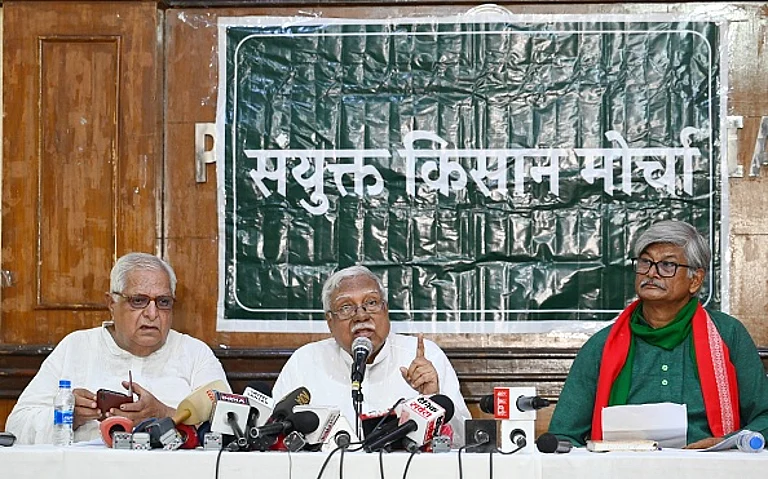
Dr. John Brittas and other INDIA bloc MPs accused the new labour codes of dismantling wage, job-security and paving the way for Corporate Jungle Raj.
Opposition parties staged black-badge protests at Parliament gates on December 3
CITU, AITUC and others said the codes ease hire-and-fire, restrict strikes, and centralise power with employers—deepening workers’ fears of an expanding Corporate Jungle Raj.
Dr. John Brittas, CMIP MP from Kerala, raised concerns about new labour codes in the Rajya Sabha, during zero hour on December 4. “This labour codes are snatching aways workers and unions rights to protest for their welfare, and we’ll (INDIA bloc) will intensify nationwide protest against it,” said Brittas.

Brittas also reminded the historic farmers agitation against three farm laws. Sitting on back bench RJD MP Manojkumar Jha actively supported Dr. Brittas for his stance on enforcement of new labour codes. “We will not tolerate Corporate Jungle Raj”, said DR. Brittas. Rajya Sabha Chair C.P. Radhakrishnan refused to take any slogans on record except the issue that was mentioned in Zero hour.

Opposition MPs from Congress, TMC, SP, DMK, left parties gathered at the Parliament gates wearing black badges and raising slogans against new labour codes on December 3.



INDIA Bloc termed new labour codes as “anti-worker, pro-corporate” reforms. Senior parliamentarian Mallikarjun Kharge and other INDIA bloc MPs argued that the consolidation of 29 labour laws into four codes dilutes safeguards on minimum wages, job security, trade-union rights and social protections built over decades.
Opposition also accused the government of pushing the reforms without consensus, consultation or adequate parliamentary scrutiny. INDIA block protested with carrying a big board written ‘Corporate Jungle Raj’ on it.
INDIA Bloc regional leaders held demonstrations were across Delhi, Maharashtra, Karnataka, Tamil Nadu, West Bengal and several industrial centres, where workers marched, blocked roads, and held sit-ins demanding an immediate rollback of the laws.
Trade unions CITU, AITUC and others echoed similar concerns, stating that the new norms make it easier for companies to hire on fixed-term contracts, relax thresholds for layoffs, impose stringent conditions on strikes, and centralise decision-making in ways that weaken collective bargaining and Unionisation.