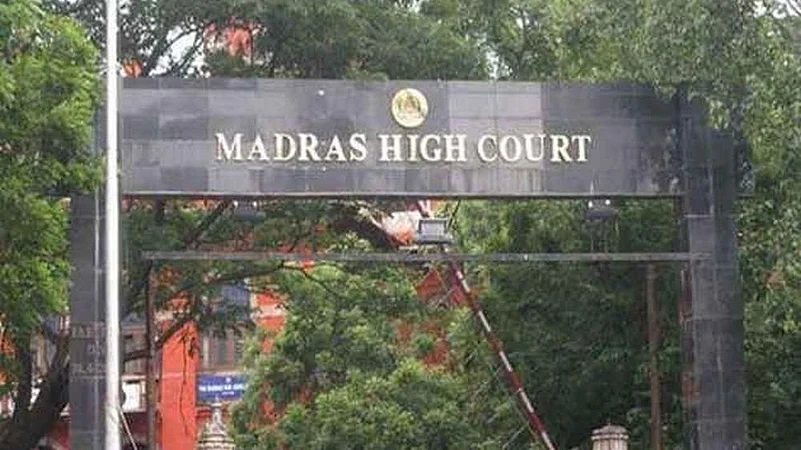
The Madras High Court has ruled that workers employed under the Mahatma Gandhi National Rural Employment Guarantee Act (MGNREGA) cannot claim permanent government jobs merely because they have worked under the scheme for many years. The court said MGNREGA is a welfare programme designed to provide temporary employment and not a pathway into regular government service.
The judgment came while hearing a petition filed by a worker who sought regularisation of his services after years of engagement under the rural employment scheme.

What The Court Ruled
The court dismissed the plea seeking permanent employment, observing that workers engaged under MGNREGA are not recruited through the procedures prescribed for government appointments. Since the scheme is intended to provide wage employment to rural households rather than create government posts, participants cannot seek absorption into the regular government workforce.
The bench noted that granting such requests would effectively bypass established recruitment rules and undermine the principles governing public employment.
Why Long Service Doesn't Automatically Create Job Rights
A key aspect of the ruling was the court's observation that the duration of service alone does not create a legal right to regularisation.
The petitioner argued that years of work under the scheme should entitle him to permanent status. However, the court said continued engagement in a welfare programme cannot automatically convert a temporary arrangement into a permanent government position.
The judges emphasised that public employment must be filled through transparent recruitment processes that ensure equal opportunity for all eligible candidates. Allowing regularisation solely on the basis of long service would be unfair to other aspirants waiting to compete for government jobs through proper channels.





The Difference Between Welfare Employment And Public Service
The judgment highlighted the fundamental distinction between welfare-based employment schemes and regular government service.
MGNREGA was enacted to provide livelihood support and guarantee a minimum number of workdays to rural households facing economic distress. The scheme aims to enhance income security and create rural assets rather than establish permanent government employment.
Government service, on the other hand, involves appointments to sanctioned posts through specific recruitment procedures, examinations and eligibility criteria. The court said the objectives and legal frameworks governing the two are entirely different and should not be conflated.
Why The Court Wants Rural Workers To Be Linked With Agriculture
The High Court also expressed concern about the long-term impact of dependence on welfare schemes. It observed that rural workers should remain connected to agriculture and allied activities, which continue to be the backbone of rural livelihoods.
According to the court, employment guarantee programmes are intended to supplement incomes during periods of hardship and should not replace traditional sources of livelihood. Strengthening agriculture and creating sustainable economic opportunities in villages would provide greater long-term benefits to rural communities than reliance on temporary wage employment alone.
What This Means For Millions Of Scheme Workers Across India
The ruling is likely to have implications for millions of workers associated with MGNREGA across the country. It reinforces the legal position that participation in the scheme does not create an entitlement to government jobs or regularisation.
While workers will continue to receive the protections and benefits available under MGNREGA, the judgment makes it clear that the programme remains a social welfare initiative rather than a recruitment mechanism for public service. For those seeking government employment, the court indicated that appointments must continue to be made through established constitutional and statutory procedures.