Himachal Pradesh snowfall alert: IMD predicts snowfall and rain on December 4-5 in the high and mid-hills; western disturbance to end prolonged dry spell.
Temperature in Himachal Pradesh plunges; Tabo records -7.3°C, Kukumseri at -5.7°C. Minimums expected to drop further by 2-5°C.
Himachal weather report: Dense fog alert for Bilaspur and Mandi; visibility reduced to 150 meters. Plains and low hills are colder than Shimla.
Himachal weather forecast: Dry weather till December 3; tourist rush expected as Manali, Lahaul-Spiti, and Kinnaur brace for fresh snow.
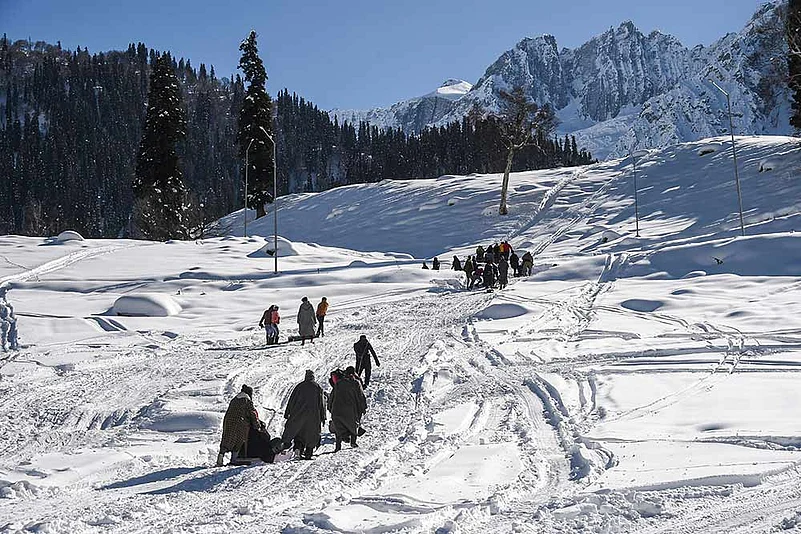
The snowfall alert in Himachal Pradesh brings a much-awaited meteorological shift, promising relief from a prolonged dry spell that has gripped the state since November. The India Meteorological Department (IMD) has issued a Himachal weather alert, forecasting fresh snowfall and rainfall across the high and mid-hills on December 4 and 5, triggered by an approaching active western disturbance. This weather system is expected to blanket popular tourist destinations and high-altitude regions in white, while bringing rain to lower elevations.
Currently, the temperature in Himachal Pradesh has taken a sharp nosedive, with tribal areas like Lahaul-Spiti and Kinnaur already reeling under sub-zero conditions. The cold wave has intensified, with plains surprisingly recording lower minimum temperatures than some hill stations, creating a unique winter anomaly.
Snowfall Prediction and Regional Impact
The Himachal Pradesh weather update for December 4 and 5 forecasts critical precipitation that is expected to break the prolonged dry spell. High-altitude regions in Lahaul-Spiti, Kinnaur, Chamba, and the upper reaches of Kullu and Shimla are bracing for light to moderate snowfall, which is likely to disrupt traffic on major passes like Rohtang and potentially affect the Manali-Leh highway. Meanwhile, mid-hill areas such as Manali town, upper Shimla, and Dharamshala may experience sleet or light snow, enhancing the winter appeal for tourists.




Beyond tourism, this wet spell is vital for the state's agriculture, particularly apple orchards, which have been stressed by a severe 92% rainfall deficit in November. Farmers are hopeful that the incoming moisture will provide essential hydration to the soil, securing the foundation for the upcoming crop season.

Temperature Drop and Cold Wave
Winter's grip has tightened significantly across the state, with tribal areas experiencing bone-chilling conditions. Tabo in Lahaul-Spiti shivered at -7.3°C, the lowest recorded temperature in the region, followed closely by Kukumseri at -5.7°C and Kalpa at 0.4°C. Interestingly, the Himachal weather report reveals a meteorological anomaly where the plains and lower hills are currently colder at night than the capital, Shimla. While Shimla recorded a minimum of around 7-8°C, towns like Sundernagar (3.2°C), Solan (3.5°C), and Mandi (4.6°C) saw significantly lower readings due to temperature inversion and dry cold winds. The IMD forecasts that minimum temperatures will plummet further by 2-5°C in the coming days, accompanied by a 2-3°C decline in maximum temperatures, intensifying the cold wave across the state.

Fog Warning and Advisory
Alongside the snow alert, a dense fog warning has been issued for the plains and reservoir areas, creating hazardous travel conditions. Bilaspur and Mandi districts are particularly affected, with thick fog reducing visibility to as low as 150 meters in Bilaspur and 800 meters in Mandi's Balh Valley. Motorists are advised to exercise extreme caution during early morning and late evening hours to avoid accidents. In anticipation of the weather shift, the administration has put disaster management teams on alert and stationed snow-clearing machinery at strategic points to ensure that road connectivity, especially on key highways, remains operational during the snowfall.