Rajasthan cold wave alert issued for December 3-4; severe winter conditions to grip Shekhawati region, Bikaner, and Jaipur divisions.
IMD weather alert for Rajasthan warns of minimum temperatures dropping to 4-5°C in Sikar and Jhunjhunu; a yellow alert has been declared.
Rajasthan temperature in December has already dipped, with Lunkaransar recording the state's lowest at 5.9°C.
Weather in Rajasthan turns dry and icy as northern winds replace western disturbance effects; frost likely in open fields.
Rajasthan cold wave alert signals the onset of severe winter across the desert state, with meteorological conditions shifting drastically as December begins. After a brief spell of relief due to a western disturbance, the weather pattern is now dominated by dry, icy winds blowing from the snow-clad Himalayas. The India Meteorological Department (IMD) has issued a specific yellow alert for the Shekhawati region, particularly Sikar and Jhunjhunu districts, predicting cold wave conditions starting December 3.
Residents are witnessing a sharp decline in mercury levels, with night temperatures already plunging into single digits across several cities. The weather in Rajasthan is set to become increasingly harsh over the next few days, with clear skies facilitating rapid heat loss after sunset, leading to biting cold mornings and evenings.
Temperature Plummets and Regional Impact
The Rajasthan December weather forecast indicates a widespread drop in minimum temperatures by 2-4°C over the coming week. The impact is most severe in the northern and western belts.
Coldest Spots: Lunkaransar near Bikaner has already recorded the season's lowest at 5.9°C. Sikar followed closely with a minimum of 9°C, marking a significant drop of 2.5 degrees in just 24 hours.
City-wise Updates: In Jaipur, the minimum temperature hovers around 13.3°C but is expected to dip further. Other cities like Alwar (9.5°C), Pilani (around 10°C), and Sriganganagar (7.3°C) are also feeling the intense chill.
Daytime Chill: Even daytime maximum temperatures are struggling to cross the 26°C mark in many areas, with weak sunlight providing little respite from the cold winds.


IMD Alert and Future Forecast
The IMD weather alert for Rajasthan highlights that the respite provided by the recent cloud cover is over. With the western disturbance moving away, the path is clear for northerly winds to sweep across the plains.
Yellow Alert: A formal yellow alert is in place for Sikar and Jhunjhunu for December 3 and 4. The minimum temperature in these areas is predicted to fall to a bone-chilling 4-5°C, potentially causing ground frost that could damage standing crops.
Widespread Effect: The cold wave is not limited to Shekhawati; Bikaner, Jodhpur, and Jaipur divisions will also experience enhanced winter conditions. The meteorological department has advised farmers to take protective measures for their crops and urged the public, especially the elderly and children, to avoid early morning exposure.

Weather Outlook for the Week
The forecast for the first week of December suggests dry weather across the state, but with intensifying cold. Rajasthan temperature in December typically averages between a comfortable high of 25°C and a low of 9-10°C, but this year's early onset of cold waves suggests a colder-than-usual month.
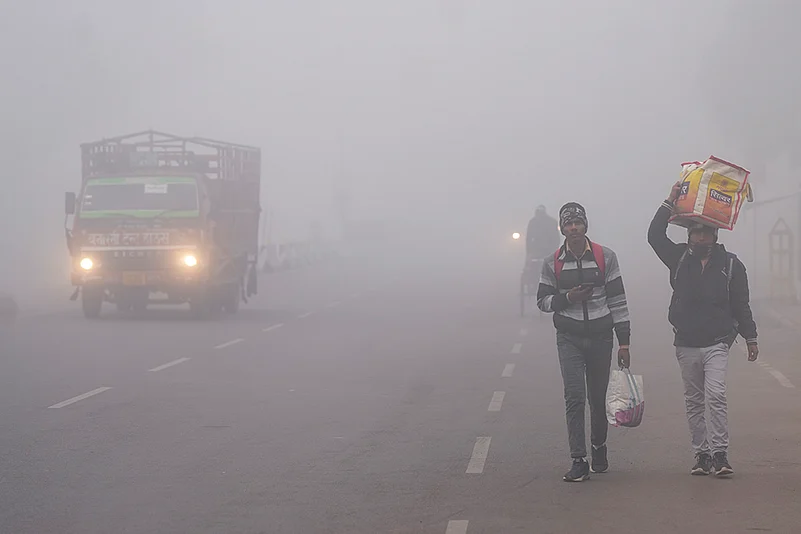
Fog Warning: Light to moderate fog has been observed in parts of Sikar and surrounding areas, reducing visibility in the early hours. This trend is likely to continue, adding to the "galan" (severe chill) factor.
No Rain: Unlike the drizzle seen in late November, the coming days will remain dry, which paradoxically increases the feeling of cold due to the lack of humidity to trap heat.