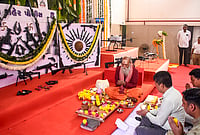
This event, which marks the transition of the Sun into the zodiac sign Capricorn (Makara), is considered to be one of the most auspicious and extensively celebrated celebrations in India. Makar Sankranti follows the solar cycle rather than the lunar calendar, which makes its date fairly stable year after year, in contrast to most Hindu festivals. The event heralds the end of night and the beginning of longer days, heralds enlightenment and prosperity.
Makar Sankranti 2026: Date and Time
Makar Sankranti will be commemorated on Wednesday, January 14, 2026.
Makara Sankranti Punya Kaal: Morning to afternoon (auspicious interval for rites)
Sun’s Transit into Capricorn: Occurs on 14 January 2026
Devotees prefer performing rituals during the Punya Kaal, as it is believed that actions done during this time bring multiplied spiritual merit.
Astrological and Spiritual Significance:
Makar Sankranti marks the beginning of Uttarayan, the Sun’s northward journey. According to Hindu philosophy, Uttarayan is considered a highly favourable phase for spiritual progress, knowledge, and positive transformation. It is believed that deities awaken during this period, making prayers more effective.
The Sun represents soul, vitality, authority, and consciousness. Its entry into Capricorn, ruled by Saturn, blends discipline with purpose. This transition encourages responsibility, self-control, and long-term planning. Spiritually, it is a time to move away from ignorance and toward wisdom and self-realisation.
The festival also holds importance in the Bhagavad Gita, where Lord Krishna mentions Uttarayan as a sacred phase for attaining liberation, enhancing its spiritual depth.



Religious Importance and Mythological Beliefs:
Makar Sankranti is linked with giving to those in need, cleanliness, and thankfulness. Scriptures say that giving away food, clothing, sesame seeds, sugar, and grains on this day helps get rid of past karmas. People think that bathing in a holy water body, like the Ganga, the Yamuna, the Godavari, or any other sacred river, can give you spiritual credit and take away your sins.
The festival also honours Surya Dev (Sun God). Devotees express gratitude for sunlight, harvest, and life energy, acknowledging the Sun as the source of growth and nourishment.

Rituals and Traditions of Makar Sankranti:
Holy Bath (Snan):
Makar Sankranti is linked with giving to those in need, cleanliness, and thankfulness. Scriptures say that giving away food, clothing, sesame seeds, sugar, and grains on this day helps get rid of past karmas. People think that bathing in a holy water body, like the Ganga, the Yamuna, the Godavari, or any other sacred river, can give you spiritual credit and take away your sins.
Surya Puja:
Devotees offer water (Arghya) to the rising Sun while chanting Surya mantras. This ritual enhances vitality, confidence, and spiritual clarity.
Charity and Donations (Daan):
Distribution of necessities such as jaggery (gur), clothes, blankets, rice, cereals, and sesame seeds (til) is a central tenet of this faith. Giving to charity on this day is said to bring good fortune and the removal of obstacles.
Special Foods:
Sesame and jaggery-based foods are prepared, symbolising warmth, unity, and sweetness in relationships. These foods also help balance the body during winter.
Spiritual Practices:
Spiritual energies are usually high on this day. It is a good day to fast, meditate, chant mantras, and read sacred texts.
Regional Celebrations Across India:
India has many different ways of celebrating Makar Sankranti:
Lohri (Punjab): Celebrated a day earlier with fires, songs, and dancing to mark the start of the harvest season.
Pongal (Tamil Nadu): A four-day harvest festival thanking the Sun God, cattle, and nature.
Uttarayan (Gujarat): Famous for vibrant kite-flying festivals symbolising freedom and joy.
Magh Bihu (Assam): Celebrates harvest with community feasts and traditional rituals.
Khichdi Festival (Uttar Pradesh): Special offerings and charity of khichdi mark the occasion.
Despite regional differences, the essence remains gratitude, renewal, and hope.
How Makar Sankranti Supports Karma and Positivity:
Many people believe that Makar Sankranti is the greatest time to make things right. Many people believe that being kind, disciplined, and dedicated today will create a positive long-term impact. Karma is bad when you help old people, feed animals, or give food to poor people, and good when you do those things.
On a spiritual level, this day is a call to release your ego, your anger, and the weight of your past. Capricorn's focused energy helps you set goals that are possible to reach and make sure that what you do is in keeping with your ideals.
Simple Remedies for Makar Sankranti 2026:
To foster faith and clarity, provide the Sun with water each morning.
Provide warm garments and sesame seeds to those in need.
Refrain from negative thoughts and language, and consume sattvic cuisine.
Allocate time for gratitude and engage in contemplative reflection.

Makar Sankranti 2026 is more than a harvest festival—it is a powerful spiritual milestone that celebrates light over darkness, discipline over chaos, and awareness over ignorance. Devotees can bring wealth, health, and spiritual progress into their lives by commemorating the Sun's sacred move into Capricorn through rituals, philanthropy, and being present. This happy holiday reminds us that every new cycle can bring us closer to unity and a higher purpose if we are thankful, disciplined, and have good intentions.