Article 370 Abrogation Ushered In New Era Of Equality, Integration: HP GovernorArticle 370’s abrogation reshaped Jammu and Kashmir’s security, economy and politics.
Terror incidents, stone-pelting and organised shutdowns have declined since 2019.
Statehood and constitutional identity remain central to the region’s political debate.
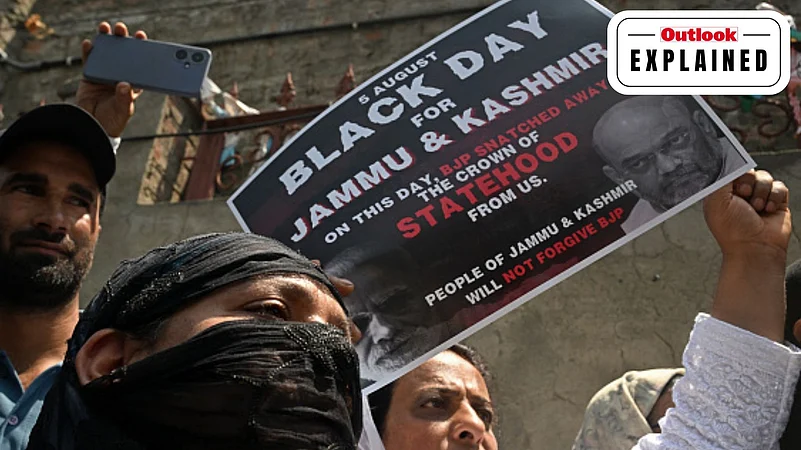
The National Conference and the Peoples Democratic Party on Wednesday organised protests across the Union Territory, observing the seventh anniversary of abrogation of Article 370 as a “Black Day” and demanding the restoration of statehood and constitutional rights.
The Bharatiya Janata Party, meanwhile, held a Tiranga rally to commemorate what it described as the complete integration of Jammu and Kashmir with the rest of India.
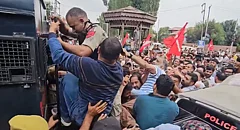
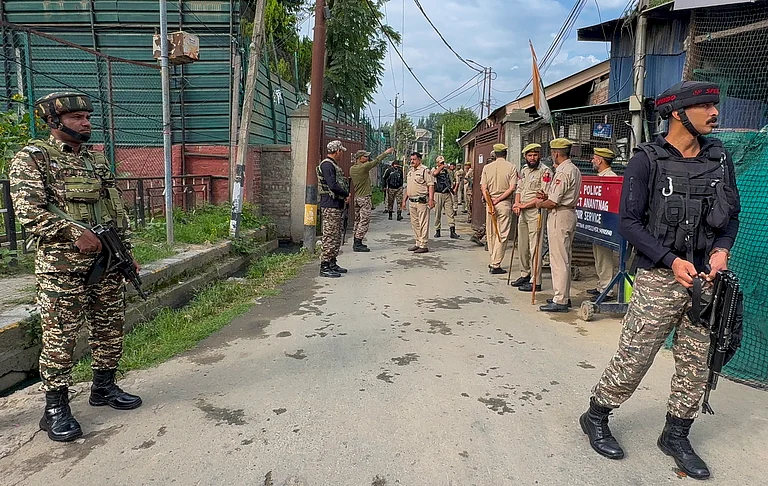
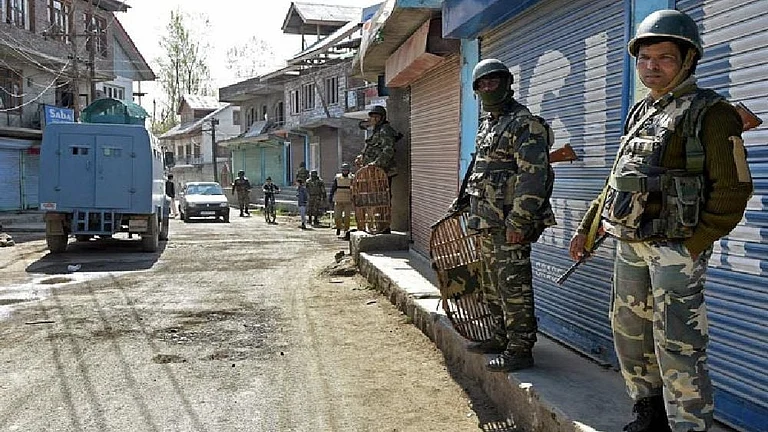
Security was tightened across the Union Territory, with personnel from the police, Army and Central Reserve Police Force deployed at sensitive locations. Officials said vehicle checking, frisking and surveillance were intensified along the Jammu-Srinagar and Jammu-Pathankot national highways.
In Srinagar, security forces were deployed in large numbers around Lal Chowk, while roads leading to the NC and PDP headquarters were sealed as a precautionary measure to prevent protests, officials told The Times of India.
Terror Incidents And Security Situation
The decline in terror-related violence has been one of the Centre’s most prominent achievement while assessing the changes in Jammu and Kashmir since 2019.

According to the Press Information Bureau, terrorist incidents declined from 7,217 between 2004 and 2014 to 2,242 during the 2014-2024 period. Terrorist-initiated incidents also fell from 228 in 2018 to 12 in 2025.
Civilian deaths in terror-related incidents declined from 55 in 2018 to 28 in 2025. Fatalities among security personnel dropped from 91 to 16 during the same period, representing a decline of more than 82 per cent.
The longer-term data also showed that 1,060 security personnel were killed between 2004 and 2014, while 542 lost their lives between 2015 and 2025, according to PIB.
Stone-pelting incidents, which averaged around 2,654 annually between 2010 and 2014, declined by more than 87 per cent by 2020 and have remained near zero since 2022. Organised strikes and shutdowns also declined from 52 in 2018 to zero from 2023 through April 2026.
However, occasional terror attacks, including those targeting security personnel, tourists and non-local workers, have continued to underline the persistent security challenges in the region.
Economic Growth And Rising Investment
Jammu and Kashmir has recorded steady economic expansion since 2019, supported by developmental spending, infrastructure projects, tourism, horticulture and public welfare programmes.
The Union Territory received investment worth Rs 5,260 crore during the first nine months of the 2025-26 financial year, according to the Jammu and Kashmir Economic Survey 2025-26.
The New Central Sector Scheme has attracted proposed investments worth Rs 14,292 crore and is expected to generate employment for more than 50,000 people, the survey said.
The government has also placed considerable emphasis on correcting infrastructure deficits in transport and energy. Roads, highways, tunnels and rural connectivity projects have reduced travel time and linked previously remote areas to markets and public services.
Of the 63 major development projects worth approximately Rs 80,000 crore approved under the Prime Minister’s Development Package, more than Rs 51,000 crore has been invested and 53 projects have been completed, according to PIB.

Jammu And Kashmir’s Expanding Startup Ecosystem
Jammu and Kashmir has also witnessed significant growth in its startup ecosystem.
The number of recognised startups increased from 69 in 2020 to 1,255 by December 2025, including 434 women-led enterprises, according to the Economic Survey 2025-26.
These startups operate across agriculture and allied sectors, information technology, manufacturing and services.
The Jammu and Kashmir Startup Policy 2024-27 aims to provide support through venture capital funds, loan guarantee programmes, seed funding, patent-related assistance and mentorship.
The administration has said the growth of startups and self-employment opportunities is intended to reduce dependence on government jobs and encourage entrepreneurship among young people.
More than 41,000 government jobs were created between 2019 and May 2026, while over 9.81 lakh people were provided self-employment opportunities under various schemes during the previous four years, according to PIB.
Tourism, Handicrafts And Employment
Tourism continues to remain a major contributor to Jammu and Kashmir’s economy, accounting for around seven per cent of its Gross State Domestic Product and supporting nearly five lakh people directly and indirectly.
The Union Territory recorded more than 2.3 crore tourist arrivals in 2024, the highest annual number in its recorded history.
The Centre has cited the increase in tourist arrivals as an indication of greater public confidence and improved security conditions. However, the sector remains vulnerable to terror attacks and political instability.
Handicrafts and handlooms also remain central to the region’s economy. Traditional products such as Pashmina shawls, carpets, embroidery, papier-mâché, wood carving, silk and cotton fabrics continue to support local livelihoods and exports.
According to an PIB, The handloom and handicraft sector employs more than 3.5 lakh people directly and indirectly, including artisans and workers from marginalised communities as of October 2025. Women account for nearly 45 per cent of the workforce.
Jammu and Kashmir has also been declared a fully literate Union Territory under the Centre’s ULLAS programme, with a reported literacy rate of 99.09 per cent.
Demand For Restoration Of Statehood
Despite the Centre’s emphasis on development, investment and improved security, the demand for the restoration of Jammu and Kashmir’s statehood remains at the centre of the region’s politics.
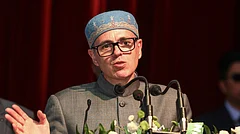
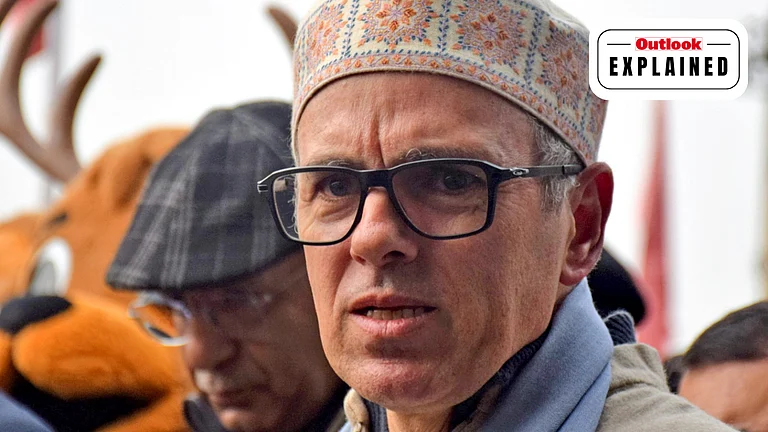
On Wednesday, Chief Minister Omar Abdullah said the National Conference had neither forgotten nor reconciled itself to the constitutional and administrative changes made in August 2019.
“Seven years, we haven’t forgotten and we haven’t reconciled, far less accepted our current circumstances. My party and I remain committed to reversing all that was done to J&K that took away our rights and threatens our identity,” Abdullah said in a post on X.
Quoting Robert Frost, he added: “The woods are lovely, dark and deep. But I have promises to keep. And miles to go before I sleep.”
On July 20, NC president Farooq Abdullah and CM Omar Abdullah led a protest in New Delhi demanding the immediate restoration of full statehood.
“We are fighting for full statehood, which was promised by the Prime Minister and the Home Minister in Parliament, as well as in the Supreme Court, and also to the people of Jammu and Kashmir,” he told reporters.
Seven years after Article 370 was abrogated, Jammu and Kashmir has witnessed significant shifts in security, infrastructure, tourism and investment. However, the unresolved questions of statehood, political powers and constitutional identity continue to shape the region’s public and political discourse.