



While US Secretary of State hinted that a breakthrough could materialize almost immediately, US President signalled a more calculated, deliberate approach.
Iran is currently finalizing a 14-point framework aimed squarely at halting hostilities across the Middle East, including the devastating spill-over violence in Lebanon.
The distance between "understanding" and a signed peace treaty remains vast, bridged only by the slow, painful work of diplomacy.
For the millions of families living under the shadow of the conflict that erupted on February 28, the latest dispatches from Tehran offer a gruelling exercise in managed expectations. On Monday, Iranian Foreign Ministry spokesman Esmaeil Baqaei stood before reporters to confirm what many had desperately hoped to hear: Tehran and Washington have carved out a shared understanding on a "large portion" of the issues dragging the region through war. Yet, in the same breath, he delivered a sobering reality check. An official peace accord is not imminent.
This diplomatic dance highlights the agonizingly slow friction of wartime negotiations. While US Secretary of State Marco Rubio hinted that a breakthrough could materialize almost immediately, US President Donald Trump signalled a more calculated, deliberate approach, urging his negotiating team "not to rush." For observers and citizens alike, this public push-and-pull reveals a deeper human truth: even when the willingness to end a war exists, rewriting the terms of a bitter rivalry requires untangling a massive web of pride, mistrust, and strategic leverage.
Navigating the Human and Economic Toll
At the heart of the current deadlock are the practical, everyday bottlenecks that have suffocated regional stability for months. Iran is currently finalizing a 14-point framework aimed squarely at halting hostilities across the Middle East, including the devastating spill-over violence in Lebanon. But for ordinary citizens and global markets, the most tangible battlefield has been maritime. The US naval blockade on Iranian ports, strictly enforced since April 13, has choked local economies, while Tehran’s tight grip on the vital Strait of Hormuz has severely disrupted global shipping.


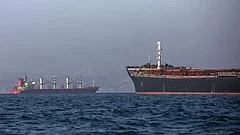

Iran's current stance reflects a delicate attempt to project control while keeping the door to peace cracked open. While Washington demands an end to restrictions in the Strait, Tehran maintains that its current restrictions are not aggressive "tolls," but rather necessary fees for "navigational services" and environmental protection. These semantic debates carry immense weight; they represent the complex manoeuvring of leadership trying to secure economic relief without appearing to capitulate under immense international pressure.
The Missing Piece of the Puzzle
Perhaps the most telling aspect of these negotiations is what is intentionally being left out. Tehran has adamantly insisted that the thorny, deeply polarized issue of its nuclear program will not be featured in this initial 14-point framework. According to Baqaei, the blueprint is strictly a tool to stop the active fighting; the nuclear dossier will only return to the table once the guns fall silent and a baseline of trust is established.
As the political manoeuvring continues, the world is left to watch a high-stakes waiting game. The distance between "understanding" and a signed peace treaty remains vast, bridged only by the slow, painful work of diplomacy. For now, the framework offers a fragile glimmer of hope—a sign that both sides see an exit ramp, even if neither is quite ready to take it just yet.















