






Chidambaram opposed the Centre’s delimitation move, saying it would weaken political representation of southern states.
He termed the Parliament session timing a “planned conspiracy,” noting MPs from poll-bound states may miss it.
The Congress leader also criticised the government for avoiding debate on key issues like inflation and global conflicts.
Opposing the proposed delimitation exercise of the central government, senior Congress leader P Chidambaram on Wednesday claimed that the move would suppress the political voice of the southern states.
Kerala and Karnataka, two states in the south, he noted, have similar concerns.
He called the April 16–29 parliamentary session a "planned conspiracy" and claimed it was intended to keep West Bengal and Tamil Nadu MPs running for office from attending.
Noting that Congress has requested the Centre to postpone the session, citing elections in these two states, he asked, "What is the danger if the Parliament session could be held after the elections?" "There is no urgency to hold a parliament session at this point during the elections. A total of 67 members would be unable to participate due to election duties in Tamil Nadu and West Bengal," he added.
Observing that Tamil Nadu's current representation in the Lok Sabha is 39 and it may rise to 58, he alleged that the voice of the southern states in the Lok Sabha will be "suppressed and stifled".
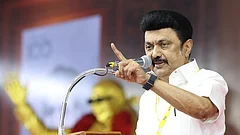



He called for defeating and unanimously opposing the delimitation bill.
Chidambaram expressed concerns about the 50% increase in seats and the negative consequences of the state's delimitation.
"It is shocking to note AIADMK general secretary Edappadi Palaniswami's response to the delimitation, citing Amit Shah's assurance that it will not affect Tamil Nadu." He also appealed to the people to oppose the delimitation process initiated by the Centre.
A Women's Reservation Amendments Bill will also be introduced by the central government at the next special session of Parliament, which begins on April 16.
The Congress veteran also chastised the Parliament for failing to address urgent matters, including import and export limitations and the escalating costs of petrol, gasoline and LPG.
He questioned the purpose of a Parliament that rejected proposals to debate these vital issues, including the West Asia war's impact.
















