AATSU opposes ST status for Tai Ahom, Chutia, Koch-Rajbongshi, Matak, Moran, and Tea Tribes, citing failure to meet Lokur criteria and risks to current ST quotas.
Proposal seen as endangering safeguards for Assam's 14 ST groups, whose population is outnumbered by the proposed additions, potentially diluting jobs, education, and welfare access.
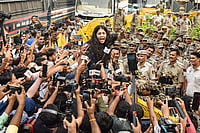
Multiple tribal bodies, including ABSU and ADSU, have held rallies and submitted memoranda, warning of mass movements if the GoM recommendations proceed.
The All Assam Tribal Students’ Union (AATSU) submitted a memorandum to President Droupadi Murmu on December 5, 2025, through the District Commissioner in Kokrajhar, urging rejection of the Assam government's proposal to include six ethnic communities in the Scheduled Tribes (ST) list. The communities in question are Tai Ahom, Chutia, Koch-Rajbongshi, Matak, Moran, and Tea Tribes (Adivasis), whose inclusion was recommended by a Group of Ministers (GoM) report tabled in the Assam Assembly on November 29.
AATSU President Hareswar Brahma stated in the memorandum that the move is "anti-tribal" and threatens the constitutional protections, socio-economic safeguards, and political rights of Assam's existing 14 recognized ST groups, including Bodos, Rabhas, Garos, Misings, Karbis, Dimasas, Sonowals, Deoris, and Tengal Kacharis. The union argued that the six communities, with a combined population exceeding 80-90 lakh—more than double the current ST population of about 38-40 lakh—do not meet the Lokur Committee criteria for ST status, which include social and educational backwardness, distinct cultural identity, and geographical isolation.
The petition highlighted that these communities are already classified under Scheduled Castes (SC), Other Backward Classes (OBC), or Most Other Backward Classes (MOBC), benefiting from reservations aligned with their socio-economic status. AATSU contended that their addition to the ST list would lead to "double reservation" and overwhelm opportunities in education, jobs, and welfare schemes for genuinely marginalized tribes. The organization called for a comprehensive social assessment before any decision and referenced past Supreme Court judgments on reservation matrices.