Narendra Modi’s speech brings certain films into political focus, raising questions about how they are being positioned in public discourse.
Each of these films has faced specific criticism around its claims, portrayals, or use of real events.
Together, they point to a growing overlap between cinema and the way recent history is being framed.
When Prime Minister Narendra Modi addressed a rally in Tiruvalla, Kerala, in April 2026, he said: "They said Kerala Story is a lie, they said Kashmir Files is a lie, they said Dhurandhar is a lie." He further went on to call the Opposition a "factory of lies" for questioning these films.
The remarks did two things at once: Not only did they give these fictional films a sense of veracity, but they also dismissed any criticism of them as politically motivated.
That is where the problem begins, because the criticism around these films has not been vague. It has been specific, documented and in many cases, fact-based.
1. The Kashmir Files (2022)

History With Key Gaps
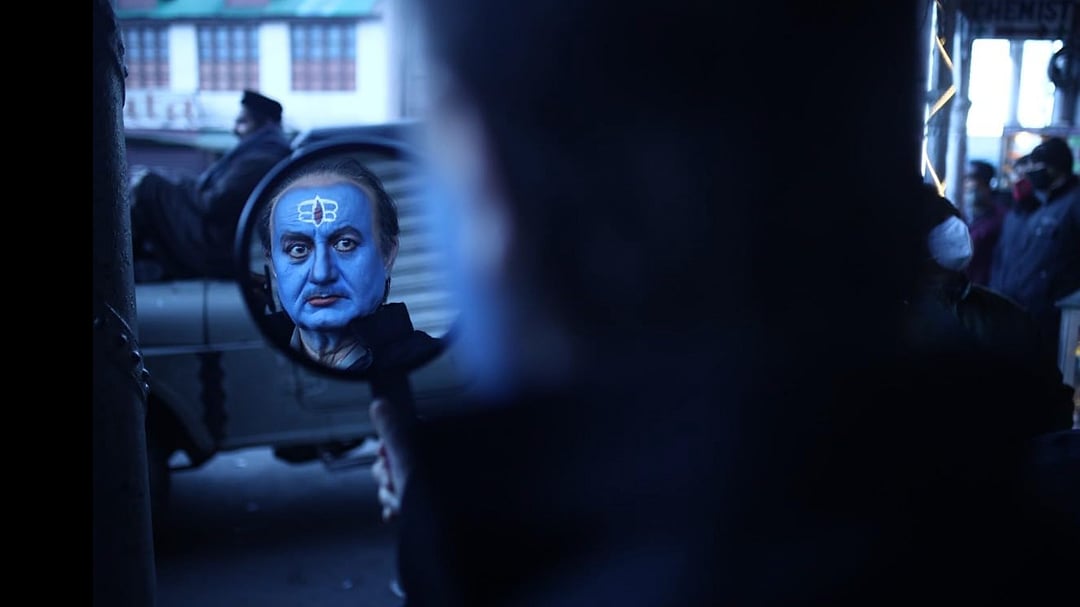
Vivek Agnihotri’s film tells the story of the exodus of Kashmiri Pandits in the 1990s. The event itself is not contested. What has been questioned is how the film presents it.
The Hindu noted that the film offers a selective retelling, focusing on one strand of suffering while leaving out the broader context of Kashmir’s quagmire. That context includes political decisions, militancy, state response and violence faced by multiple communities. The Wire pointed out that the film leans on heightened claims and dramatisation without engaging with documented complexity. The narrative reduces a layered conflict into a singular, linear story.
There has also been criticism of how the film portrays university spaces. Scenes resembling campuses like JNU are shown as breeding grounds of ‘anti-national’ thought, echoing a political trope rather than a verifiable reality.
The issue here is not invention, but careful and motivated omission.
2. The Kerala Story (2023)

A Claim That Didn't Hold
The film hinges on one number: 32,000.
That's the figure the film initially pushed of women from Kerala who were converted and recruited by ISIS. It's what gave the film its shock value.
But that number didn't stand for long.
As reported by BBC News, there was no evidence backing it. Available data and official records pointed to far smaller figures, in some cases just a handful of confirmed instances.
The issue eventually made its way to court. Under scrutiny, the filmmakers quietly dropped the 32,000 claim from the film's description. The concern isn't about whether radicalisation exists. But the scale the film builds its story on doesn't match what's been documented. Once that scale falls apart, the entire narrative starts to feel shaky.
3. Dhurandhar Parts 1 & 2 (2025-2026)
Fiction Built on Real Fragments
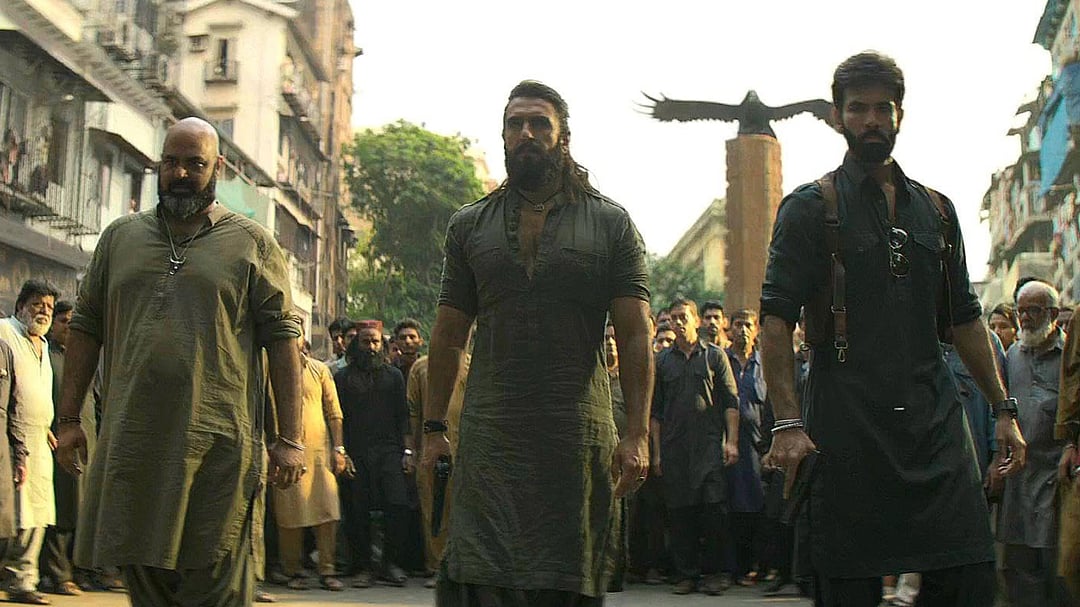
Dhurandhar, across both its parts, relies heavily on real-life references.
It pulls from events like the Kandahar hijack, the 2001 Parliament attack and the 26/11 Mumbai attacks. It uses the language of intelligence operations, real geopolitical tensions and familiar figures within India’s security establishment.
That grounding gives it credibility.
What critics across Mint Lounge and The Wire have pointed out is what the film does with that credibility. It constructs a narrative where fiction fills the gaps left by limited public knowledge. Karachi's Lyari is depicted as a central node in anti-India operations, despite a report that describes it as a localised gang conflict zone. Pakistani characters are written with near uniform aggression, flattening social and political realities into a single tone. Real incidents are used as anchors, but the connective narrative between them is imagined. The result is not a documentary. But it also does not behave like pure fiction. It sits in between, using real events to legitimise invented conclusions.
4. Uri: The Surgical Strike (2019)
Precision Over Complexity
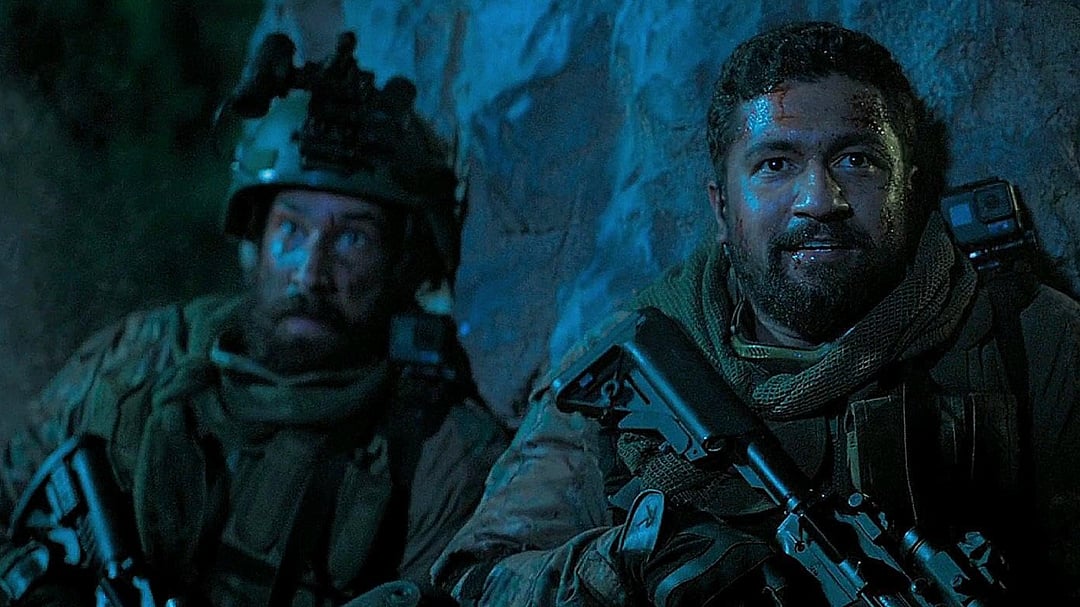
The film takes the real event of India's response to the 2016 Uri attack and turns it into a tight, focused narrative. Everything is clear. There's a defined threat, a precise response and a sense of closure by the end. It moves with purpose and doesn't pause to second-guess its intent.
However, truth tends to become the main casualty in situations like this, where limited information about military operations reaches the general public. The impact of India’s strikes in neighbouring Pakistan remains contested to date internationally. Much of the technological warfare depicted in the film is imagined. Yet, the film was instrumentalised by the BJP during the campaign for the 2019 Lok Sabha elections, explaining the significance of its narrative in furthering political interests.
5. Article 370 (2024)
A Decision Without Its Debate
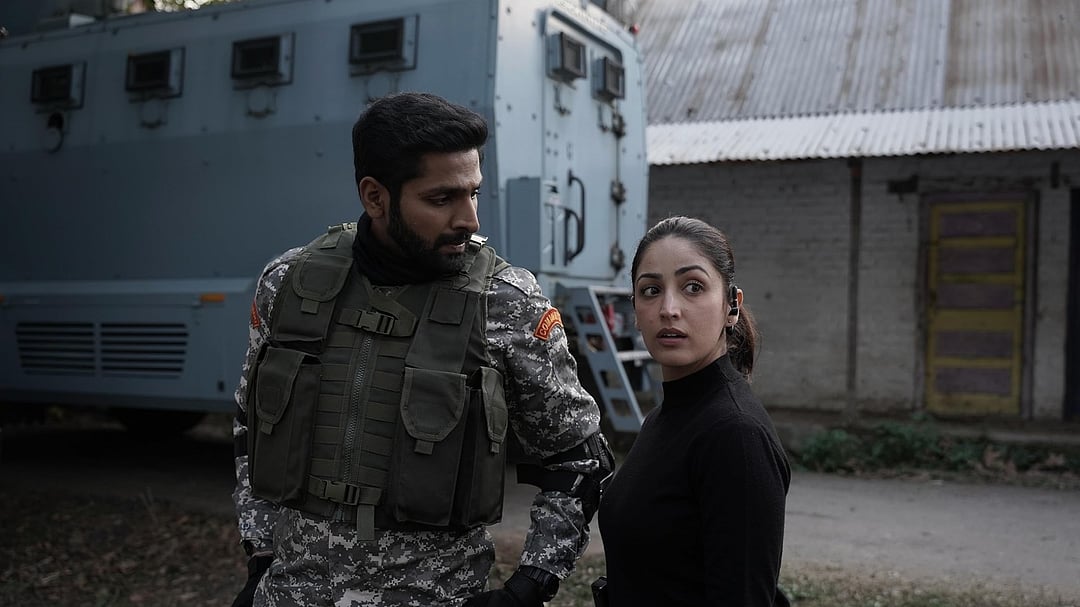
Article 370 takes on one of the most debated political decisions in recent years—but you wouldn’t really know that from watching it.
During a visit to Jammu on February 20, 2024, PM Modi remarked: “I do not know what the film is all about, but yesterday I heard on TV that a film is coming on Article 370. Good, it will be useful for people to get the correct information.”
This was despite the disclaimer about the film being a work of fiction, clarified by its producer Aditya Dhar on many occasions. The film justifies the abrogation as a political decision that was strategic and necessary. Alongside, it also legitimises custodial torture and military practices that have been seen by civil society activists as human rights abuses in the Valley for decades. There's very little pause to ask what the other side thinks. Voices of disagreement, which have been loud and visible in real life, barely register here. The focus stays on how the decision was carried out, not on the arguments around it.
Much like Uri, Article 370’s release was also carefully timed to release just before the Lok Sabha elections 2024.

What the Speech Changes
The key shift is not in the films. It is in how they have been used by political leaders in public discourse. They draw from real events, but at the same time, they reshape those events through selective retelling, emphasis and omission. When such films are authenticated by politicians, they move from the domain of being works of fiction into transforming public memory of the events they depict. The criticism around them has not been abstract. It has focused on specific claims, numbers and portrayals that do not align with available evidence or wider reporting.