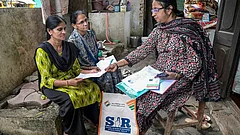
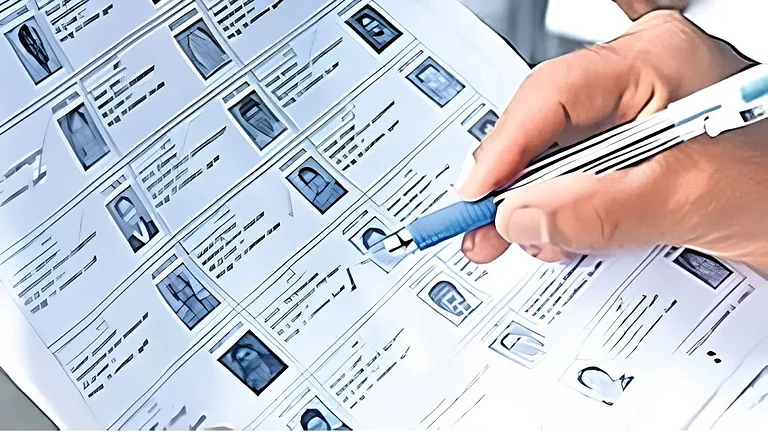
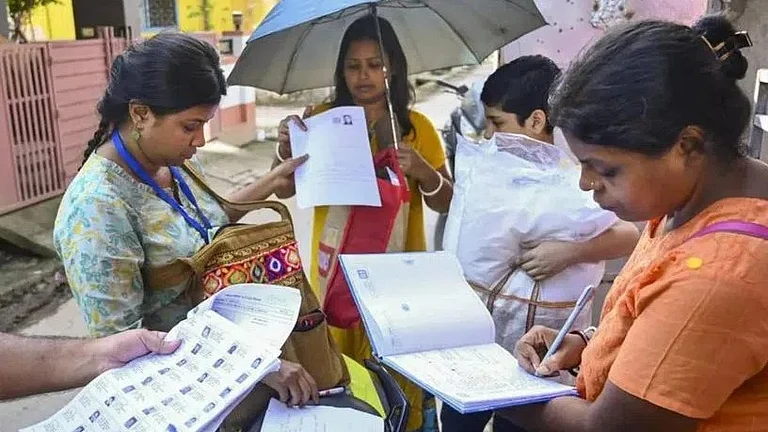
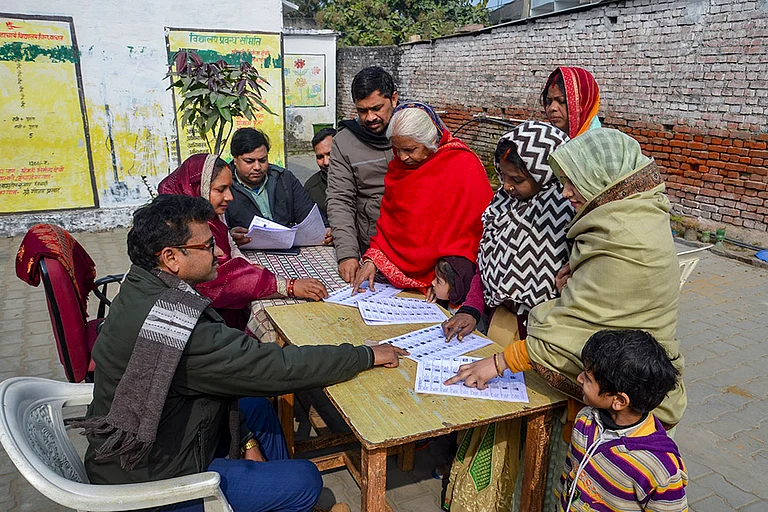
Booth-level officers are conducting door-to-door verification and distributing enumeration forms to update electoral rolls.
Voters are not removed immediately if they miss a home visit, as BLOs make multiple attempts and alternative submission options are available.
The Special Intensive Revision aims to remove duplicate or ineligible entries while adding eligible new voters to the electoral rolls.
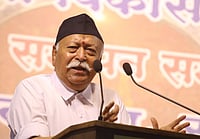
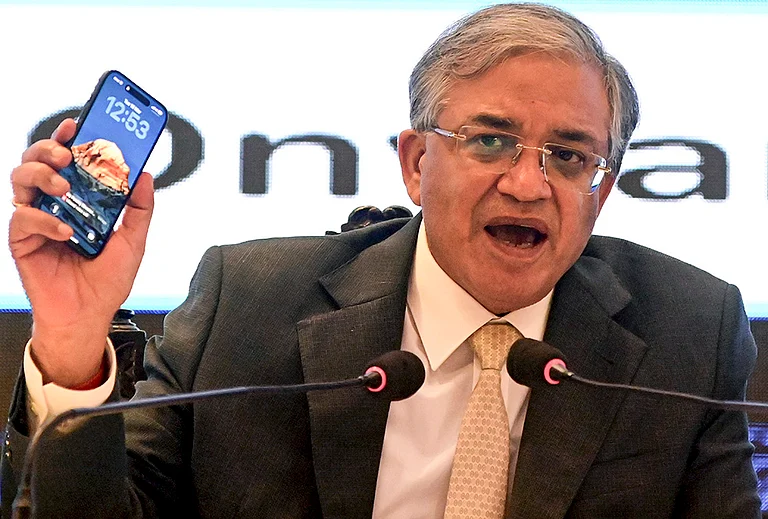
Karnataka Chief Electoral Officer V Anbukkumar said on Tuesday that booth-level officers would deliver enumeration forms to all eligible voters under the Special Intensive Revision of electoral rolls, including those yet to be mapped, and urged people to return the filled forms by 29 July. As the exercise began, Anbukkumar received and submitted his own form at his residence.
The Election Commission of India is carrying out this house-to-house verification in multiple states to update electoral rolls using data from the 2002 baseline. The process checks existing entries, removes ineligible names and adds new voters. PTI reported that the month-long door-to-door distribution of forms started in Karnataka on Tuesday, with draft rolls due on 5 August and final rolls on 7 October.
What Does the SIR Process Require from Voters?
BLOs visit homes to distribute two copies of the enumeration form. Voters fill details based on the baseline roll. One copy serves as acknowledgement while the other returns to the BLO. No documents are submitted at this stage. Anbukkumar stressed that even unmapped voters receive forms at their registered addresses. Only names on rolls as of 16 June 2026 qualify for forms.



Karnataka has 5.56 crore voters, of whom more than 5.09 crore are mapped. Submitting a photograph is not mandatory, but a new one is welcome if the existing image is old. BLOs can take fresh photographs using mobile phones. Those turning 18 by the qualifying date of 1 October 2026 can submit Form 6 for enrolment. Anbukkumar welcomed new voters and assured their names would be added. PTI reported similar details from the CEO's interaction with reporters.
How Is the Exercise Progressing in Different States?
Delhi began on Tuesday with over 13,000 BLOs covering 70 assembly segments and 1.45 crore voters, including 77.11 lakh male and 67.98 lakh female electors. Rolls were frozen on 16 June with 1,45,10,298 registered voters. BLOs visit early morning and evening, including weekends. Political parties participate through booth-level agents. Voters who settled after 2002 use details from their native state's last SIR, available on the ECI portal. Forms can also be submitted online. The exercise ends on 29 July, with draft rolls on 5 August. Names of those who do not fill forms risk removal from the draft roll.
In Telangana, which started on 25 June, 1.73 crore forms were distributed within four days by nearly 36,000 BLOs. State CEO C Sudharshan Reddy appreciated the efforts and instructed district election officers to ensure 100 per cent distribution. Of over 3.38 crore voters, 2.38 crore were mapped by 20 June, with nearly 90 lakh showing anomalies. BLOs guide voters in filling forms and support digitisation. Training rounds for BLOs focus on assistance and monitoring. Political parties and BLAs were urged to participate. The door-to-door exercise continues until 24 July, with draft rolls on 31 July and final on 1 October.
Odisha's first phase, which began on 29 May with over 45,000 BLOs, saw more than 99 per cent distribution and 93 per cent submission by late June. Draft rolls publish on 5 July and objections run until 4 August, with final rolls on 6 September. Sikkim completed distribution at 99.71 per cent of 4,71,018 electors by 28 June, with 91.99 per cent digitised and 8.01 per cent remaining for collection. CEO Raj Singh Yadav highlighted the collective effort and adherence to the principle of no eligible voter left behind.
Meghalaya starts on Tuesday using 2005 rolls as baseline. In East Khasi Hills, 1,021 BLOs cover an equal number of polling stations. Deputy Commissioner Abhilash Baranwal appealed for serious participation and noted the objective is inclusion. Online submission and helplines are available. Claims and objections run from 5 August to 4 September. The administration works with headmen to build confidence amid reported exclusions elsewhere.
Mizoram completed its exercise, which began on 20 May. Over 46,000 names were removed, including 21,290 deceased, 8,352 untraceable, 13,992 who permanently migrated, and 2,245 duplicates. The electorate now stands at 8,28,877, or 94.72 per cent of previous figures. 312 eligible voters refused enrolment due to religious beliefs. The Mizoram Joint Chief Electoral Officer confirmed full digitisation. Draft rolls publish on 4 July. The Election Commission is examining concerns raised by the Mizo Zirlai Pawl about voter increases in certain areas.
Why Is This Revision Being Conducted?
The SIR cleans electoral rolls of duplicates, deaths, shifts and other inaccuracies while ensuring inclusion. PTI reported that BLOs in various states focus on 100 per cent outreach. Qualifying dates and timelines differ by state but follow ECI guidelines for transparency. Political parties and officials monitor progress through field visits and social media updates in places such as Telangana.
What Should Voters Know About the Process?
Voters cooperate by filling forms accurately. BLOs assist during visits. New voters enrol via Form 6. Online options exist for convenience. The exercise represents one of the largest verification programmes, involving extensive house-to-house work by BLOs, BLAs, electoral registration officers and others.
SIR Begins Across States: What Happens If Your House Is Locked During Voter Verification?
As the Election Commission's Special Intensive Revision begins in Delhi, Maharashtra, Karnataka and other states, voters have questions about the door-to-door process. According to ECI procedures, BLOs make at least three visits to houses found locked. They leave the enumeration form along with a notice containing contact details and information about the constituency and next visit.
Voters do not face automatic deletion from the electoral roll for missing initial visits. They can complete the form and submit it later to the BLO, online through the ECI portal, or at designated points. The acknowledgement copy provides proof of participation. If contact is not made after multiple attempts, the name still appears in the draft roll, where voters and parties can file claims and objections during the specified period.
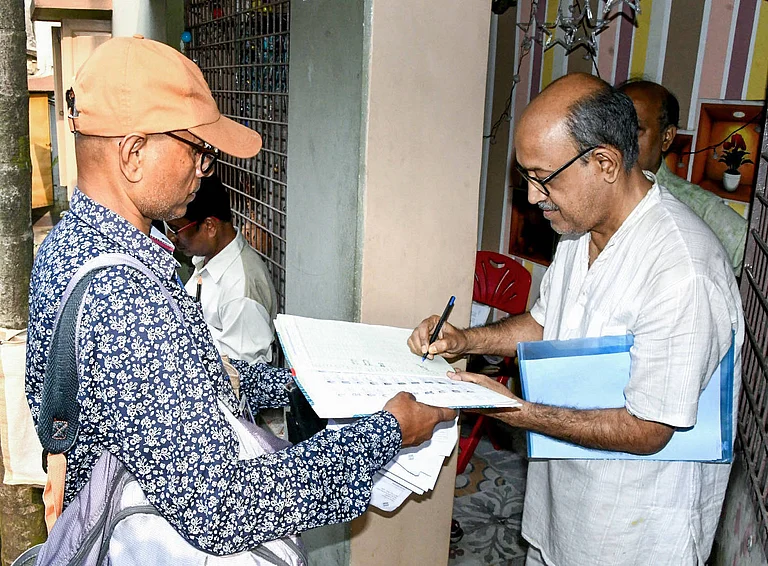
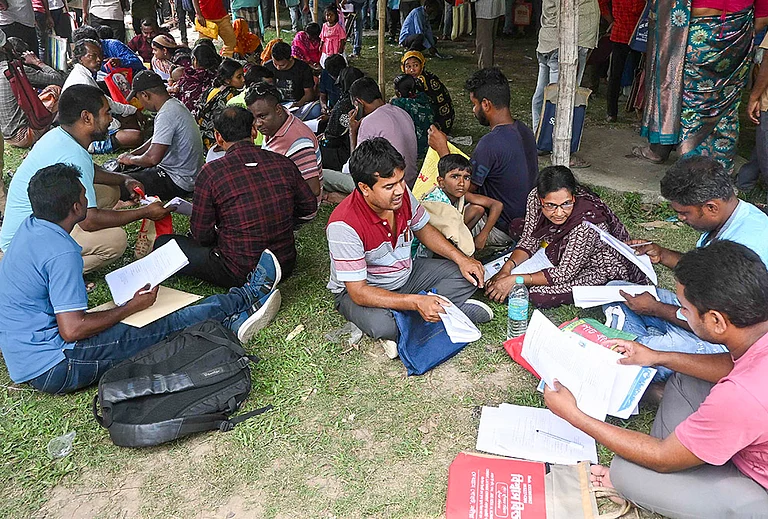

The official procedure emphasises verification and assistance rather than exclusion. BLOs help elderly or disabled electors. Common misconceptions include fears of instant removal or mandatory documents at the first visit. No documents are required during enumeration; only form filling based on existing records. Helplines and online facilities support those who miss home visits. Supervision and random checks by higher officials maintain fairness. Voters should respond to notices and check details on the ECI website to ensure their names remain on the final rolls published in October.
This exercise across states aims for accurate rolls through systematic checks.
(with inputs from PTI)