The Ebola outbreak in the DRC has surpassed 2,000 confirmed cases, with 2,124 infections and 828 deaths reported as of last week
The WHO and CDC say the outbreak is spreading unusually fast, making it the third-largest Ebola outbreak ever recorded
No licensed vaccine or specific treatment exists for the Bundibugyo strain of Ebola
An Ebola outbreak caused by the Bundibugyo virus in the Democratic Republic of the Congo has surpassed 2,000 confirmed cases, with the virus spreading across five provinces and into neighbouring Uganda, according to data from the Centers for Disease Control and Prevention (CDC) and the World Health Organization (WHO).
As of last week, the DRC had reported 2,124 confirmed cases and 828 deaths, according to the CDC. Uganda has reported 20 confirmed cases and two deaths, with all cases in its capital Kampala linked to travel from the DRC. One confirmed case has also been reported in France. The outbreak is spreading substantially faster than previous Ebola outbreaks and is now the third largest Ebola outbreak on record, the CDC said.
The outbreak is the 17th Ebola outbreak in the DRC since the virus was first identified in 1976. The WHO Director-General determined on May 17 that the outbreak constitutes a Public Health Emergency of International Concern (PHEIC), requiring international coordination and cooperation for the response.



Rapid Spread And Response Challenges
The outbreak surpassed 1,000 confirmed cases within 40 days of response activation, the CDC said. In comparison, the 2018 Ebola outbreak in North Kivu took approximately 235 days to reach more than 1,000 cases. The number of reported deaths has risen rapidly as well, with more than 100 fatalities reported in the first week of July, according to the CDC.
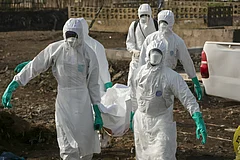
The response to the outbreak is challenged by limited health infrastructure, ongoing conflict in the affected areas, violence against healthcare workers, shortages of personal protective equipment, and frequent population movement and cross-border travel that increase the risk of spread to Uganda, South Sudan, Rwanda and other areas, the CDC said.
In late May, WHO Director-General Dr Tedros Adhanom Ghebreyesus visited the DRC, where he and Health Minister Dr Samuel Roger Kamba reaffirmed their partnership to combat the outbreak. "Central to this response is the recognition that communities are at the heart of the solution. Success will depend on the trust, engagement and leadership of local communities," they said in a joint statement.
No Licensed Vaccines Or Treatments
Unlike Ebola virus disease, no licensed vaccine or specific treatment exists for Bundibugyo virus disease, according to the WHO Regional Office for Africa. Response strategies will rely heavily on comprehensive public health measures, including supportive care, early case detection, stringent infection prevention and control protocols, rigorous contact tracing, safe burial practices, and deep community engagement.
Research and development initiatives are being mobilized to identify and advance potential medical countermeasures, with WHO supporting accelerated efforts to evaluate candidate vaccines and investigational therapeutics.

International Response And Travel Measures
The CDC, Department of Homeland Security, and other federal agencies implemented public health entry screening and entry restrictions on May 18 to prevent Ebola from entering the United States. An order continuing the suspension of the right to introduce specified foreign nationals into the United States was issued on July 13 and will remain in effect for 30 days.
CDC has deployed more than 120 people to affected countries, with approximately 400 staff involved in the response overall. The agency recommends avoiding non-essential travel to affected provinces in the DRC and advises travelers to other parts of the region to take precautions.
WHO has advised against international travel and trade restrictions, stating that border closures are not supported by scientific evidence and may instead increase risks by shifting movements to informal and unmonitored crossings.