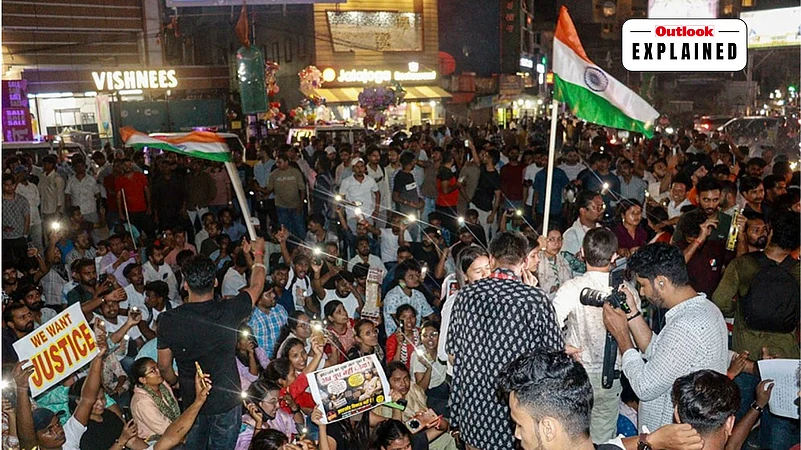
What began as a protest over alleged irregularities in the JPSC examination has evolved into one of Jharkhand's biggest youth movements in recent years.
The agitation reflects wider concerns over recruitment transparency, paper leaks and delays in government hiring across India.
As political parties weigh in, the protests have become a test of the Hemant Soren government's credibility and the integrity of India's public recruitment system.
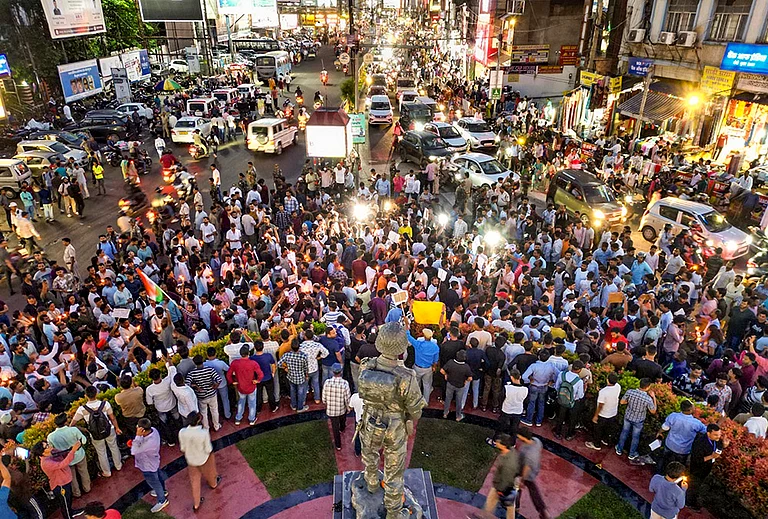
What began as a protest over alleged irregularities in a state civil services examination has evolved into one of Jharkhand's biggest youth movements in recent years. For weeks, students and government job aspirants have occupied the streets of Ranchi, demanding transparency in recruitment, accountability from the Jharkhand Public Service Commission (JPSC) and a credible investigation into alleged lapses.
The agitation has grown beyond a dispute over one examination. It now reflects a broader frustration among young Indians over delayed recruitments, alleged paper leaks and the perceived lack of fairness in government hiring. As political parties rally behind the movement, the protests are emerging as a test not only for the Hemant Soren-led government but also for India's public recruitment system.
The timeline of the protest
The agitation was triggered by allegations surrounding the 14th JPSC Combined Civil Services Preliminary Examination. Candidates questioned the transparency of the recruitment process after the results were declared, alleging irregularities in the evaluation and selection process. Student groups began holding demonstrations in Ranchi, demanding that the examination be cancelled and investigated.


The controversy intensified after the Jharkhand government ordered an inquiry and the state's Criminal Investigation Department (CID) launched a probe into the allegations. Investigators have since made multiple arrests in connection with the case, while authorities continue to examine the recruitment process. Amid mounting pressure, JPSC Chairperson L Khiangte resigned, adding further momentum to the protests. Even after these developments, students have continued their sit-ins, arguing that arrests alone will not restore confidence in the system.
Why has trust in recruitment eroded?
The anger in Jharkhand did not emerge overnight. It reflects years of frustration among government job aspirants who spend several years preparing for highly competitive examinations, often facing repeated delays, cancelled tests, legal disputes and allegations of paper leaks.
Across India, recruitment controversies have become increasingly common. The NEET examination controversy, alleged paper leaks in several state recruitment tests, and repeated postponements of competitive examinations have reinforced concerns that the recruitment process lacks transparency and accountability. For many aspirants, every cancelled examination represents not just an administrative failure but months or even years of lost preparation, financial expense and emotional stress.
In Jharkhand, the JPSC controversy has become a symbol of these wider anxieties. Protesters argue that unless recruitment agencies are seen as independent and transparent, confidence in government hiring will continue to decline regardless of the outcome of individual investigations.
Students versus the government
The protests have gradually shifted from demands directed solely at the JPSC to criticism of the state government itself.
Student organisations argue that the government bears ultimate responsibility for ensuring fair recruitment because public service commissions function under the broader administrative framework of the state. They have demanded an independent investigation, strict action against those found responsible for any irregularities and reforms to improve transparency in future examinations.
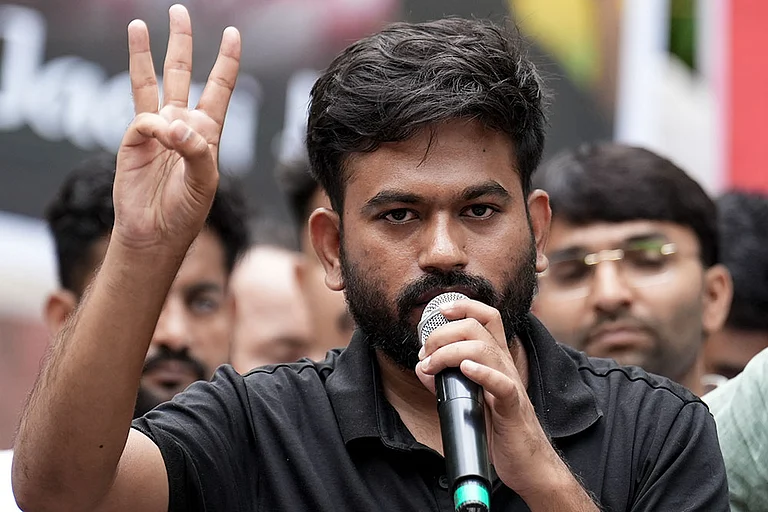
Devendra Nath Mahto, a student leader leading the agitation, earlier remarked that the protest was aimed at a transparent recruitment system.
"Our fight is not against any individual. It is for a transparent recruitment system and justice for every aspirant," he said.
The Hemant Soren government has insisted that it is taking the allegations seriously. It ordered a CID investigation, supported legal action where evidence has emerged and has maintained that the probe will identify those responsible. However, many protesters remain unconvinced, arguing that restoring public confidence will require structural reforms rather than action limited to a single examination.
The protests have therefore become a contest over credibility as much as accountability, with both sides seeking to convince young aspirants that they are acting in the interests of fair recruitment.
The politics behind the agitation
The JPSC protests have quickly acquired political significance.
The Bharatiya Janata Party has sought to portray the recruitment controversy as evidence of administrative failure under the Jharkhand Mukti Morcha (JMM)-led coalition government. BJP leaders have organised demonstrations outside the JPSC office and the Congress headquarters in Ranchi, demanding a transparent investigation and attempting to link the controversy directly to the ruling alliance.
For the Congress, which is part of the governing coalition, the protests present a difficult political challenge. Supporting the students too aggressively could amount to criticising its own government, while defending the administration risks alienating young voters frustrated with the recruitment process.
Earlier, Aditya Sahu, the BJP state president in Jharkhand, called out the hypocrisy of the Congress in their stance towards student protests in Delhi and Ranchi.
"Congress has two faces. It does one thing in Delhi and another in Jharkhand," he said.
The movement has also attracted comparisons with the nationwide protests over the NEET examination and other recruitment controversies. Political observers say these movements indicate that employment and recruitment transparency are becoming increasingly important electoral issues, particularly among first-time and young voters.
What happens next?
The immediate future depends on the outcome of the CID investigation and any further action taken by the government. If investigators establish wrongdoing, the administration may face pressure to cancel or revise parts of the recruitment process and introduce broader institutional reforms.
Even if the current controversy is resolved, the larger issues are unlikely to disappear. Across the country, recruitment agencies continue to face demands for faster examinations, greater transparency, stronger safeguards against paper leaks and more accountable selection procedures.
For political parties, the protests carry an important lesson. Government job aspirants represent one of India's largest and most politically aware youth constituencies. Their concerns extend beyond a single examination to questions of employment, governance and institutional trust.
The JPSC agitation therefore marks more than a dispute over one recruitment process. It signals how examination controversies can evolve into wider political movements, particularly when they tap into a generation's anxieties about jobs and opportunity.