Meta apologised after briefly restricting PM Modi's Facebook video, triggering scrutiny from Parliament and the Centre.
The Gadkari deepfake case and CSAM allegations have intensified questions over Meta's content moderation practices.
The controversies have revived debate over Meta's safe harbour protection under India's Information Technology Act.
Meta is under regulatory scrutiny in India following controversies over the temporary restriction of Prime Minister Narendra Modi's video, allegations relating to child sexual abuse material (CSAM), the circulation of AI-generated deepfakes targeting Union Minister Nitin Gadkari, and renewed debate over whether the company should continue to enjoy "safe harbour" protection under Indian law.
The developments have drawn responses from Parliament, the Centre and the judiciary, while Meta has apologised to the Indian government over the temporary removal of the Prime Minister's video and defended its content moderation systems.
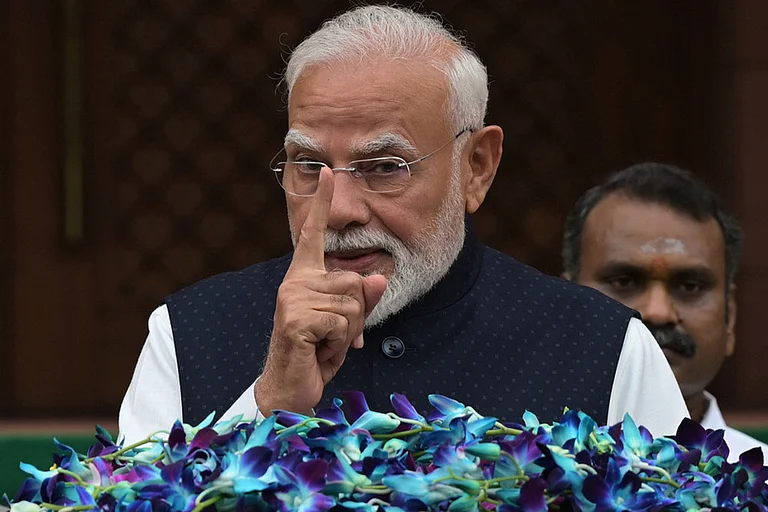
Why Did Mark Zuckerberg Apologise?
The latest controversy began after Meta briefly restricted the Facebook version of Prime Minister Narendra Modi's July 23 selfie video before restoring it.
According to the company, its AI-driven moderation system mistakenly flagged and temporarily removed the original upload while reviewing reposts and derivative clips. Meta described the episode as a technical or operational error.

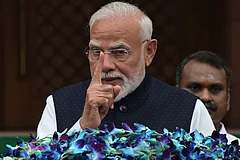
The Ministry of Electronics and Information Technology (MeitY) termed Meta's explanation "not reasonable" and summoned the company's global executives. According to the Centre, the matter went beyond Meta's India operations.
The Parliamentary Standing Committee on Communications and Information Technology subsequently gave Meta chief executive Mark Zuckerberg three days to apologise over the incident and initiate action against those responsible. According to sources, the committee warned that failure to do so could prompt it to recommend the withdrawal of Meta's safe harbour protection.
Committee chairman and BJP MP Nishikant Dubey reportedly described the temporary removal of the Prime Minister's video as an "attack on democracy", arguing that the post represented not merely the Prime Minister but "the voice of 1.4 billion Indians".
Meta later issued a formal apology to the Indian parliamentary panel and government officials.
The PM Modi Video Controversy
Prime Minister Modi's July 23 selfie video, first uploaded on Instagram before appearing on Facebook, was aimed at Gen Z and addressed concerns over examination paper leaks amid protests led by the satirical Cockroach Janta Party (CJP).
Although the Facebook version was briefly restricted, Meta restored the post after public criticism. The company maintained that the removal resulted from an automated moderation error rather than any deliberate decision.
The Centre nevertheless demanded stronger safeguards to ensure such incidents do not recur and sought greater accountability from Meta's global leadership.
Nitin Gadkari's Deepfake Case
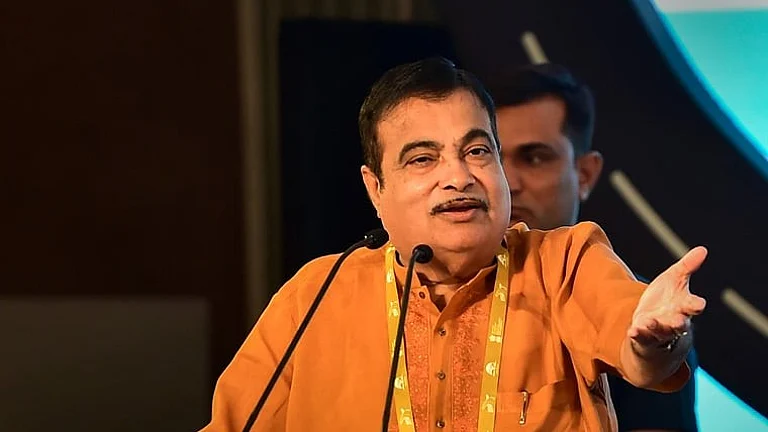
The debate over platform responsibility gained further attention after the Bombay High Court granted interim relief to Union Minister Nitin Gadkari in his civil defamation suit against Meta, Google, X and unidentified persons over AI-generated deepfake videos.
Justice Arif Doctor directed the platforms to immediately remove what the court described as "vile, abusive, obscene and defamatory" posts falsely alleging that Gadkari and his family had financially benefited from the Centre's ethanol-blended petrol (E20) policy.
During the hearing, the court questioned whether technology companies possessed adequate mechanisms to identify and voluntarily remove such material without forcing victims to approach courts.
The High Court observed that such material "should have no place on a public platform" and indicated that online intermediaries ought to develop systems capable of promptly detecting and removing abusive content.
Gadkari has sought Rs 11 crore in damages, arguing that the AI-generated content caused irreparable harm to his reputation. His petition states that the ethanol-blending programme falls under the Ministry of Petroleum and Natural Gas and that the allegations circulating online are false and defamatory.
Child Abuse Content And Meta Under Scrutiny
A BBC Eye investigation alleged that Instagram's recommendation and advertising systems had approved advertisements promoting child sexual abuse material in India, prompting regulatory action by the Centre.
According to the investigation, a newly created Instagram account that followed a small number of suggestive but legal accounts was subsequently shown advertisements allegedly directing users towards child sexual abuse material through Telegram channels.
Following the report, MeitY directed Meta to immediately disable all advertisements and content promoting or facilitating child sexual exploitation and abuse material and sought a detailed explanation within seven days.
The ministry also summoned Meta representatives to explain how such advertisements were approved and displayed.
Meta denied knowingly permitting such advertisements. The company said it had removed the advertisements identified by the BBC, suspended the responsible accounts, blocked offending URLs and reiterated that it maintains a zero-tolerance policy towards child exploitation.
The company also stated that it continues to report suspected child exploitation cases to the US-based National Center for Missing and Exploited Children (NCMEC), while acknowledging that "no system is perfect".

Safe Harbour
The recent controversies have revived debate over the legal protection known as "safe harbour".
Under Section 79 of the Information Technology Act, 2000, online intermediaries are generally protected from legal liability for third-party content hosted on their platforms, provided they comply with statutory due diligence obligations prescribed under the Information Technology (Intermediary Guidelines and Digital Media Ethics Code) Rules, 2021.
The Parliamentary Committee also warned that major social media platforms, including Google, YouTube, X, Facebook, WhatsApp, Instagram and Snapchat, must comply with Indian laws relating to child sexual abuse material (CSAM) and content linked to crimes against women.
Can Meta Actually Lose Safe Harbour?
While parliamentary warnings have intensified political pressure on Meta, the legal position remains distinct.
Neither the Information Technology Act, 2000, nor the Information Technology Rules expressly empowers a Parliamentary Committee to revoke or recommend the withdrawal of safe harbour protection.
The committee's powers arise from its constitutional oversight functions and the Rules of Procedure and Conduct of Business in Parliament. Safe harbour protection, however, continues to be governed by Section 79 of the Information Technology Act, 2000, and Rule 7 of the Information Technology (Intermediary Guidelines and Digital Media Ethics Code) Rules, 2021.
Rule 7 provides that an intermediary may lose safe harbour protection if it fails to observe the due diligence requirements prescribed under the Rules.
The recent controversies have renewed debate over intermediary liability, AI moderation and the scope of safe harbour protections under India's digital laws.