



Repeated disruptions during Monsoon Session 2026 have raised concerns over Parliament’s cost, productivity and legislative functioning.
Estimates suggest stalled proceedings may cost crores, while expenses on staff, security and infrastructure continue during adjournments.
Experts warn disruptions weaken debate, accountability and law-making, affecting Parliament’s constitutional role in a democracy.
Repeated disruptions, slogan-shouting and adjournments have once again brought the functioning of Parliament under scrutiny, raising questions over the financial cost of stalled proceedings and the impact on legislative productivity.
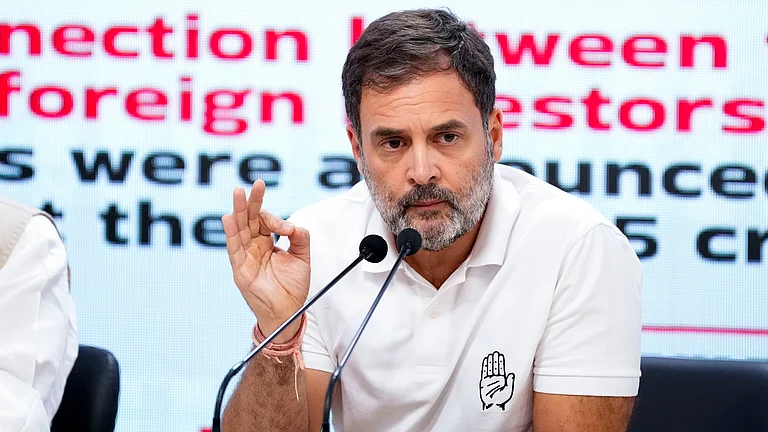
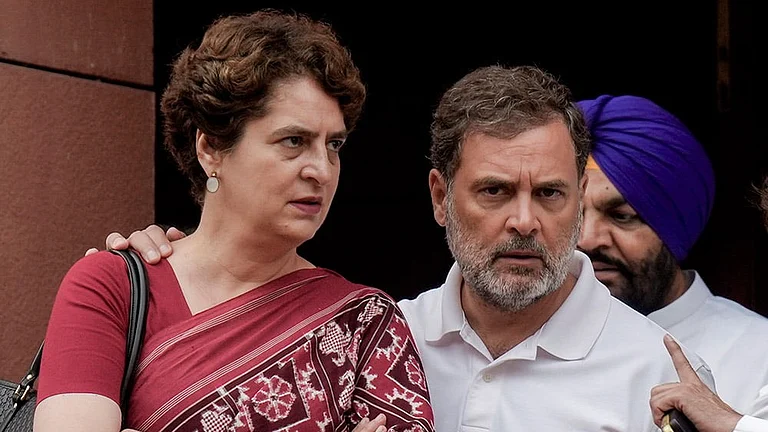
During the ongoing Monsoon Session 2026, protests over issues including the NEET UG paper leak and the Ram Mandir donation theft have led to repeated disruptions in both Houses. BJP MP Sambit Patra has alleged that the Opposition’s protests have repeatedly disrupted Question Hour and Zero Hour, depriving MPs of the opportunity to raise issues of public importance.
Cost Of A Disrupted Parliament
A frequently cited estimate, based on figures provided by former Parliamentary Affairs Minister Pawan Kumar Bansal in 2012, puts the cost of running Parliament at around Rs 2.5 lakh per minute. The calculation translates to nearly Rs 1.5 crore for every hour of functioning and about Rs 9 crore for a six-hour sitting day when both Houses of Parliament are in session.
The estimate was derived from an earlier assessment by the Lok Sabha Secretariat in 2008. Though the figures are more than a decade old and may not capture the present-day cost of running Parliament, they remain the most widely used reference point in the absence of any updated official estimate. Researchers and policy analysts continue to rely on these numbers to gauge the financial impact of disruptions that eat into parliamentary time.



Impact On Parliamentary Work
The repeated disruptions have affected the ability of Parliament to conduct legislative and oversight functions.
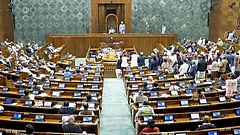
During the current Monsoon Session, which began on July 20, both Houses have faced frequent interruptions. In the first week, Lok Sabha functioned for only 1.6 hours, around 5% of its scheduled time, while Rajya Sabha functioned for 1.7 hours, around 6 per cent of the allotted time.
The Question Hour and Zero Hour have not functioned during the session because of continuous uproar.
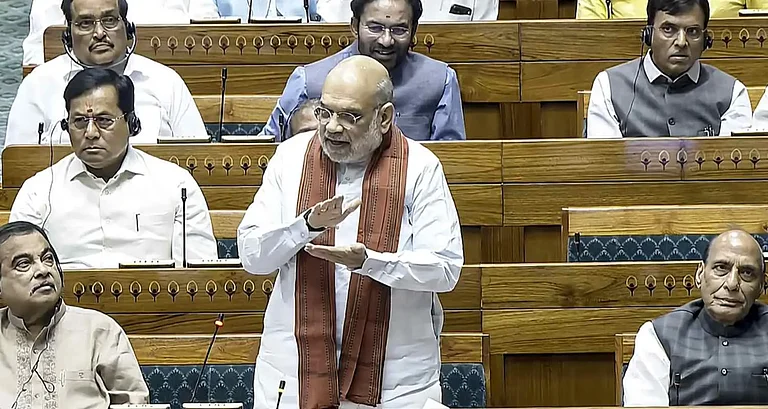
On July 27, both Houses were adjourned for the entire day. On July 31, the Registration of Births and Deaths (Amendment) Bill was passed in Lok Sabha without debate, after which both Houses were adjourned early.
According to PRS Legislative Research, disruptions reduce Parliament’s ability to scrutinise government functioning, debate legislation and raise matters of public importance. The organisation noted that when parliamentary time is lost, MPs are unable to question ministers effectively and Bills may either pass without detailed discussion or remain pending.
'Disruptions Can't Be A Parliamentary Privilege'
Disruptions have long been part of parliamentary politics, with parties using protests to highlight issues they consider important. However, former Rajya Sabha Chairman M. Venkaiah Naidu argued in 2021 that disruptions cannot be considered a parliamentary privilege.
Delivering the Ram Jethmalani Memorial Lecture, Naidu said disruptions of proceedings amount to contempt of the House and prevent Parliament from performing its constitutional role.
“Privileges are enabling rights of members to put across the views and voice the concerns of their constituents,” Naidu said, adding that these rights were meant to help MPs perform their duties effectively.
He argued that disruption prevents other members from participating, delays law-making and affects the functioning of Parliament. According to him, “functional legislatures and not disrupted ones” are required to effectively represent citizens.
Naidu also highlighted declining productivity in the Rajya Sabha. He said the House’s productivity, which had remained above 100% in several years between 1978 and 1996, had declined over time. He noted that productivity during 2004-14 was around 78% and had fallen to about 65% afterwards.
A Growing Concern For Parliamentary Democracy
The debate over disruptions goes beyond lost hours and financial estimates. PRS Legislative Research has pointed out that Parliament is where disagreements are expected to be addressed through discussion and consensus-building. It noted that contentious issues are part of every democracy, but institutions must provide space for debate.
Naidu also urged political parties and stakeholders to introspect and work towards restoring the dignity and credibility of parliamentary institutions.
As disruptions continue to shape parliamentary proceedings, the central question remains whether Parliament can fulfil its constitutional role of holding governments accountable, making laws and representing citizens’ voices.
The current Monsoon Session of Parliament, which began on July 20 and is scheduled to continue until August 13, 2026, is currently underway. The session has a total of 19 scheduled sittings.














