Jharkhand students are protesting alleged irregularities in JPSC and JSSC recruitment examinations.
Protesters demand a CBI inquiry, transparent recruitment and punishment for those responsible.
The movement has gained support from political parties, civil society and coaching institutes.
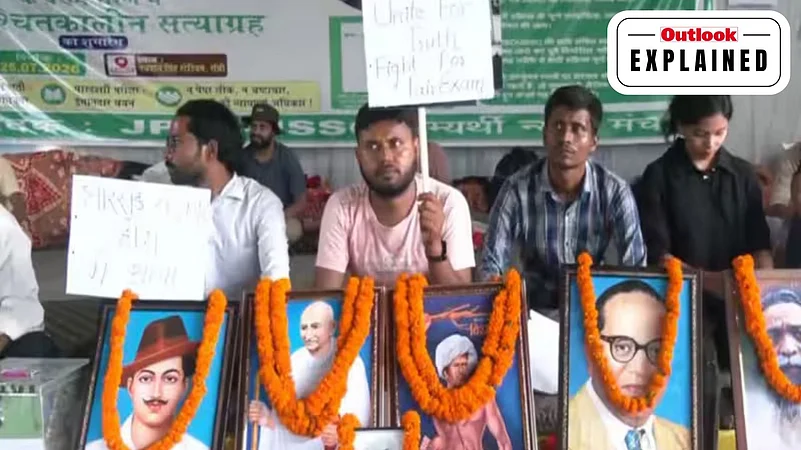
A protest that began as a small gathering at Ranchi’s Bapu Vatika has grown into a wider movement over alleged irregularities in Jharkhand’s recruitment examinations. Similar to recent NEET agitation in Delhi, aspirants are demanding an investigation into the Jharkhand Public Service Commission (JPSC) controversy and wider reforms in the state’s recruitment system.
The mobilisation comes days after protests over alleged NEET irregularities resulted in Union Education Minister Dharmendra Pradhan’s resignation on July 25. In Jharkhand, where lakhs of young people appear for government recruitment tests each year, the Delhi movement appears to have provided both a model and fresh momentum for collective action.
What Triggered the Jharkhand Protests?
At the centre of the agitation are allegations of paper leaks and procedural irregularities in examinations conducted by the JPSC and the Jharkhand Staff Selection Commission (JSSC). The latest controversy concerns the 14th JPSC Combined Civil Services Examination, whose preliminary results prompted questions over OMR sheets, the examination agency and the approval process.
The CID subsequently searched the JPSC office and premises linked to the agency conducting the examinations. According to details provided by the protesters, 11 people have been arrested. JPSC Chairman Lalbiaktluanga Khiangte also resigned amid the investigation, while the civil services main examination scheduled for July 25 to 27 was postponed.


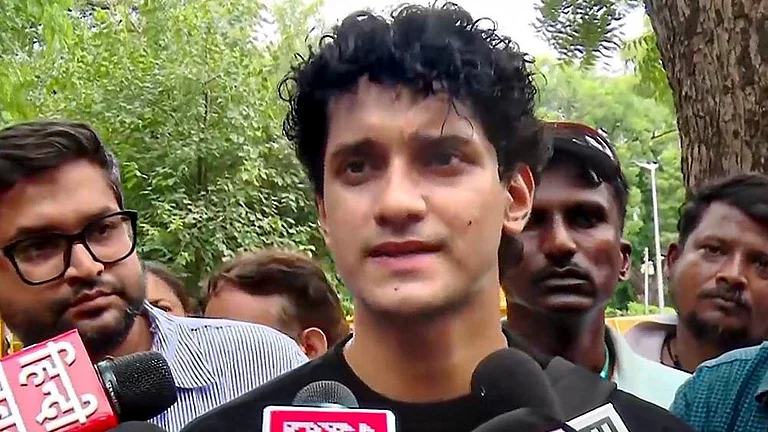
For the protesters, this is not an isolated controversy. Aspirants have repeatedly complained about leaked papers, delayed results, postponed examinations and evaluation disputes. Student protester Archana Kumari told Times of India, “Merely resigning won't ensure accountability; you have to be accountable. Transparency must be brought into the system.”

What Are the Students Demanding?
The mobilisation is being led under student banners including the JSSC-JPSC Bhrashtachar Mukht Abhiyan and the JPSC-JSSC Candidates Justice Forum. An indefinite satyagraha has been underway at Bapu Vatika, with organisers including student leader Dinbandhu Mahato and JLKM leader Devendra Mahato.
The protesters want the matter investigated by the Central Bureau of Investigation rather than only by the state CID. They argue that an independent probe is necessary to uncover the entire network and hold those responsible accountable.
Their other demands include stringent punishment for those responsible, time-bound recruitment, cancellation of compromised examinations and greater transparency in future appointments. The students maintain that their movement is apolitical and neither supports nor opposes any party.
On July 29, protesters marched from Bapu Vatika to Parmveer Albert Ekka Chowk, where they read the Preamble to the Constitution and sang the National Anthem. They have warned of beginning an indefinite hunger strike on August 2 if the government fails to respond.
Why Is the Agitation Growing?
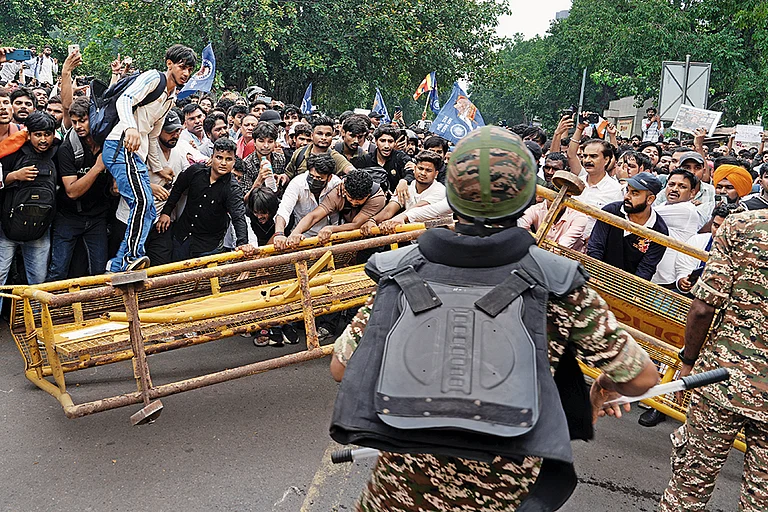
The allegations affect a large number of aspirants whose employment prospects depend on state examinations. What began with around 50 to 60 protesters is expected to draw candidates from across Jharkhand, along with support from coaching institutes, student organisations and civil society groups.
A Special Branch communication dated July 28 warned that the agitation could intensify during the Assembly’s Monsoon Session. Hundreds of aspirants are expected to march to the Jharkhand Vidhan Sabha on August 6. Deputy Commissioners, Superintendents of Police and the Railway Police have consequently been placed on alert.
How Has the Issue Become Political?
Although the students describe their movement as apolitical, the controversy has become a confrontation between the ruling coalition and the Opposition. The BJP has announced statewide protests by its youth wing, the Bharatiya Janata Yuva Morcha, demanding a CBI investigation into recruitment examinations held over the past six years.
“BJP fully supports the students protesting against alleged irregularities in examinations conducted by the JPSC and the JSSC,” BJP general secretary Amar Bauri said. Calling the CID inquiry an “eyewash”, he demanded cancellation of the disputed examinations and Chief Minister Hemant Soren’s resignation on moral grounds.
BJP MP Sanjay Seth also backed the demand, saying, “Thousands of students in Jharkhand have been staging a sit-in protest for the past five days, even amidst heavy rain. Their sole demand is a CBI inquiry.”
The Congress has accused the BJP of attempting to politically appropriate the agitation. State Congress media in-charge Rakesh Sinha said young people had been worst affected by “paper leaks, unemployment and recruitment scams” during the BJP-led government’s decade at the Centre. “This is shamelessness,” he said.
What Happens Next?
Chief Minister Hemant Soren has said that “strict action will be taken against the guilty”. But the students are seeking a response that goes beyond arrests and resignations.
The August 6 march will test whether the state opens negotiations, expands the investigation or announces recruitment reforms. After Delhi, Jharkhand’s aspirants are trying to turn anger over one disputed examination into a broader campaign for credibility, accountability and fairness in public recruitment.
A tighter headline, summary, strapline and SEO package can be prepared for publication next.