India said Pakistan admitted that its trained “mujahideen” have now turned their guns against the Pakistani state.
MEA accused Islamabad of using “ruthless force” against protesters in PoJK.
India urged the international community to scrutinise Pakistan’s actions and seek accountability.
India on Friday said Pakistan had admitted its terrorism-linked activities, as New Delhi stepped up criticism of Islamabad over the crackdown on protesters in Pakistan-occupied Jammu and Kashmir (PoJK).
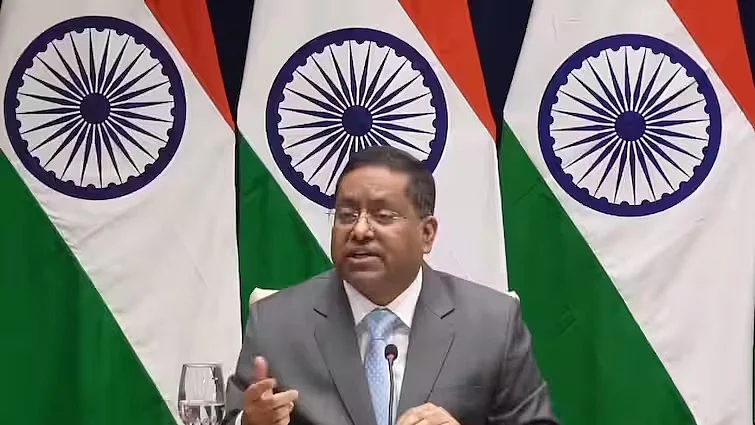
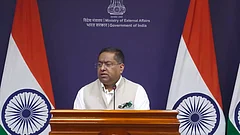
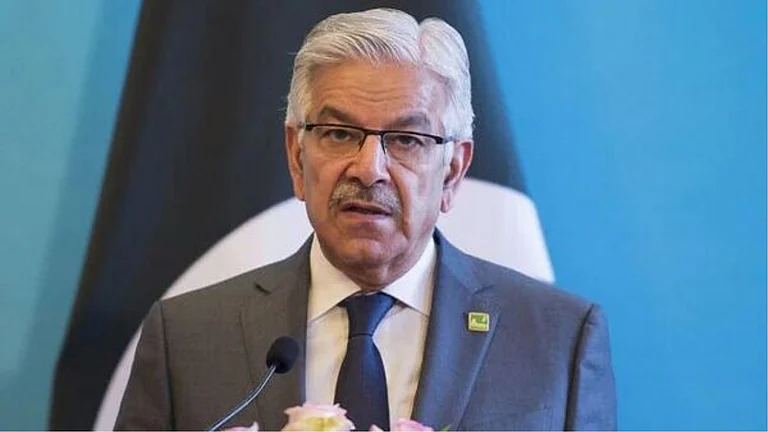
Addressing the Ministry of External Affairs’ weekly media briefing, spokesperson Randhir Jaiswal cited remarks by Pakistan’s Special Assistant to the Prime Minister on Political Affairs.
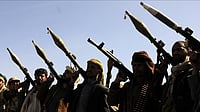
“The Special Assistant of the Prime Minister (of Pakistan) on Political Affairs has openly admitted that the very Mujahideen that the Pakistani establishment trained, funded, armed, and sent to India have turned their guns inwards, weaponising themselves against the state,” Jaiswal said.
The MEA spokesperson linked the remarks to the unrest in PoJK, where protests have intensified over rising living costs, alleged administrative neglect, political discrimination and concerns over the treatment of minorities.
India Accuses Pakistan Of ‘Ruthless’ Crackdown
Jaiswal accused the Pakistani establishment of using “ruthless force” against protesters in PoJK and called for international scrutiny of Islamabad’s actions.
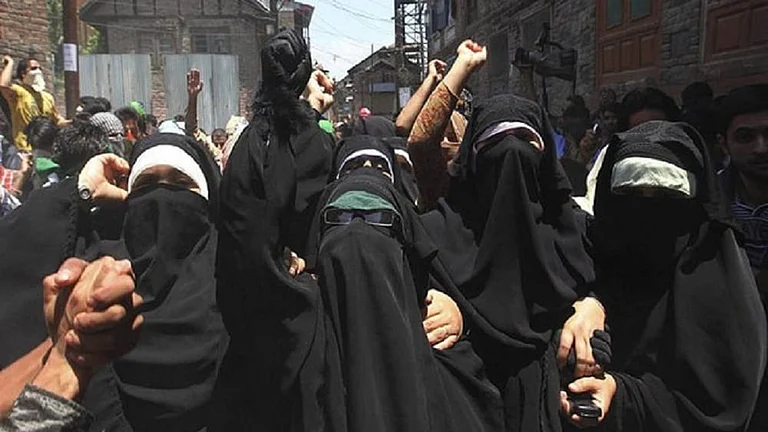
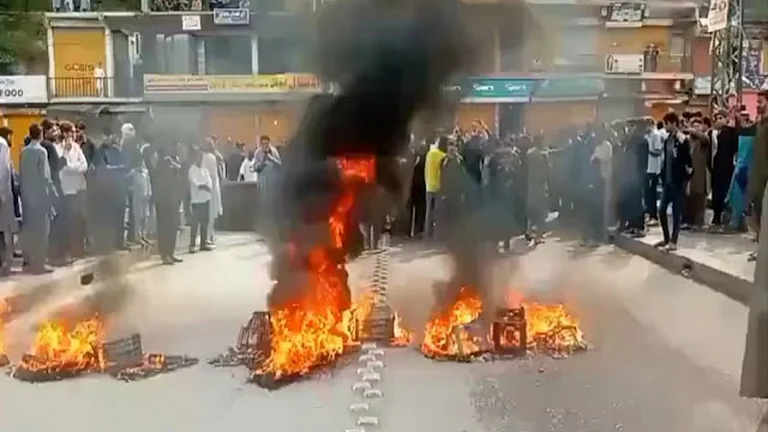
“As you and all of us have witnessed, the Pakistani establishment continues to unleash ruthless force against peaceful civilians in Pakistan-occupied Jammu and Kashmir. This crackdown has resulted in the tragic death of over 40 innocent people, and many more have been seriously injured,” he said.

According to PTI, around 40 people have been killed since July 27 during a security crackdown amid local body elections in PoJK. The protests are being led by the Joint Awami Action Committee.
Jaiswal also referred to remarks allegedly made by Pakistan’s defence minister describing protesters as “enemies”, saying this reflected the establishment’s “absolute disdain” for people in the region.
“It's the establishment's absolute disdain for the innocent people of Pakistan-occupied Jammu and Kashmir that was laid bare when their Defence Minister branded the protesting civilians as enemies,” he said.
MEA Seeks International Scrutiny
The MEA spokesperson described the local body election outcome as a “humiliating rejection” of Pakistan’s establishment and said people in PoJK had sought an independent investigation into the deaths.
“We urge that the international community should scrutinise Pakistan's actions and hold it accountable for its atrocities,” Jaiswal said.
India’s remarks came amid heightened attention on the violence in PoJK and renewed diplomatic exchanges over how the region is described internationally.
‘Entire J&K Is An Integral Part Of India’
Jaiswal also reiterated India’s position that the entire region of Jammu and Kashmir, including the Union Territories of Jammu and Kashmir and Ladakh, is an integral part of India.
“We are very clear that the entire region of Jammu and Kashmir, the Union Territories of Jammu and Kashmir and Ladakh, is an integral and inalienable part of India. That is our position,” he said.
“These territories were part of India, are part of India, and will continue to be part of India. We would urge all our partners and stakeholders to use the correct nomenclature for the region as we understand it,” Jaiswal added.
India Objects To ‘Pakistani Kashmir’ Reference
The remarks came days after India objected to The New York Times describing Pakistan-occupied Kashmir as “Pakistani Kashmir” in a headline about the violence in the region.
The Indian Embassy in the United States criticised the wording on X, saying, “Misleading and incorrect headline by @nytimes. There is no Pakistani Kashmir, only Pakistan-occupied Kashmir.”
The embassy also accused Pakistan of illegally occupying parts of the region and using violence against people living there.
Pakistan responded through its embassy in Washington, rejecting India’s position as “illegal and baseless”. Islamabad reiterated that Jammu and Kashmir remained an “internationally recognised disputed territory” and accused India of attempting to divert attention from alleged human rights violations in Jammu and Kashmir.