India termed the PoJK elections a "cosmetic electoral exercise", rejecting Pakistan's claims over the region.
MEA linked ongoing protests in PoJK to alleged economic exploitation, rights violations and administrative oppression.
India's response followed reports that at least 20 anti-election protesters were killed in Rawalakot.
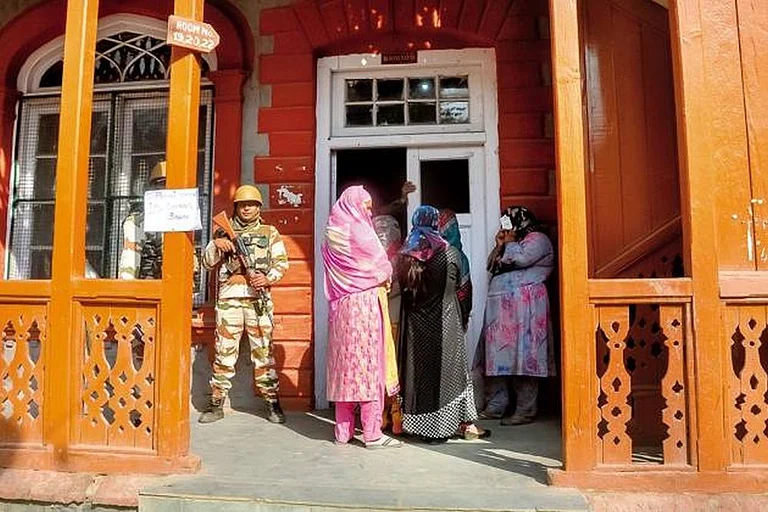
India on Tuesday dismissed the legislative assembly elections in Pakistan-occupied Jammu and Kashmir (PoK) as a "cosmetic electoral exercise", saying they were an attempt by Pakistan to "camouflage its illegal occupation" of the region.
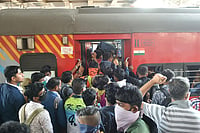
The Ministry of External Affairs (MEA) reaction came after reports that at least 20 people were killed and hundreds injured when Pakistani security forces allegedly opened fire on anti-election protesters in Rawalakot during demonstrations against the polls.
MEA Rejects PoK Elections
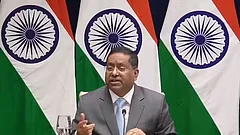
MEA spokesperson Randhir Jaiswal said India had taken note of reports regarding the "so-called legislative assembly elections" being conducted in Pakistan-occupied Jammu and Kashmir.
"The entire Union Territories of Jammu, Kashmir and Ladakh, including the areas currently under illegal and forcible occupation of Pakistan, are integral parts of India," Jaiswal said.
Describing the exercise as a "cosmetic electoral exercise", he said it was "nothing but an attempt by Pakistan to camouflage its illegal occupation and hide its grave human rights violations in the region".
Jaiswal further said that the ongoing protests in Pakistan-occupied Jammu and Kashmir were "the direct consequence of its economic exploitation, its denial of fundamental rights to the people and its administrative oppression".
Reports Of Deadly Crackdown
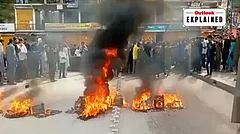
The MEA's remarks came after reports of a violent crackdown on anti-election protesters in Rawalakot, Pakistan-occupied Kashmir.
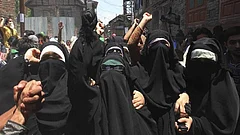
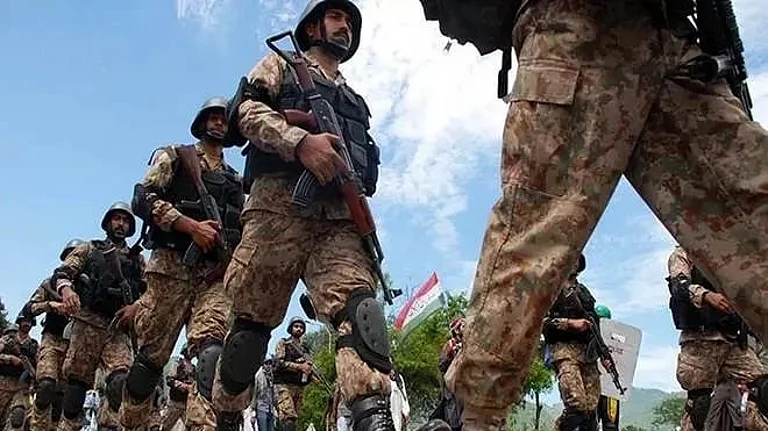
According to News18, citing the Jammu Kashmir Joint Awami Action Committee (JKJAAC) and local activists, at least 20 people were killed and hundreds injured after Pakistani security personnel allegedly opened fire on demonstrators in the Dreik Eidgah area, where residents had boycotted the local elections.
Protest groups alleged that the military, Punjab Rangers and police used live ammunition, long-range tear gas and snipers against demonstrators. These claims have not been independently verified, and Pakistani authorities have not issued a detailed public response.

Blackout And Barricades
Protesters barricaded the main entry routes into Rawalakot to stop more security units from entering the city.
Authorities imposed a strict communications blackout, cutting electricity, internet access and mobile networks across parts of the region.
"Cellular services are down, internet services are down, and forces have even cut off the electricity," a local protester said, in remarks reported by News 18, urging independent journalists and international organisations to focus attention on Rawalakot.
Demonstrators condemned the severity of the state action. "The tale of oppression you have written on the soil of Rawalakot today has no parallel in history," a protest speaker said.
Protest Movement Persists
Agitation continues despite the mounting death toll. Sardar Umar Nazir Kashmiri, a core member of the JKJAAC, vowed that their long march would proceed.
"We will not stop. We will seek justice for the blood of our martyrs," Kashmiri said.
Security forces killed Kashmiri's brother, Usman Nazir, in the violence. Another activist, identified only as Mushtaq's son, was also confirmed dead following the crackdown.
More protesters are currently entering Rawalakot. The JKJAAC planned to announce its next strategy at Maqbool Butt Shaheed Chowk.
Opposition Slams Crackdown
Political leaders in Pakistan heavily criticised the state response. Jamiat Ulema-e-Islam (F) chief Maulana Fazlur Rehman condemned the violence.
He accused state institutions of failing to address the crisis before it escalated into bloodshed.
"Firing on their own unarmed people by forces intoxicated with power is open terrorism," Rehman said.
He further alleged that the people of PoK had rejected what he described as "rigged elections" and questioned why those demanding their rights continued to be labelled foreign agents.
"The state must immediately stop the oppression and grant the people their right to legitimate protest," Rehman said, adding that his party stood "shoulder to shoulder" with the people of Kashmir.
Many of the claims regarding casualties, the communications blackout and the actions of Pakistani security forces have been made by protest groups and local activists, and have not been independently verified. Pakistani authorities have not yet issued a detailed public response regarding the allegations of violence and the widespread blackouts.
( MEA's reaction was added later)