Dubai, which welcomed a record 19.59 million international visitors in 2025, is now facing a sharp tourism slowdown as regional tensions following the Iran conflict disrupted travel and dented visitor confidence. Hotel occupancy rates have fallen significantly in recent weeks, prompting the emirate to roll out incentives aimed at reviving tourist arrivals.
According to CNN, hotel occupancy fell from around 80 per cent to a projected 10 per cent as the conflict between Israel and Iran disrupted flights and raised security concerns across the region.
A destination considered a safe haven for tourists has been dented and to fix it, a new program is offering UAE residents and citizens reward packages worth up to AED 3,000 (around USD 816) in exchange for nominating relatives or friends to come and visit Dubai- the ‘Dubai Invite’.
What Is A ‘Dubai Invite’?
“A Dubai Invite” scheme, which was launched earlier this month, permits those aged 18 and above with a valid Emirates ID to recommend up to three guests for stays commencing between now and October 31, with incentives including hotel stays and dining offers.
“At a time when personal connection and credibility matter more than ever in travel decisions, ‘A Dubai Invite’ speaks directly to what makes this city enduringly compelling: the people who call it home and who understand it best, and the families and friends they welcome here to experience it for themselves,” Noor Al Geziry, AVP, Special Projects & MENA at the Dubai Department of Economy and Tourism (DET), said in a statement quoted by CNN.



Influencers like YouTuber and beauty editor Lauren O’Connell welcomed the move. “I think it’s a very positive initiative,” O’Connell, who moved from the US to Dubai in 2009, said.
She added, “I’ve invited family members who’ve been talking about visiting Dubai over the past few years. It gives people who already love living in Dubai an extra reason to encourage friends and family to make the trip.”
Why Had Dubai Introduced This Scheme?
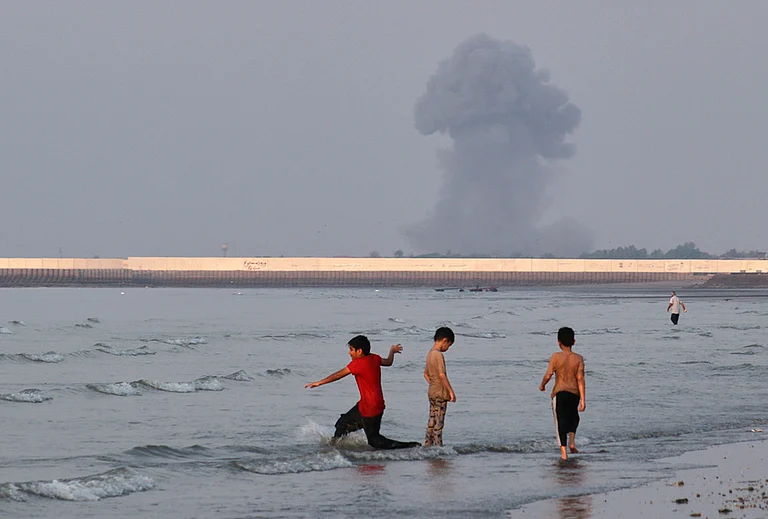
Dubai is now trying to revive its tourism sector after the Iran-Israel conflict disrupted travel across the Gulf. Although most of Iran's missiles targeting US bases were intercepted, some strikes caused damage in the region, including to the five-star Fairmont The Palm resort and the Jumeirah Burj Al Arab hotel, which is now closed for an 18-month restoration programme, according to CNN.
Although Dubai may repair its structural damage, the reputational damage is much harder to rebuild.
“This is Dubai’s ultimate nightmare as its very essence depended on being a safe oasis in a troubled region,” Cinzia Bianco, an expert on the Arabian Peninsula and the Gulf region at the European Council on Foreign Relations, wrote in a post shared on X earlier this year.
“There might be a way to be resilient but there is no going back,” she added.
Why Use Residents To Promote Tourism?
As Dubai’s glitzy image went up in smoke during the attacks, travel warnings are still in place for Dubai from other countries. For example, the US advised its citizens to reconsider visiting the country.
“I think it has created hesitation rather than fundamentally damaged confidence in the UAE itself. International audiences often view the Middle East as one broad region rather than distinguishing between countries,” Naim Maadad, founder and CEO of Gates Hospitality, which includes resort and restaurant brands like Six Senses Zighy Bay in Oman and Ultra Brasserie in Dubai, told CNN.
Will Incentives Be Enough?
According to Visit Dubai, nominated visitors must live outside the UAE, hold a valid tourist visa and arrive by air, sea, or road. Even after the setbacks, influencers continue answering questions about the missile impacts on the country with razzmatazz of their daily life- a reputation associated with plush lifestyle of Dubai.
Sharing scenic footage and reassuring clips of its leaders, they insist they’re unafraid, occasionally augmenting their posts with eyebrow-raising explanations such as, “because I know who protects us,” as reported by CNN.
Maadad went on to stress that UAE “continues to demonstrate stability, infrastructure strength and operational continuity,” before adding that while airports, hotels, restaurants and attractions in the destination “remain fully functional,” today, “the bigger challenge is psychological.”