Former JNUSU president Aishe Ghosh filed a petition in the Delhi High Court alleging police subjected student protesters to continuous surveillance at Jantar Mantar.
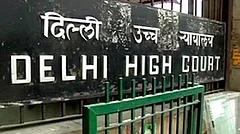
A Delhi High Court bench comprising Chief Justice DK Upadhyaya and Justice Tejas Karia will hear the matter on Tuesday.
The court suggested filing a broader petition to examine the existing legal framework and guidelines governing police surveillance practices.
The Delhi High Court will hear a petition on Tuesday alleging that police subjected student protesters to surveillance. Former JNU Students’ Union president Aishe Ghosh filed the petition. A bench of Chief Justice DK Upadhyaya and Justice Tejas Karia will hear the matter.
The student protest, led by the Cockroach Janata Party (CJP), was called off on Saturday after Union Education Minister Dharmendra Pradhan resigned and the central government accepted the other demands of the protesters.
Court Suggests Broader Petition
During a hearing on Monday, the court suggested filing a comprehensive petition seeking guidelines for such police surveillance practices. The bench stated that such a petition would enable it to examine the existing framework governing police surveillance and assess whether the provisions in place are adequate or require further scrutiny.
"Better file a petition where we can examine what provisions are there in place. If they are adequate, not adequate. This petition as we understand was confined to a particular aspect. Things have cooled down, let them cool down further," the bench of Chief Justice DK Upadhyaya and Justice Tejas Karia stated.


The central government argued that the petition had become infructuous. "It’s over. It’s no longer continuous," Additional Solicitor General Chetan Sharma said.
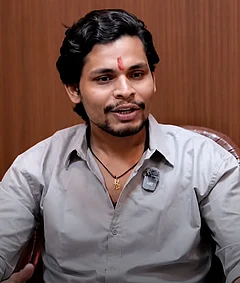
Nandita Rao, representing Ghosh, pressed for the petition, seeking directions to the police to disclose their statutory authority, specific security threat assessments, the purpose and scope of the collection, the retention policy, and the data-sharing protocols governing the collected data.
Surveillance Sparked Student Stir
The protests began on June 20, with students demanding Pradhan’s resignation over alleged irregularities in the examination system.
Police constantly filmed and photographed the demonstrators, Ghosh said. Her petition added that a permanent surveillance tower at the site monitored them 24 hours a day.
Delhi Police opposed issuing a court notice. The force stated that filming is a routine security measure at the venue to maintain public order rather than a tactic targeting the CJP demonstration.