India is set to host Myanmar’s junta chief Senior General Min Aung Hlaing for high-level talks, signalling continued engagement with the military regime.
The exiled National Unity Government (NUG) of Myanmar has sharply reacted, calling Hlaing a “terrorist junta leader” and criticising India’s decision.
The visit is being seen as part of India’s pragmatic approach to secure its northeastern border, counter Chinese influence, and address security concerns along the Indo-Myanmar border.
India is preparing to host Myanmar’s military ruler Senior General Min Aung Hlaing for official talks, a move that has drawn sharp criticism from the country’s exiled civilian government.
According to government sources, Hlaing is expected to visit India in the coming weeks. The visit is significant as it comes at a time when the Myanmar military junta continues to face international isolation following the 2021 coup.
The National Unity Government (NUG), which represents the ousted civilian leadership and operates from exile, strongly condemned India’s decision. In a statement, the exiled government described Min Aung Hlaing as a “terrorist junta leader” responsible for widespread atrocities against civilians.
Despite global criticism of the Myanmar junta, India has maintained a policy of engagement with all stakeholders in its eastern neighbour. New Delhi is particularly concerned about the growing instability along the India-Myanmar border, infiltration by insurgent groups, and increasing Chinese influence in the region.
Officials believe that direct engagement with the military leadership is necessary to safeguard India’s security interests, promote border management, and advance connectivity projects such as the Kaladan Multi-Modal Transit Transport Project.



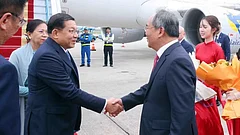
The Ministry of External Affairs is yet to issue a formal statement on the visit. However, sources indicate that discussions during Hlaing’s visit are expected to focus on border security, counter-insurgency cooperation, and bilateral trade.
The development highlights the delicate balancing act India continues to perform in its neighbourhood — maintaining strategic ties with the de facto rulers in Myanmar while facing pressure from pro-democracy voices and Western countries.