The Indian-flagged VLCC Lila Vadinar, carrying 2 million barrels of Kuwaiti crude, was among at least four oil and gas tankers that reversed course after attacks on vessels near the Strait of Hormuz.
The diversions came as US President Donald Trump declared the ceasefire with Iran was effectively "over".
It triggering a fresh spike in oil prices over fears of prolonged disruption to one of the world's most critical energy shipping routes.
An Indian-flagged oil tanker was among at least four vessels that turned back from the Strait of Hormuz after a series of attacks on commercial ships heightened security concerns along one of the world's busiest energy corridors.
According to Reuters ship-tracking data, the Very Large Crude Carrier Lila Vadinar, carrying about 2 million barrels of Kuwaiti crude, made a U-turn off the coast of Oman on Wednesday instead of entering the strait.
The diversions followed attacks on a Qatari liquefied natural gas tanker and a Saudi-flagged crude oil tanker on Tuesday after reports that Iran fired missiles at vessels transiting the waterway. Maritime authorities subsequently raised the threat level for ships using the strait to "severe."
Three QatarEnergy-operated LNG carriers, Al Ghariya, Duhail and Al Ruwais, also reversed course late on Tuesday, according to shipping data from Kpler and LSEG, Reuters reported. The empty tankers had been heading towards Qatar's Ras Laffan export terminal to load LNG cargoes.


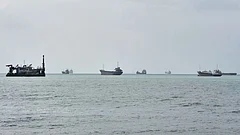

The disruption has begun affecting regional energy exports. Since fighting began in late February, only 16 LNG cargoes have departed from Ras Laffan and 10 from Abu Dhabi National Oil Company's Das Island terminal, well below the roughly 7 million metric tonnes typically exported each month from the two hubs.
Shipping analytics firm Vortexa said more than 10 empty vessels are now waiting near Ras Laffan to load cargoes, while over 50 QatarEnergy- and ADNOC-controlled tankers remain positioned across the Gulf, India and the Strait of Malacca. Some vessels have switched off their Automatic Identification System (AIS) signals for more than 10 days, as per Reuters.
Despite the disruption, some ships have managed to leave the region. The VLCC Mercury Hope, carrying 2 million barrels of Emirati crude, exited the Strait of Hormuz on Wednesday, while the VLCC Tenjun, loaded with 2 million barrels of Qatari crude, cleared the waterway late on Tuesday.
"As far as I'm concerned, it's over," Trump said when asked whether the truce remained intact.
"It's just a waste of time dealing with them," he added.
"I'll let our wonderful negotiators keep talking if they want, but I don't see it. I don't like these people."
Following Trump's remarks, global oil prices rose about 5%, extending gains as concerns mounted over the security of oil and gas shipments through the strategic waterway.