Pickleball introduced by Sunil Valavalkar, who founded the All India Pickleball Association (AIPA) in 2008
Early growth was driven by community initiatives, school workshops, and small tournaments
AIPA has since formalised the sport through units in over 20 states with standardised formats, ranking events
Pickleball’s growth in India has been steady over the past decade and a half, led first by enthusiasts introducing the sport at the community level and later by more structured efforts from the All India Pickleball Association (AIPA). What began as an experiment on makeshift courts is now a recognised recreational and competitive option across much of the country.
The sport first took root in India through Sunil Valavalkar, who encountered pickleball abroad in the late 2000s and believed it could appeal to a wide age group. In 2008, he founded the AIPA, laying the foundation for the sport’s organised presence in the country.
The early years were largely grassroots-led. Demonstration sessions, school workshops, and small local tournaments helped build awareness at a time when equipment and facilities were limited. These efforts produced India’s first group of players, coaches, and volunteers, forming the base from which the sport expanded.
Pickleball Enters Structured Phase
As interest increased, AIPA shifted its focus toward broader national development. Over the past few years, the association has strengthened its state-level units, bringing the sport into more than 20 states with standardised formats, ranking events, and age-group competitions.



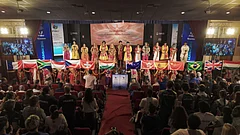
The international calendar has also opened up to Indian participation, with players and officials becoming more visible in tournaments and administrative roles across Asia, Europe, and the United States. Schools and universities have added pickleball to their physical activity programmes, helping widen the talent pool.
AIPA’s current president, Arvind Prabhoo, has overseen much of this period of consolidation. His tenure has coincided with India taking up more space in Asia’s pickleball structures and with the sport gaining traction among recreational and competitive players alike. While he also holds the position of President in Asian and global pickleball bodies, the focus remains on India.
The sport’s appeal continues to be rooted in accessibility. Courts have come up in clubs, housing societies, and public facilities, with participation rising across junior, senior, and para divisions. Corporate support, media coverage, and local league formats have all contributed to broader visibility.
Looking Ahead
As 2025 draws to a close, pickleball in India sits at an important stage. The sport is no longer niche, not yet mainstream, but expanding steadily with a more organised structure than ever before.
What began with a handful of enthusiasts now involves thousands of players and regular tournaments. The coming year will hopefully allow for more growth for pickleball in India as it continues on its current upward curve.