



Bangladesh board chief Aminul Islam reached Lahore to join talks with the PCB
The ICC has asked Pakistan to clarify its force-majeure position
Officials remain hopeful the India clash will eventually be played
The situation around Pakistan’s participation in its marquee T20 World Cup fixture against India continues to evolve, and fresh diplomatic movement is now underway. With global attention fixed on the February 15 showdown, cricket administrators have intensified back-channel talks to prevent the tournament from slipping into deeper uncertainty.
In the latest development, Bangladesh Cricket Board president Aminul Islam has landed in Lahore, signalling that multiple boards are attempting to cool tempers and push for dialogue rather than disruption. The high-stakes discussions are expected to unfold virtually, with key decision-makers from across the cricketing ecosystem involved.
ICC and regional boards push for common ground
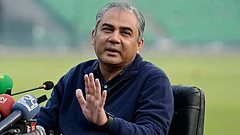
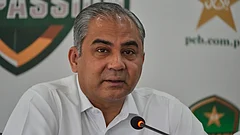
Aminul Islam has already met Mohsin Naqvi, the head of the Pakistan Cricket Board, and is set to participate in further conversations designed to persuade Pakistan to reconsider its refusal to face India. While Naqvi has remained guarded publicly, insiders suggest the temperature has lowered in recent hours.
Part of that shift is believed to have come after Sri Lanka Cricket formally reached out, urging Pakistan to step back from the boycott. The communication followed meetings involving ICC leadership, including chief executive Sang Gupta, and senior Sri Lankan officials, reinforcing the broader desire to protect the tournament’s biggest draw.
Force majeure debate leaves door open
The International Cricket Council has also asked Pakistan to clarify how a force-majeure argument could apply, particularly after the PCB indicated that government directives were central to its stance. That request for explanation is now part of a structured engagement process between the global body and the national board.
Despite the sharp rhetoric earlier in the week, there is renewed optimism. One ICC director indicated that, with negotiations now active and several influential voices calling for restraint, the expectation remains that the high-profile contest will ultimately go ahead, keeping the focus where many believe it belongs, on cricket rather than conflict.















