The US has imposed fresh sanctions on Iranian oil vessels and a newly established Iranian body overseeing Strait of Hormuz shipping traffic, even as Washington and Tehran moved closer to a tentative agreement to extend their ceasefire and ease restrictions on the critical waterway.
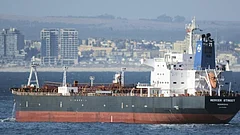
The Treasury Department sanctioned eight vessels involved in transporting Iranian crude oil and petroleum products, including the Marshall Islands-flagged tanker Flora, the Comoros-flagged crude carrier Hauncayo and the Panama-flagged Ill Gap.
More than 15 entities were also targeted, among them Worth Seen Energy in Hong Kong, Symphony Shipping and Maritime Management Inc in Dubai, and Mehdiyev Trading Co, also in Hong Kong.
Treasury said Worth Seen had been procuring refined petroleum products for the National Iranian Oil Company on behalf of Sepehr Energy Jahan — the oil sales arm of Iran's Armed Forces General Staff, which had already been subject to prior US sanctions.
"We will not allow the Iranian government to increase its oil revenue for the purpose of reconstituting its armed forces and military capabilities," Treasury Secretary Scott Bessent said.
In a separate action, the Treasury also sanctioned the Persian Gulf Strait Authority, a regulatory body Tehran established earlier this month to oversee shipping traffic through the strait following the outbreak of the war in late February. The department said the authority "spearheads an Iranian-controlled scheme that flagrantly violates international law and US sanctions," and warned that any entity cooperating with it risked exposure to sanctions for providing support to the Islamic Revolutionary Guard Corps, which Washington said ultimately benefits from what it described as an extortion scheme.


Strait Still Restricted
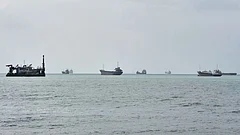
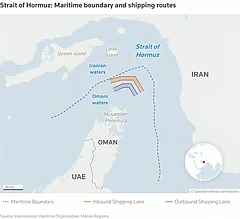
Since Iran's armed forces took control of the waterway shortly after the war began, shipping traffic through the strait has largely ground to a halt, contributing to a significant rise in global energy prices. The strait normally carries around 20% of the world's oil and gas. Tehran has consistently maintained that the waterway is not blocked, but in practice shipping companies must coordinate with Iranian contact points and are permitted only to use a narrow corridor close to the Iranian coastline — with reports suggesting Iran has been demanding substantial fees for passage.
Western governments, Gulf states and international shipping companies have opposed Iran's toll arrangements. The latest sanctions are likely to make shipowners even more reluctant to engage with the Persian Gulf Strait Authority, given that compliance would risk cutting them off from US dollar transactions and Western markets.
President Trump has not yet formally approved the broader ceasefire deal, which the US and Israel launched on February 28. Negotiations on a memorandum of understanding to formalise the ceasefire and gradually reopen the strait remain ongoing, with the uranium stockpile and asset unfreezing questions still unresolved.