U.S. and Iranian envoys are heading to Switzerland for ceasefire framework talks.
Israeli strikes in Lebanon continued shortly after a ceasefire took effect.
Negotiations aim to address Iran’s nuclear issue and wider regional conflict escalation.
U.S. and Iranian officials are travelling to Switzerland for negotiations aimed at advancing an interim ceasefire framework, even as Israeli strikes continued in Lebanon shortly after a truce came into effect, according to Reuters.
The diplomatic track involves U.S. President Donald Trump’s envoy Steve Witkoff and Iranian Foreign Minister Abbas Araqchi, who are expected to join discussions in Switzerland as part of efforts to convert a 14-point interim agreement into a broader regional settlement, Reuters reported. The initiative runs alongside continued military activity in southern Lebanon, where at least five people were killed in Israeli air strikes and drone attacks after the ceasefire began, Lebanese state media said.
According to Reuters, the proposed 60-day negotiation process is intended to address Iran’s nuclear programme and other disputes linked to the wider conflict that the United States and Israel launched on 28 February. A key condition of the framework is the maintenance of a ceasefire in Lebanon, which is seen as necessary for progress in the wider talks.
Witkoff is due to travel to Switzerland to join Jared Kushner, who is already there, while Araqchi is expected to arrive later on Saturday, Axios reported. Vice President JD Vance cancelled a planned trip earlier in the week as tensions involving Israel and Hezbollah remained high, Reuters reported.


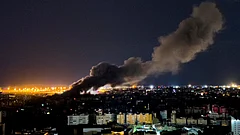


Reported Reuters, the Lebanon ceasefire took effect at around 4 p.m. (1300 GMT) on Friday following an exchange of fire, with confirmation from a senior U.S. official, as well as sources from Hezbollah and an Israeli official. However, shortly after it began, Israeli air strikes and drone attacks hit the Nabatieh area, damaging residential buildings, while artillery shelling was also reported in surrounding districts, according to Lebanon’s National News Agency (NNA). Israel did not immediately comment on the reports.
The Lebanese presidency and U.S. officials have linked the ceasefire to the wider diplomatic process under discussion. Before the latest strikes, U.S. Secretary of State Marco Rubio and Lebanese President Joseph Aoun discussed possible Israel-Lebanon negotiations in Washington from Tuesday to Thursday, Reuters reported. The Lebanese presidency said a comprehensive ceasefire remained a central element of the planned talks.
Iran has said the United States would be responsible for any breach of commitments under the arrangement, including failure to ensure an end to fighting in Lebanon. Araqchi made the remarks in a phone call with his Pakistani counterpart on Friday, according to Reuters. Israel, which is not part of the negotiations, has said it is not bound by the agreement.
The conflict in Lebanon escalated after Hezbollah opened fire on Israel on 2 March, prompting an Israeli offensive and ground operations in southern Lebanon. The war has drawn in regional actors and contributed to wider instability. Reuters reported that at least 7,000 people have been killed across Iran and Lebanon since the conflict began, most of them in those two countries.
Energy markets have reacted to the developments, with Brent crude falling around 8% over the week. Oil shipments through the Strait of Hormuz increased following the interim deal. The strait, which previously handled nearly a fifth of global crude oil and liquefied natural gas flows, was partially disrupted during the war. A body set up by Iran to manage the waterway said it would suspend planned fees during the negotiation period.


The draft agreement includes potential sanctions relief for Iran, the unfreezing of tens of billions of dollars in assets, and immediate U.S. waivers for oil exports. It also outlines a $300-billion reconstruction fund and additional financial measures tied to post-war recovery.
President Trump defended the agreement amid criticism in Washington, including from Republican lawmakers questioning its terms. “The War has diminished Iran!” Trump wrote on social media on Friday, adding, “We didn’t meet out of desperation, Iran did. They are FINISHED! We’ll play out the 60 days. They get no money, not 10 cents!”
(With inputs from Reuters)