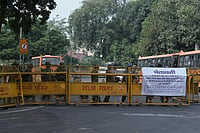
Iran's nuclear dispute with the West has evolved through decades of negotiations, sanctions and regional tensions.
• The 2026 US-Iran conflict led to a ceasefire framework and an interim agreement aimed at restarting talks.
• Delayed Switzerland negotiations and continued violence in Lebanon are testing the durability of the deal.
The United States and Iran reached an interim agreement this week to pause direct fighting, reopen the Strait of Hormuz and ease some sanctions, but prospects for a lasting truce clouded further on 19 June when planned technical talks in Switzerland were postponed at short notice. The memorandum extends the ceasefire by 60 days for negotiations on Iran's nuclear programme, though implementation details remain unclear and violence continues in Lebanon.
Timeline of key events
1967 — Iran receives the Tehran Research Reactor from the United States as part of the Atoms for Peace programme. This marks the start of US assistance in Iran's nuclear activities.
1979 — The Islamic Revolution leads to the overthrow of the shah. Students seize the US embassy in Tehran, holding hostages for 444 days. Cooperation on nuclear matters ends and Iran begins to see Israel as an adversary.
August 2002 — An Iranian opposition group and Western intelligence reveal the existence of a secret uranium enrichment facility at Natanz.
June and October 2003 — Britain, France and Germany start negotiations with Iran. Iran agrees to suspend uranium enrichment activities.


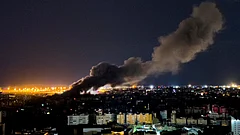
February 2006 — Under President Mahmoud Ahmadinejad, Iran restarts uranium enrichment.
2010 — The Stuxnet computer virus, believed to be the work of the United States and Israel, damages centrifuges at Natanz.
July 2015 — Iran and world powers reach a nuclear agreement. Iran limits its enrichment activities in return for relief from international sanctions.
May 2018 — President Donald Trump withdraws the United States from the 2015 nuclear deal and reimposes sanctions.
2018 — Israel obtains documents that it says demonstrate Iran had hidden aspects of its nuclear programme in the past.
2020 — Explosions hit Natanz facilities and Iranian scientist Mohsen Fakhrizadeh is killed in an attack attributed to Israel. Iran responds by increasing its uranium enrichment levels.
April 2021 — Iran starts enriching uranium to 60 percent purity.
Late 2025 — Economic protests break out in Iran amid ongoing tensions with the United States and Israel.
January 2026 — Further protests occur in Iran. Trump indicates possible US action while American naval forces position themselves in the region.
February 2026 — Indirect talks take place in Oman and Geneva. Iran temporarily closes the Strait of Hormuz.
28 February 2026 — The United States and Israel begin strikes on Iranian targets. Trump posts on social media calling on Iranians to take over their government, describing it as their chance for generations. He characterises the operations as major combat actions intended to prevent Iran from obtaining a nuclear weapon, destroy its missile capabilities and navy, and limit its regional influence.

2 March 2026 — Trump states the conflict could last four to five weeks or longer. Secretary of State Marco Rubio explains that Israel's planned action left the United States with little choice to protect its forces.
3 March 2026 — Trump says he acted because he believed Iran was preparing to strike first.
4 March 2026 — Pentagon chief Pete Hegseth describes goals that include destroying Iranian offensive missiles, production facilities and security infrastructure.
6 March 2026 — Trump calls for Iran's unconditional surrender.
8-11 March 2026 — Mixed messages emerge. Hegseth says strikes are only the beginning while Trump describes the war as pretty much complete in some respects. He later says both descriptions apply and that more needs to be done.
13 March 2026 — Trump tells an interviewer the war will end when he feels it in his bones. He softens earlier calls for regime change, noting the difficulty for Iranians without weapons.
19-20 March 2026 — Hegseth says no fixed timeline exists and decisions rest with the president. Trump indicates the United States is close to its objectives but rules out an immediate ceasefire.
April 2026 — A fragile ceasefire is announced between the United States and Iran. Israel does not take part in the related talks.
April-May 2026 — Israel conducts and then deepens operations in Lebanon against Hezbollah, which had entered the conflict.
15-17 June 2026 — The United States and Iran sign an interim memorandum. Iran can resume oil sales, the US blockade on Iranian ports ends and shipping through the Strait of Hormuz resumes. The ceasefire extends for 60 days to allow talks on the nuclear programme and other matters. Plans for a formal signing in Switzerland face postponement.
19 June 2026 — Technical talks scheduled for Switzerland are cancelled at short notice. Vice President JD Vance postpones his travel. Iran's Supreme Leader Ayatollah Mojtaba Khamenei approves the memorandum despite reservations and cautions against overly demanding US positions in future negotiations. Fighting in Lebanon escalates with Israeli strikes killing at least 18 people and Hezbollah responding.
The conflict that began in late February has resulted in more than 7,000 deaths, the majority in Iran and Lebanon. It disrupted global energy supplies through the closure of the Strait of Hormuz, which handles about one fifth of world oil and liquefied natural gas trade. Oil prices fell after news of the interim deal, but officials say full recovery of regional energy output will take months.
Under the memorandum, both sides agree to end military operations across fronts, including in Lebanon. Iran commits to steps on its highly enriched uranium stockpile. The United States provides sanctions waivers for oil trade, unfreezes assets and supports potential reconstruction efforts, possibly backed by Gulf states.
Implementation has already seen tankers move through the Strait of Hormuz again, though shipping companies proceed with caution. Iran has lifted its blockade but requires coordination with Revolutionary Guards. A senior US official noted provisions for banking, transport and insurance to enable oil sales.
Israel has made clear it does not consider itself bound by the agreement and continues operations in southern Lebanon. Netanyahu has stated Israel will not withdraw from areas there. Vice President Vance has said the deal covers Israel and Lebanon, creating a point of tension. Hezbollah has indicated Iran would not accept a permanent truce without Israeli withdrawal.


The 60-day period for negotiations now faces uncertainty. Issues such as the future of Iran's nuclear programme, its missile capabilities and regional activities remain on the table, though not all were central to the initial memorandum. Trump has described the agreement as establishing a clear barrier to Iran developing a nuclear weapon. Iran continues to maintain its programme serving peaceful purposes.
In the United States, some Republican lawmakers have questioned whether the deal gives away too much. The Pentagon has requested additional funding related to the conflict costs. In Iran, the leadership faces pressure to deliver economic improvements after the damage of recent months.
This interim step follows years of intermittent talks and confrontations. Earlier enrichment increases occurred after attacks on Iranian sites. Support for groups such as Hezbollah has been a persistent concern. Regional players, including Gulf states, will influence the next phase through their positions on reconstruction and security.
Negotiators must now determine whether the pause in fighting can develop into something more durable. The coming weeks will show if the framework holds amid continued incidents in Lebanon and political pressures in both Washington and Tehran.
(With inputs from Reuters and AP)