“He should have first corrected his own vices and then given us advice”. More than a century ago, Iranian activist Bibi Khanoom Astarabadi scorned men who tried to dictate women’s behaviour while ignoring their own failings. The line today resonates in a different context. Leaders and elites in the United States who claim moral authority to “save” women abroad are doing so in the light of the Epstein scandal, which proves they fail to protect women at home.
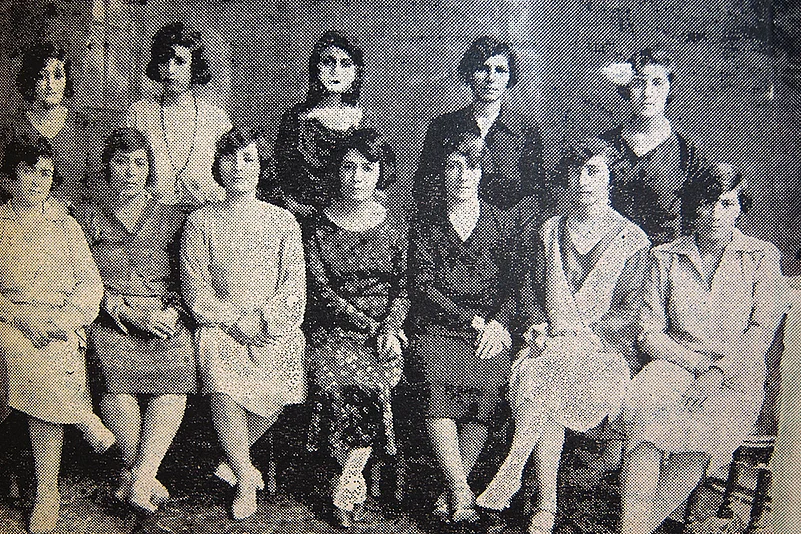
More than a century before the world debated the “liberation” of Iranian women through airstrikes, Astarabadi was already waging a quieter war of her own. In the late 1800s, she sat at a small wooden desk in Tehran and composed The Vices of Men, a blistering satire written as a direct rebuttal to a misogynistic text called The Education of Women, which instructed women to be silent and obedient. The manuscript circulated among a small readership during her lifetime but was not formally published until 1992. It scandalised the Qajar elites and positioned Astarabadi as one of Iran’s earliest feminist intellectuals. More importantly, she established a genealogy of resistance, built through literacy, intellect and defiance. No weapons or foreign intervention was required.
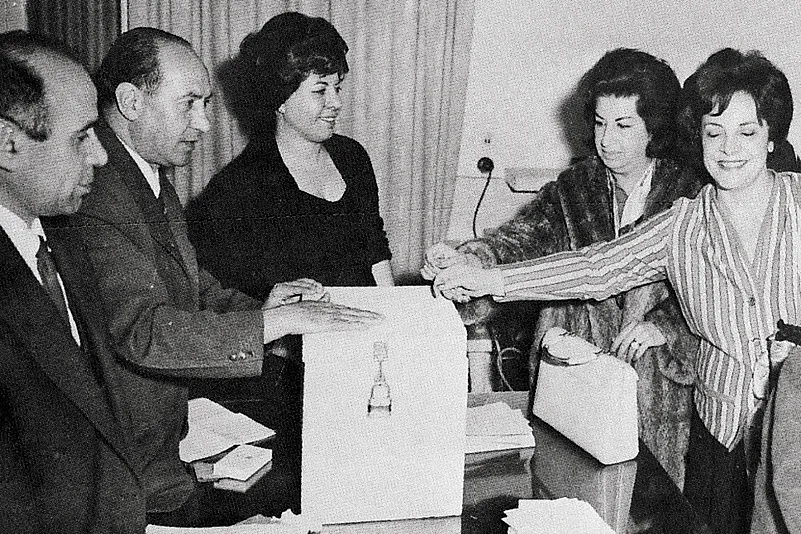
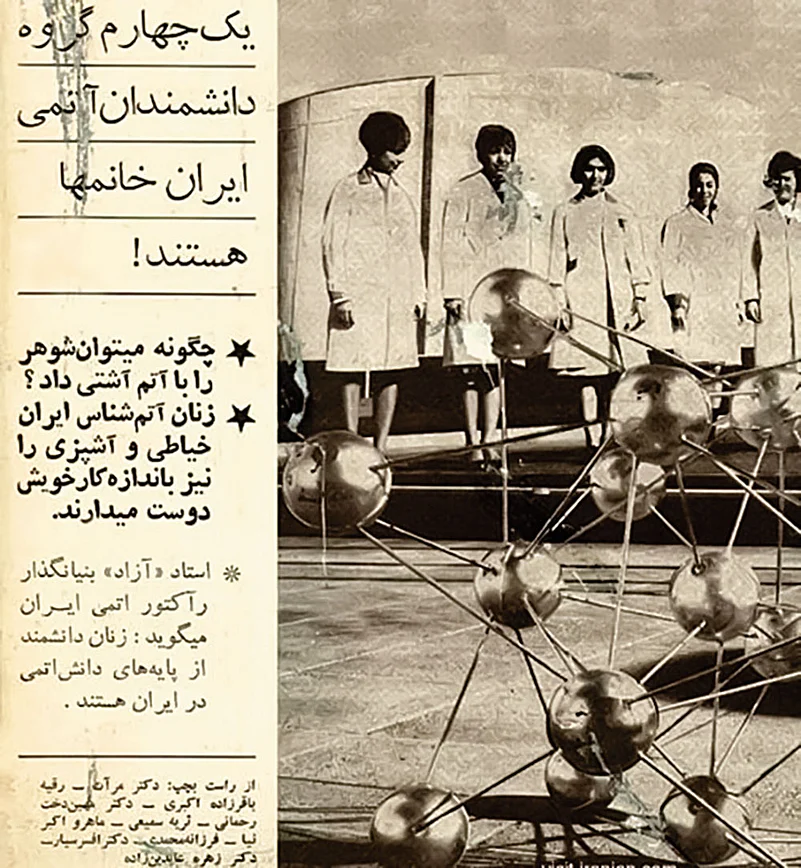
When Iranian women today narrate their political struggle, they don’t talk about foreign generals or televised speeches by world leaders. Their story continues through constitutional-era women who organised literacy classes, some clandestinely, in the face of official hostility. Through underground activists of the 1970s and journalists who published Zanan (Women), Iran’s influential women’s magazine founded by Shahla Sherkat in 1992, which was shuttered by the government in 2008. And through the organisers behind the One Million Signatures campaign, which from 2006 demanded an end to discriminatory laws.
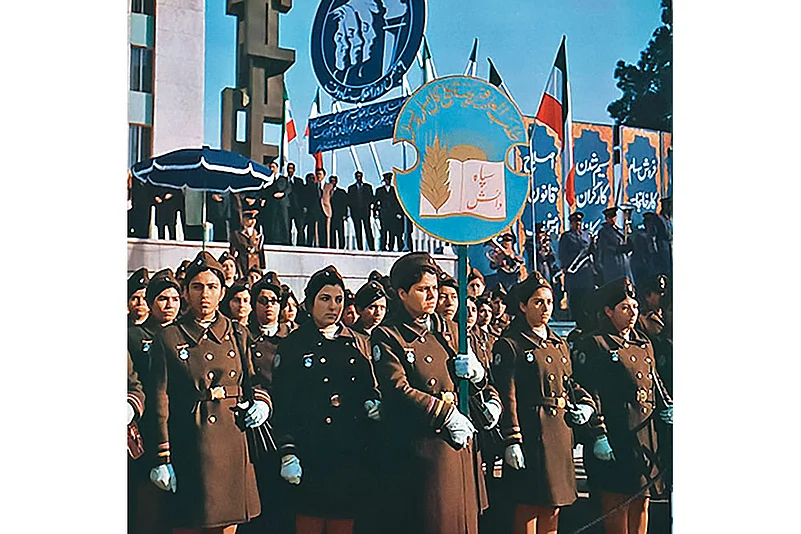
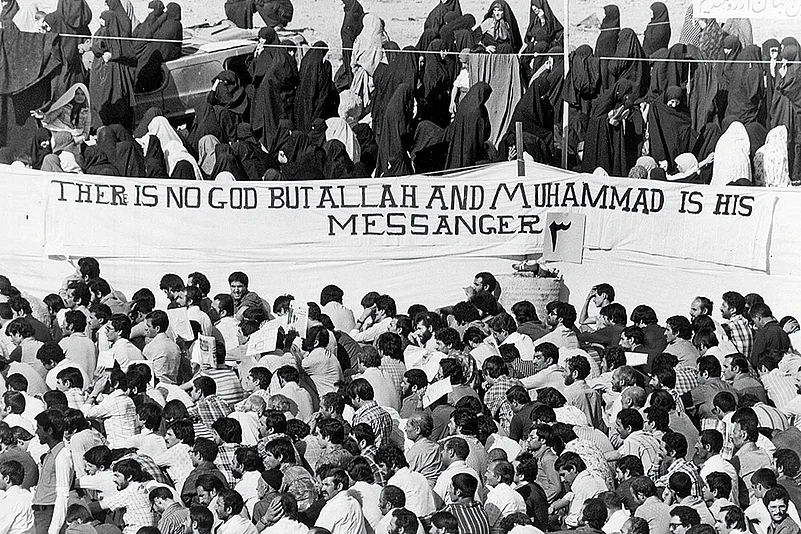
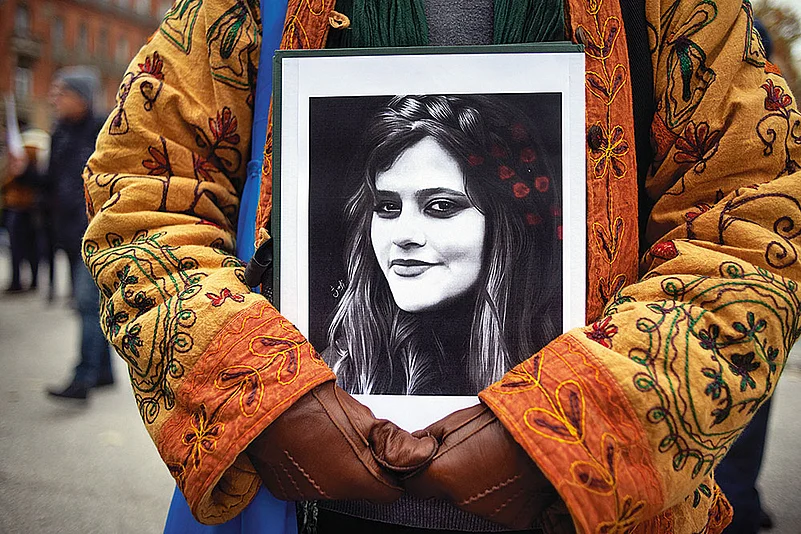
Political prisoners, such as Nobel Peace Prize laureate Narges Mohammadi—sentenced to an additional seven years in February 2026, weeks before the war for conducting a hunger strike in detention—continued advocacy from inside solitary confinement. And the students who, in 2022, filled their school hallways with the chant Zan, Zendegi, Azadi after the killing in morality-police custody of 22-year-old Mahsa Jina Amini. This history is why, when a missile struck a girls’ elementary school in Minab, Hormozgan province, on February 28, killing 165, many Iranian women did not view it as a step toward liberation. They saw it as the violent appropriation of a struggle they had built slowly, dangerously, and entirely on their own terms.

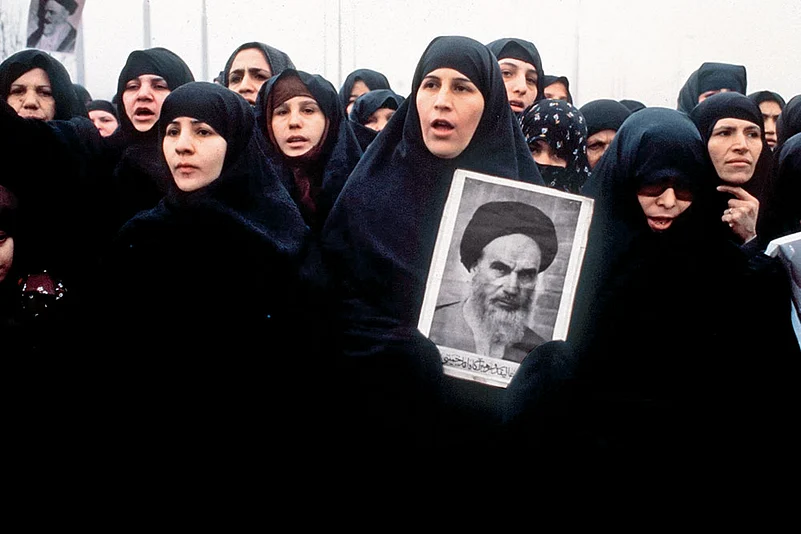
When foreign commentators described Khamenei’s assassination by US-Israeli strikes as a “feminist intervention” or a “necessary shock” for women’s rights, Iranian scholars were quick to call the framing intellectually dishonest. Pattie Ehsaei, an Iranian-American women’s-rights advocate, says Iranian women are not asking to be saved by bombs and are insisting on their agency and the right to define what liberation means for themselves: “Removing one man does not remove the institutions, the security apparatus, the courts, the morality-policing logic, or the culture of impunity.”
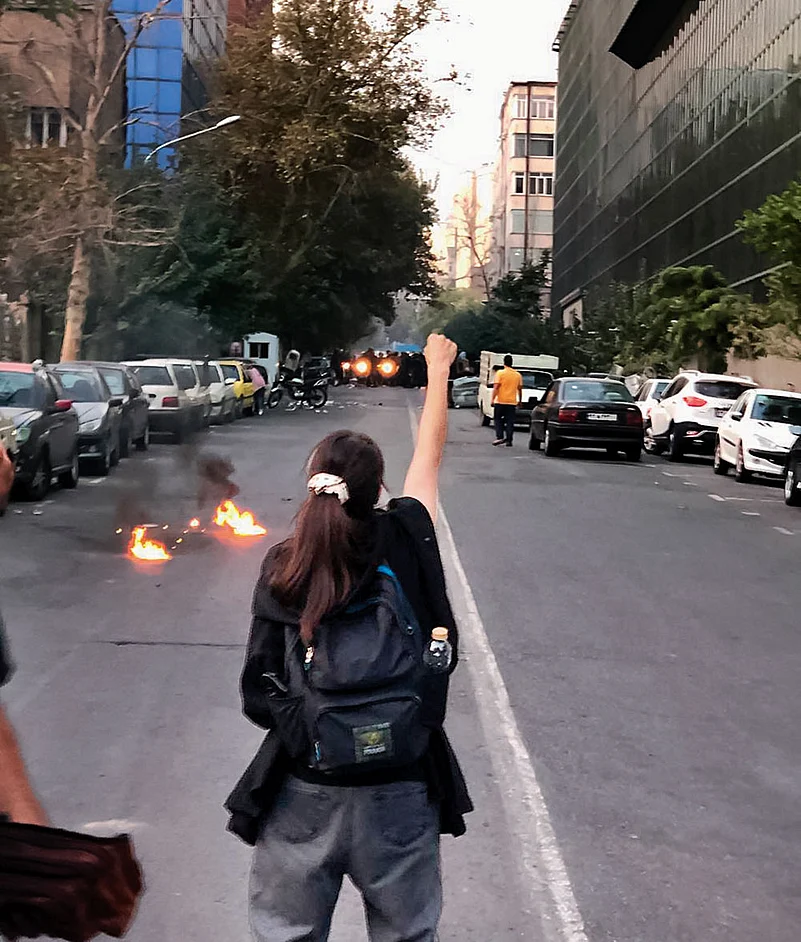
Iranian women are not a monolith, and their struggles vary across ethnicity, class and geography. It should also be acknowledged that the Iranian diaspora is itself divided. Articulating a vision shared across Iran’s feminist networks, Ehsaei says: “It is women who absorb the shock. That is the truth behind every strike and sanction.”
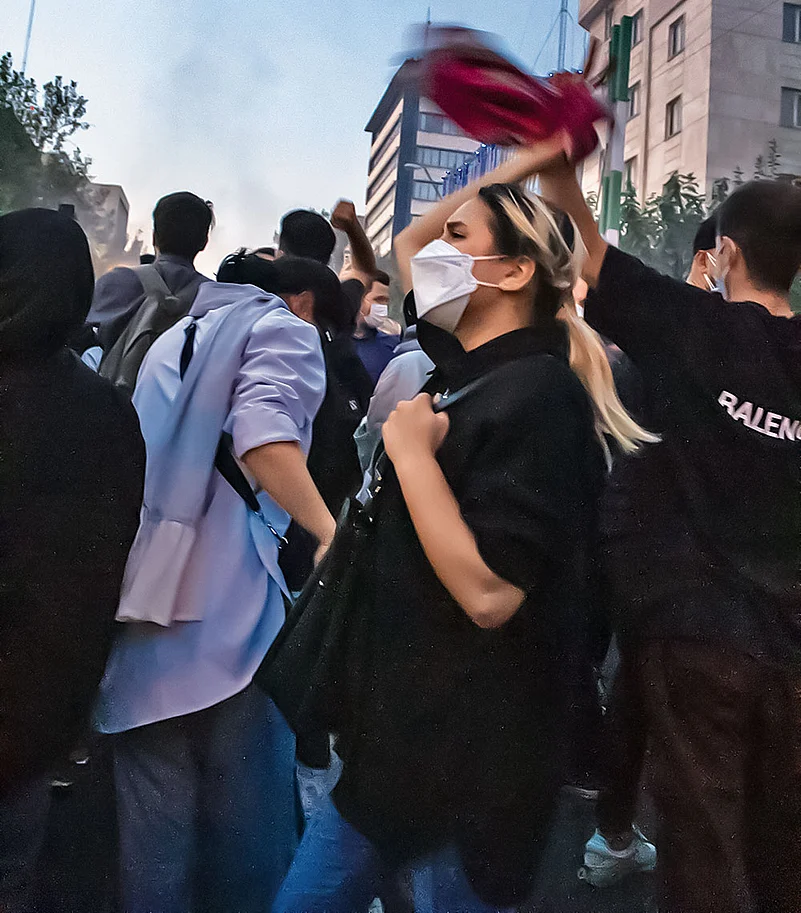
She adds: “We want an Iran where women have full legal personhood, bodily autonomy, equal marriage and divorce rights, equal inheritance and custody rights and protection from violence. But sustainable change means independent courts, rule of law, free media, accountable security forces, not airstrikes. Just, do not bomb our future in our name.”
Text: Fozia Yasin
Photo curation: Animikh Chakrabarty
This article is part of Outlook 's March 21 issue Bombs Do Not Liberate Women which looks at the conflict in West Asia following US and Israel’s attacks on Iran leading to the assassination of Ayatollah Ali Khamenei, while the world wondered in loud silence, again, Whose War Is It Anyway?