The strike on the girls’ school in Minab, killing over 160 people, mostly students, underscores the human cost of the ongoing conflict.
Even as nationalism surges during wartime, the demands that animated the 2022 protests, autonomy, dignity and freedom for women, remain unresolved.
The movement sparked by Mahsa Amini’s death turned “Woman, Life, Freedom” into a global call for dignity, autonomy and bodily freedom.
In Iran today, as tensions escalate amid the ongoing confrontation involving Israel and the United States, the language of retaliation and geopolitics dominates the global conversation. Yet the human cost of war is most starkly felt far from the rhetoric of strategy rooms.
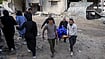
Recently, missiles struck the Shajareh Tayyebeh girls’ school in Minab during school hours, killing more than 160 people, most of them students. The attack, among the deadliest civilian incidents since the conflict began, turned a classroom into a graveyard and drew widespread condemnation.
For many Iranians, the tragedy has sharpened a painful question about the cost of war. Among those most affected are women who challenged the state’s compulsory hijab laws and faced detention, intimidation and surveillance in the wake of the 2022 protests. At a time when conflict dominates national life, the fate of those who dared to dissent grows even more uncertain.


At the same time, war reshapes identities within a country. Faced with external threats, societies frequently rally around a shared sense of nationhood. In Iran, too, there are signs of such unity, a reaffirmation of Iraniyat in the face of geopolitical pressure. Yet, beneath that surface solidarity remain the unresolved struggles that defined the country’s recent past, especially the movement led by women demanding autonomy over their bodies and lives.

As Iran navigates yet another turbulent chapter shaped by war and geopolitical rivalry, revisiting that earlier moment of uprising offers an important reminder. The slogan “Woman, Life, Freedom” was never only about a piece of cloth. It stood for dignity, autonomy and the right to shape one’s own future. War may temporarily shift the world’s attention, but the deeper currents of resistance within Iranian society remain, quieter perhaps, but far from extinguished.
It was in the aftermath of that historic uprising that Outlook published a special issue in April 2023 titled “Women, Life, Freedom: A Homage To Those Who Died In Iran”. The edition reflected on the nationwide protests that followed the death of 22-year-old Kurdish-Iranian woman Mahsa Amini, who died in custody after being detained by the morality police for allegedly violating the country’s compulsory hijab laws. The protests that erupted across more than 160 cities transformed the slogan “Woman, Life, Freedom” into a global rallying cry.
The issue brought together voices from different disciplines and perspectives to examine the meaning of that moment. Iranian women’s rights activist Elnaz Sarbar Boczek, writing from California, reflected on the aftermath of the protests, the accusations, repression and torture that followed, and on how the streets that had once been filled with defiance gradually fell silent under state pressure.
Cinema too became a lens through which to understand the shifting mood of Iranian society. Film critic GP Ramachandran and gender specialist Medha Akam examined works such as Abbas Kiarostami’s Shirin and Jafar Panahi’s Offside, arguing that long before the protests erupted, Iranian cinema had already begun to register the tensions within society and the simmering challenges to patriarchal authority.

In another piece, Akshay Sawai revisits a moment when sport and politics intersected. Years ago, a football match in Iran in which the host nation defeated an Israeli team became a national political event, showing how even seemingly apolitical spaces can turn into arenas where questions of identity, nationalism and power are contested.
Senior journalist Seema Guha, meanwhile, turned her attention to the quieter forms of resistance that persist even when protests disappear from the streets. Her essay explored the currents beneath the surface of Iranian society, arguing that movements do not simply vanish under repression. They transform, regroup and wait for the moment when they can re-emerge.