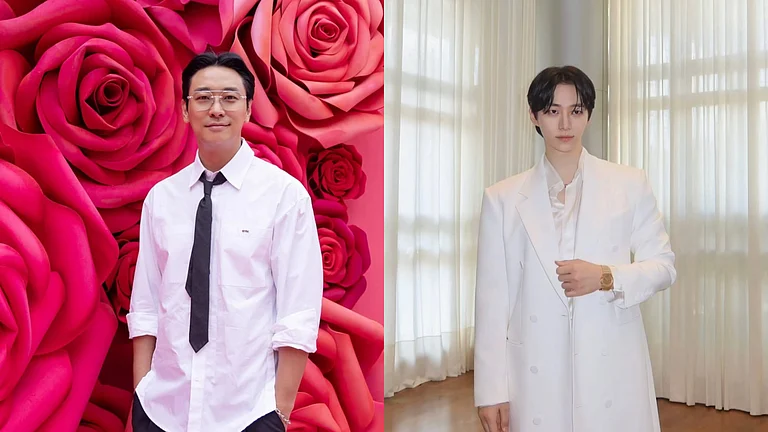
Lee Byung Hun and Han Ji Min are set to lead the Korean remake of The Americans.
The series shifts the spy drama into a divided Korea, adding local political depth.
Set in the 1990s, it follows undercover North Korean spies building double lives.
The Korean remake of The Americans has been officially confirmed, with Lee Byung Hun and Han Ji Min set to headline the series. The project marks a major adaptation of the acclaimed American spy drama, reimagined within a Korean socio-political context. According to Deadline, production on the series has already begun.
The original show, centred on two Russian spies living undercover in the United States, had built a strong global following. Now, the Korean version is expected to reinterpret the premise through a local lens. As reported by The Hollywood Reporter, initial hesitation around adapting the series was expressed by Eric Schrier, head of international local originals.
A Korean context for a global story
It was stated by Schrier that uncertainty had been felt due to his close association with the original creators, Joe Weisberg and Joel Fields. However, it was added that confidence in the remake had been shaped by the passion of the Korean creative team. It was further noted that the divided nature of Korea made the story culturally relevant for local audiences.

The remake will reportedly be set in the 1990s, a period marked by democratisation and social transformation in South Korea. Within this backdrop, the narrative will follow a seemingly ordinary family hiding a dangerous secret. It has been outlined that the central characters will be North Korean spies sent undercover to infiltrate South Korean systems while building a life that conceals their true identities.




Cast, Direction and Creative Vision
The series will be directed by Ahn Gilho, known for his work on The Glory. His involvement is expected to bring a sharp, character-driven tone to the project. With Lee Byung Hun and Han Ji Min leading the cast, expectations remain high for performances that balance emotional depth with political tension.
The adaptation signals a growing trend of global formats being reshaped for regional audiences, where familiar stories are given new cultural meaning while retaining their core conflict.