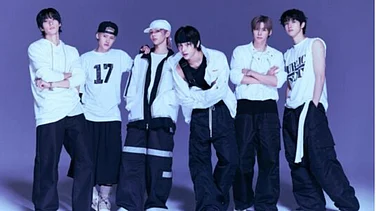
BTS Hooligan music video revives Dark & Wild era with dystopian visuals.
ARIRANG album track leans heavily into rap, rebellion, and raw energy.
Fans note strong parallels to BTS's early hip-hop phase and identity.
The BTS's Hooligan music video arrives like a jolt. It strips away polish and dives straight into something more instinctive, more volatile. As part of their reunion album ARIRANG, the track feels like a deliberate step back into the group’s rawest creative instincts, where control gives way to chaos.
Set in a bleak, dystopian world, the video builds its mood through stark imagery. Dim corridors, masked figures and fractured spaces create an atmosphere that feels tense and unpredictable. This is not about spectacle alone. It is about energy, about presence, about reclaiming a certain edge.
A return to BTS’s Dark & Wild era energy
For long-time fans, the DNA is familiar. The aggression, the swagger, the refusal to smooth things over, all point back to BTS’s Dark & Wild era. That phase defined their early voice, shaped by defiance and a hunger to be heard.
With Hooligan, that spirit is not recreated but reinterpreted. The group appears less interested in nostalgia and more focused on evolution. The anger feels sharper, the performance more controlled, yet the emotional charge remains intact.

BTS Hooligan music video leans into rebellion and power
The visual language here is strikingly minimal yet intense. Power is expressed not through grandeur but through tension. Every frame feels intentional, almost confrontational. The choreography leans into sharp, grounded movements, reinforcing the track’s rap-heavy structure.


What stands out is the shift in tone. Recent BTS releases leaned towards a global pop sheen. Hooligan resists that. It embraces grit, even discomfort. It asks the audience to sit with it rather than be carried by it.

As the ARIRANG era unfolds, Hooligan sets the tone for what may be BTS’s most uncompromising chapter yet.