The UN has formally declared transatlantic slave trade the gravest crime against humanity, but the US voting against the resolution makes Hollywood's long history of confronting slavery feel sharply ironic.
American films have repeatedly returned to slavery not as the past, but as something that still shapes identity, justice and everyday life.
From brutal realism to genre storytelling, these films refuse to soften the history of slavery, forcing audiences to engage with its ongoing impact.
In a move that has sparked global debate, the US has voted against the United Nations General Assembly resolution declaring transatlantic slave trade as the "gravest crime against humanity". Backed by 123 countries and proposed by Ghana, the resolution calls for reparative justice, formal apologies, and a deeper reckoning with a past that continues to shape present inequalities.
When history is capitalised on screen but resisted in politics
The irony is difficult to ignore. The United States, a country whose film industry has repeatedly confronted the brutality of slavery, was among the very few that opposed the resolution, alongside Israel. Several European nations abstained.
Ghana's leadership framed the resolution as a necessary step towards healing, pointing out that the legacy of slavery still manifests in racial disparities today. The resolution may not be legally binding, but politically and morally, it draws a line in the sand: history cannot be softened, delayed, or selectively remembered.
This is where cinema becomes impossible to dismiss. Hollywood and its filmmakers have never treated slavery as distant history, but as a wound that continues to live and breathe. These films do not always get it right, and sometimes they are frustrating, stylised, or even exploitative. But taken together, they form an uneasy archive—one that often shows more willingness to confront the past than the politics of the present.
Here are nine films that engage with American slavery and its aftermath, forcing audiences to sit with what the world is still struggling to formally acknowledge.
1. The Colour Purple (1985 / 2023)
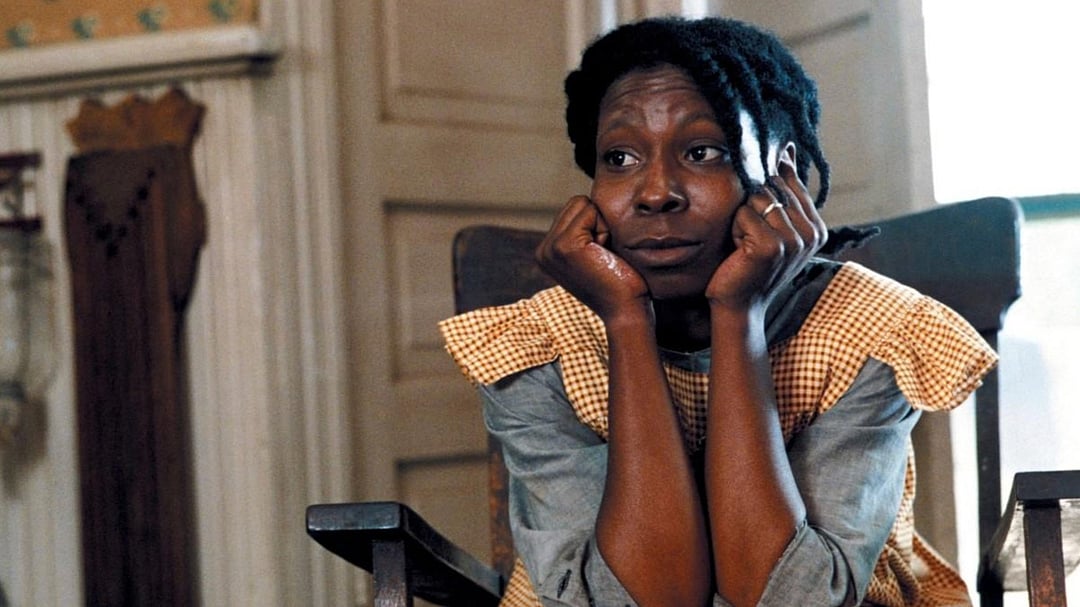

Based on Alice Walker's 1982 novel The Color Purple, the story found its first major screen adaptation in 1985, directed by Steven Spielberg. A new musical version followed in 2023, directed by Blitz Bazawule.
The story itself is not set during slavery, but remains inseparable from its legacy. Generations after emancipation, Black women are still negotiating violence, erasure and survival in a system built on their oppression. What makes The Colour Purple endure is its refusal to reduce suffering to spectacle. It centres interiority, sisterhood and resilience. If slavery was about stripping people of their identity, this film is about reclaiming it, piece by piece.
2. Sinners (2025)
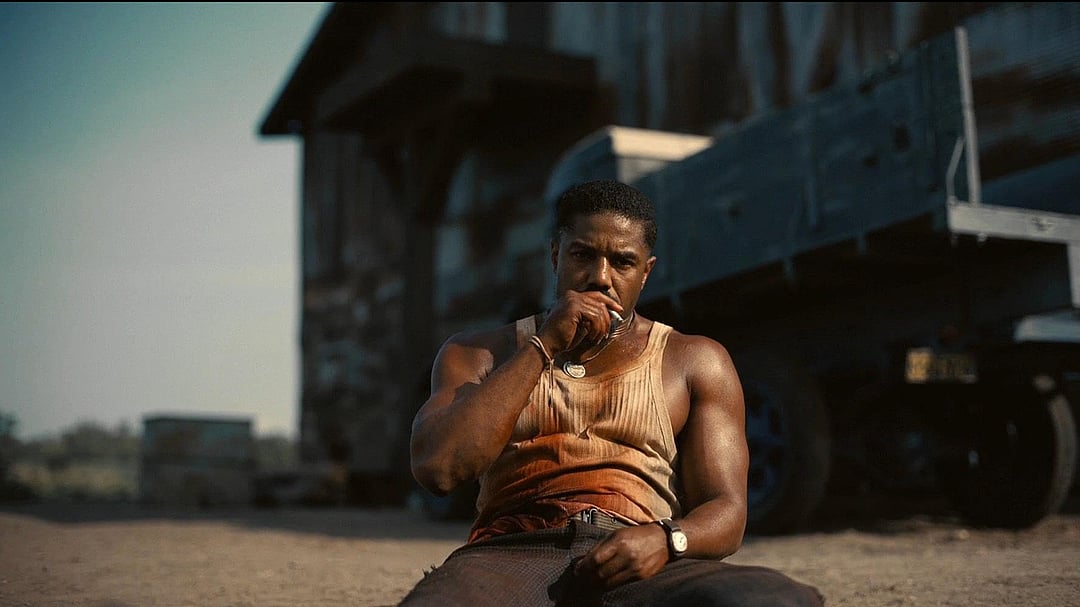
Directed by Ryan Coogler, Sinners premiered in 2025 and quickly became more than just another period film. Set against the backdrop of the Jim Crow-era South, it uses horror and music to tap into something deeper about memory and inherited trauma.
The film didn't just land; it stayed. Its run at the 2026 Academy Awards only cemented that, with 4 wins, including Best Actor for Michael B. Jordan and Best Original Screenplay for Coogler. Autumn Durald Arkapaw made history as the first woman and woman of colour in 98 years to win the Oscar for Best Cinematography.
What makes Sinners stand out in this conversation is its refusal to treat the past as contained. Slavery is not presented as history that can be revisited and neatly understood. It lingers, it mutates, it bleeds into the present. And that's exactly what gives the film its weight.
3. Django Unchained (2012)
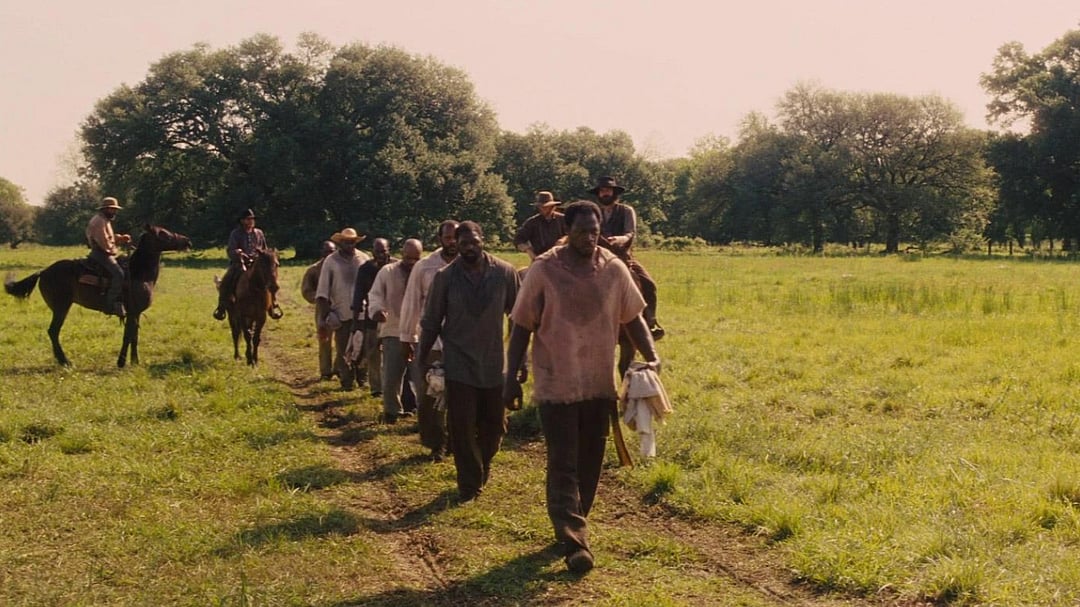
Quentin Tarantino’s take on slavery is divisive, and rightly so. It turns unimaginable brutality into a revenge fantasy, stylised and at times almost gleeful.
Yet, dismissing it entirely would be too easy. Django Unchained doesn't present slavery in a strictly realist or historical way. Instead, it uses genre, in this case a stylised revenge Western, to tell the story. The discomfort it creates is part of its point.
Still, it raises a larger question: who gets to tell these stories, and how? Films such as Django Unchained deepen the irony when filmmakers like Tarantino publicly espouse Zionism and their support for Israel during an ongoing genocide in Gaza.
4. 12 Years A Slave (2013)
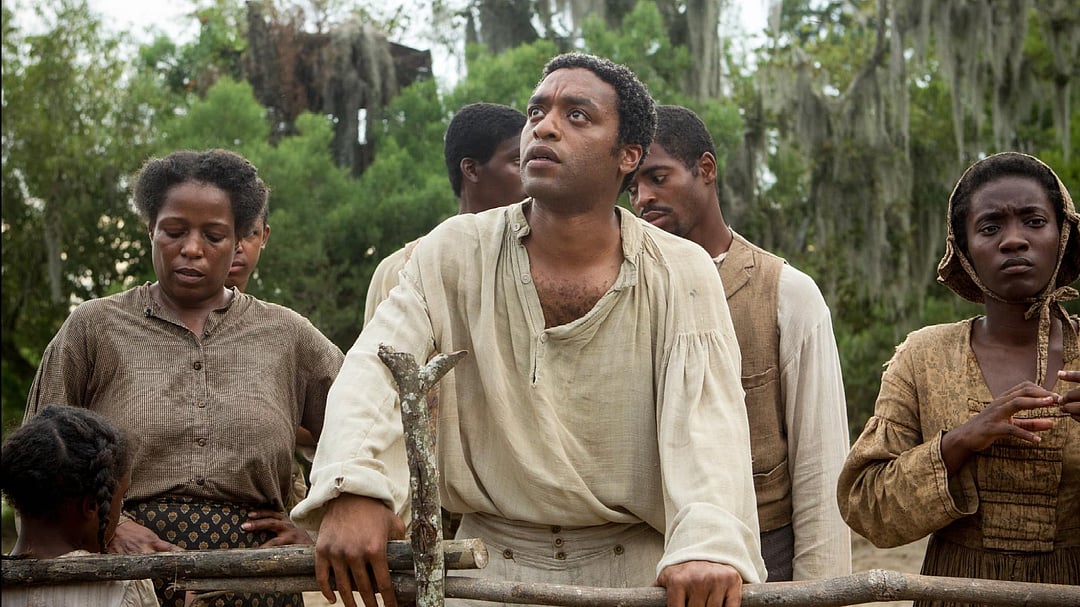
Directed by Steve McQueen, this is perhaps the most unflinching depiction of American slavery in modern cinema.
Based on the real story of Solomon Northup, a free Black man kidnapped and sold into slavery, the film refuses any cinematic cushioning. There are no heroic shortcuts, no softened edges. The violence is relentless, but so is the humanity.
It remains essential viewing because it does not let audiences look away.

5. A Time to Kill (1996)
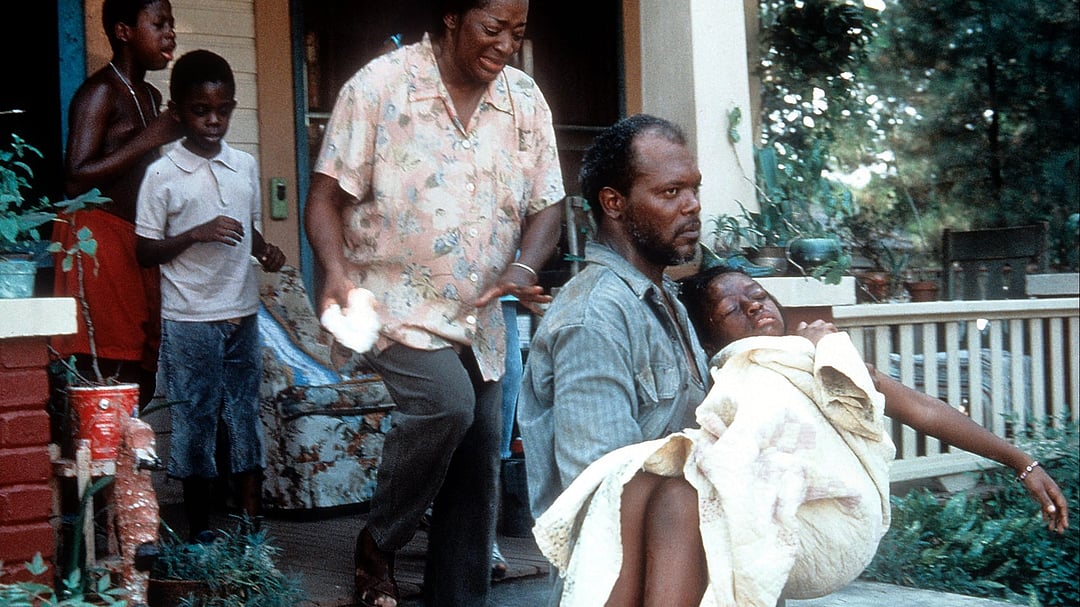
This film isn't about slavery in a literal sense, but about everything it left behind.
Set in the American South, this courtroom drama lays bare how deeply racial injustice is still woven into everyday life. The legal system here isn't neutral; it feels loaded, shaped by a history that refuses to loosen its grip.
That's exactly why this film belongs on this list. Slavery didn't simply end; it shifted, reappearing in structures that continue to decide who gets justice and who doesn’t. Few films make that connection between past and present feel this immediate, or this uncomfortable.
6. Roots (1977 / 2016)
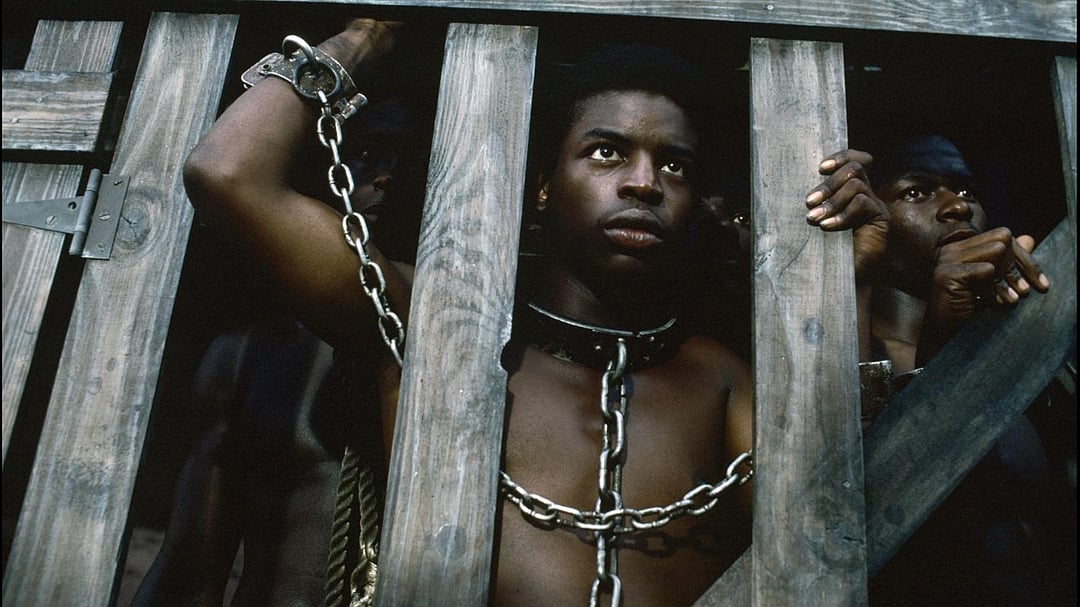
Based on Alex Haley's 1976 book Roots: The Saga of an American Family, this landmark series follows Kunta Kinte, a young man taken from West Africa and enslaved in America, and then traces his descendants across generations, all the way into post-Civil War life.
What gives Roots its weight is that it doesn’t rush through history; it lets you feel how slavery fractures families and erases names. Yet somehow, it cannot fully erase memory. You watch identities being stripped away, but also quietly held on to.
That scale is what makes it so affecting. Slavery here isn't a single story or moment; it's a continuum that reshapes everything it touches, across decades.
7. Emancipation (2022)
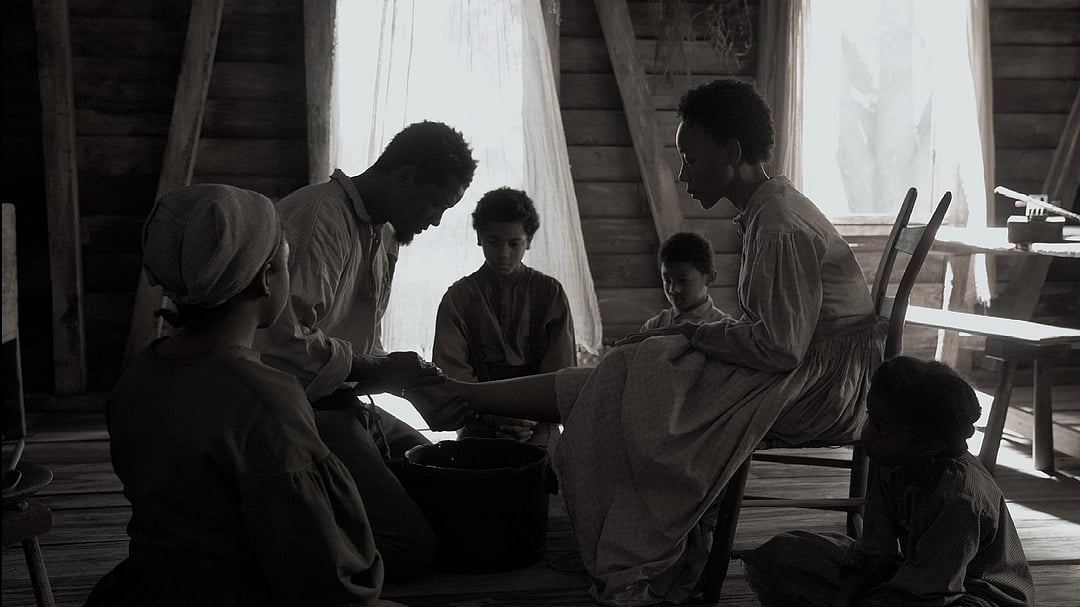
Inspired by the photograph of "Whipped Peter", this film follows a man fleeing enslavement through unforgiving terrain.
It leans into survival and endurance, sometimes at the cost of emotional depth. But its central image, the scarred back that became proof of slavery's brutality, remains one of the most haunting visual records in American history. The film reminds us that documentation itself was a form of resistance.
8. Lincoln (2012)
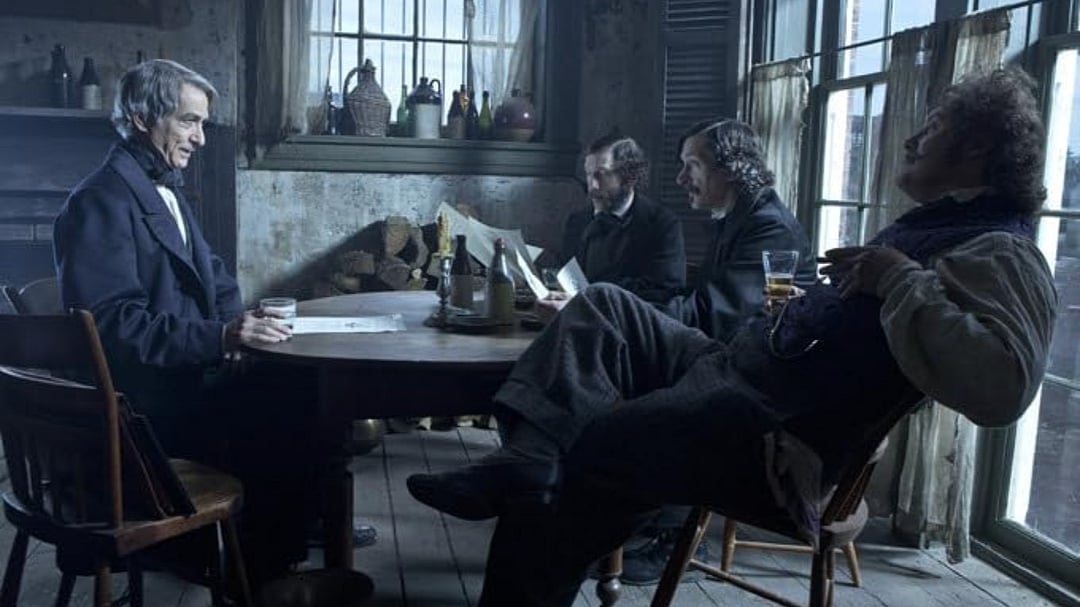
Directed by Steven Spielberg, Lincoln turns its gaze towards the political machinery behind abolition, focusing on the tense final push to pass the Thirteenth Amendment.
It is less concerned with the lived experiences of the enslaved and more with the system that enabled slavery to exist for so long, and what it actually took to begin dismantling it. The film leans into backroom negotiations, fragile alliances and moral bargaining, showing how even something as fundamental as freedom had to be fought for within a deeply resistant structure.
That choice has been criticised, and fairly so, for sidelining Black voices. But it also lays bare an uncomfortable truth: justice, especially at that scale, is rarely clean. It is slow, compromised and often shaped by those in power. What the film leaves you with is a question that still feels relevant: how much should be negotiated in the pursuit of what is right, and who gets to make that call?
9. Sankofa (1993)
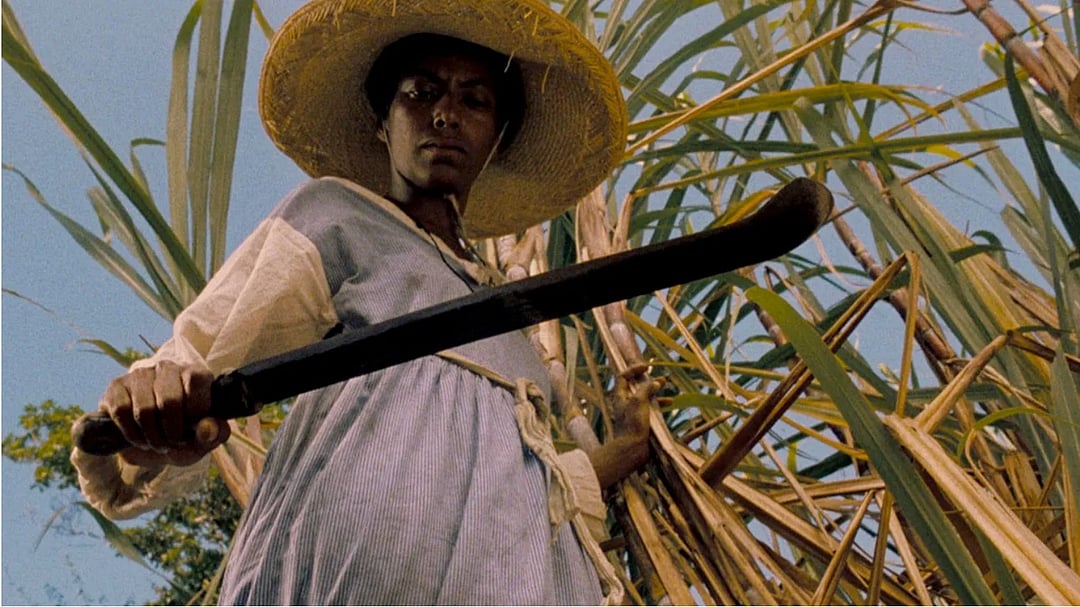
Directed by Haile Gerima, Sankofa brings in a perspective that mainstream Hollywood has often overlooked or avoided.
Using a time-travel narrative, it pulls the African diaspora into a direct encounter with slavery, collapsing the distance between past and present. You're not just watching history unfold, you're made to feel its weight, its violence and its emotional cost in a way that’s hard to shake off.
The film is raw, spiritual and unapologetically political. It resists familiar storytelling rhythms and instead leans into something more urgent and personal. Sankofa doesn't just revisit history; it challenges you to reckon with it, especially if you're part of the world that continues to benefit from its aftermath.
Why these films still matter
Here's the thing about cinema. It cannot replace policies and storytelling is not the same as accountability. But when governments hesitate to formally acknowledge the scale of historical injustice, culture often steps in to fill that silence.
These films, across decades and styles, do one thing consistently: they refuse to reduce slavery to a footnote. They insist on its brutality, its complexity and its ongoing impact.
The contradiction remains stark. A country that has produced some of the most powerful cinematic reckonings with slavery is still reluctant, at a political level, to fully endorse that reckoning on the global stage. What this really means is that the work is far from over. Not in politics, not in culture, and certainly not in how history is remembered.
If these films have taught us anything, it is this: forgetting is never neutral.