A Supreme Court–appointed SIT reported that missing gold linked to the Sabarimala temple may involve more than one artefact.
Investigators found discrepancies in records related to the storage and accounting of temple gold offerings.
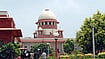
The Supreme Court has ordered a deeper probe, raising concerns over transparency in temple administration.
India’s Supreme Court–appointed Special Investigation Team (SIT) has uncovered major irregularities in the handling of gold linked to the Sabarimala temple, revealing that missing gold may not be limited to a single incident. Investigators now believe that several temple artefacts could be affected, pointing to a wider pattern of mismanagement or misappropriation.
The revelations came during court proceedings, where the SIT disclosed that discrepancies were found while examining records related to the storage, transfer, and accounting of gold offerings. The findings suggest that safeguards meant to protect temple assets were either inadequate or ignored over an extended period.
The Supreme Court has taken note of the seriousness of the issue and directed the SIT to continue its probe, including a detailed audit of temple valuables. The case has raised concerns about transparency and accountability in the administration of religious institutions, especially those handling large volumes of donations and precious materials.
The Supreme Court's verdict allowing entry of women of all ages into the Ayyappa temple, was "disappointing", but the shrine board will accept it, Sabarimala head priest Kandararu Rajeevarau said.
A five-judge constitution bench headed by Chief Justice Dipak Misra, in its 4:1 verdict, said banning entry of women to Kerala's Sabrimala temple is gender discrimination and the practice violates rights of Hindu women.


Travancore Devaswom Board President A Padmakumar told media that the Supreme Court's verdict will be studied in detail and further course of action will be decided after that.
Padmakumar said the board had informed the court that they wanted to continue with the existing ritual practices, but now they have no other option but to implement the verdict
The board, he said, will take steps to execute the apex court directive. It will study the judgement seriously, he said.
Rahul Easwar, President of the Ayyappa Dharma Sena, said they were going for a review petition.
Easwar is the grandson of late Sabarimala priest Kandararu Maheswararu, who died in May this year.
The court pronounced its verdict on a clutch of pleas challenging the ban on entry of women of menstrual age in Kerala's Sabrimala temple and said law and society are tasked with the task to act as levellers.