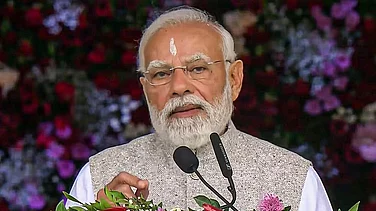
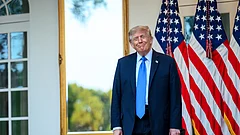
Prime Minister Narendra Modi spoke with US President Donald Trump, with both leaders stressing the importance of keeping the Strait of Hormuz open and supporting de-escalation in the West Asia conflict.
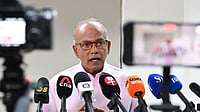
External Affairs Minister S. Jaishankar met Iran’s Ambassador to India, Mohammad Fathali, as New Delhi continued diplomatic outreach to all sides involved in the crisis.
The Centre has set up seven inter-ministerial groups to monitor risks to energy supplies, trade flows and supply chains as tensions in West Asia threaten global markets.
India on Tuesday stepped up diplomatic engagement and internal preparedness amid the escalating conflict in West Asia, with Prime Minister Narendra Modi holding a telephonic conversation with US President Donald Trump, External Affairs Minister S. Jaishankar meeting Iran’s envoy in New Delhi, and the Centre constituting seven empowered groups to monitor the situation and safeguard the country’s interests.
During the call, Modi and Trump discussed the evolving security situation in West Asia and stressed the importance of keeping the Strait of Hormuz open, a critical maritime route through which a significant share of global oil shipments passes. India relies heavily on energy imports routed through the strait, making stability in the region crucial for its energy security.
Modi reiterated India’s support for de-escalation and the early restoration of peace, underlining that uninterrupted navigation through the Strait of Hormuz is essential for global trade and energy supply chains. The leaders also agreed to remain in touch regarding efforts to restore stability in the region.


Parallel to the prime minister’s outreach, External Affairs Minister Jaishankar met Iran’s ambassador to India as part of ongoing diplomatic consultations with key stakeholders in the crisis. The meeting is part of New Delhi’s broader effort to maintain communication with all sides while advocating dialogue and restraint.
With the conflict disrupting maritime routes and pushing global energy markets into uncertainty, the Centre has also set up seven inter-ministerial groups to closely track developments and coordinate response strategies. These groups will focus on areas such as fuel and gas supplies, trade flows, shipping logistics, and supply chains that could be affected by the prolonged crisis.
Addressing Parliament earlier, Modi said the situation in West Asia is “changing moment by moment” and called for preparedness to deal with potential economic and supply disruptions, while assuring that India has taken steps to secure adequate stocks of essential resources.
The government is also monitoring the safety of Indian citizens in the Gulf region and the movement of cargo vessels through key shipping corridors as tensions continue to impact global transport and energy markets.
Officials said the empowered groups will help ensure quick coordination between ministries and enable the government to respond swiftly if the crisis deepens or begins to significantly affect India’s economy and energy supplies.