The government cited UAPA, alleged Khalistan propaganda, and Pakistan-linked information operations, arguing Satluj could be exploited to advance separatist narratives
Authorities said Punjab's sensitive security environment and cross-border extremist ecosystems made the film a potential tool for reviving separatist grievances among youth
After ZEE5 removed Satluj globally, online backlash intensified, pirated copies surfaced, and producers expressed hope the film would return through due process
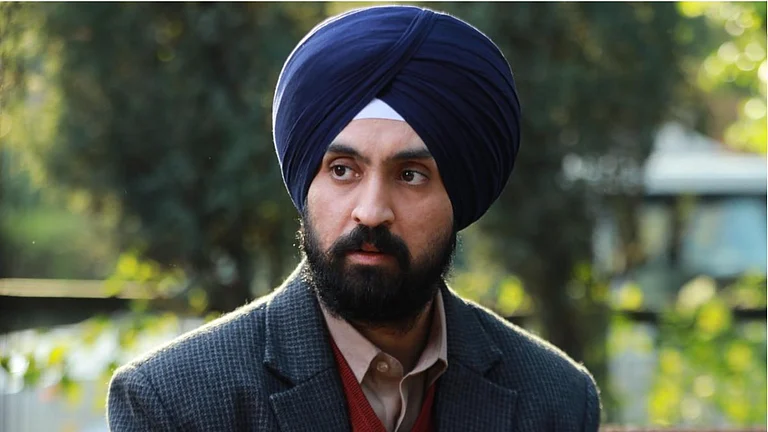
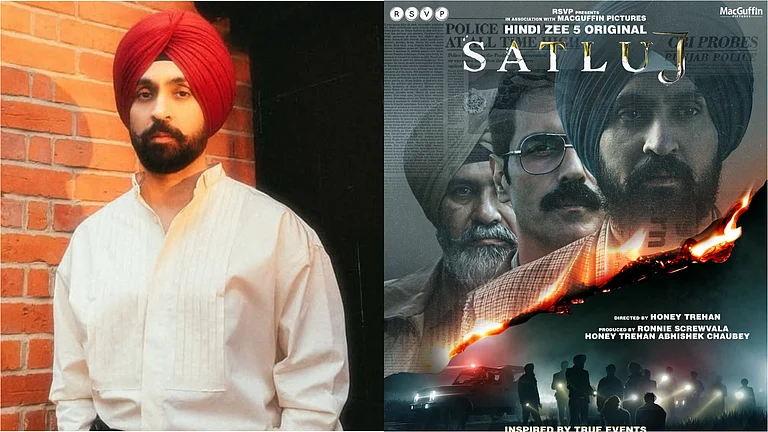
Satluj, starring Diljit Dosanjh and directed by Honey Trehan, was originally titled Punjab '95 and is based on the life of human rights activist Jaswant Singh Khalra. After facing four years of certification delays, the film premiered internationally on ZEE5 on July 3.
However, it was removed from the platform's India library within 48 hours following government directives over certification issues. ZEE5 has now also taken the film down from its international library, reigniting controversy over its release.
Why Did Govt Mention UAPA?
In its order recommending that Satluj remain blocked from public access, the government panel referred to the Unlawful Activities (Prevention) Act (UAPA), stating that "Khalistan-related propaganda, foreign-based separatist mobilisation, and hostile information operations are continuing concerns, with multiple pro-Khalistan organisations listed as terrorist organisations under the UAPA framework."


The order also referred to Sikhs For Justice, a pro-Khalistan group that has been declared an unlawful association under the UAPA.

Are There National Security Concerns?
The IDC said the current security context in Punjab posed "an immediate risk of the film becoming a tool for reviving separatist grievance among youth."
It also observed that Punjab's security situation remained sensitive because of the state's border location, cross-border propaganda, and foreign-linked extremist ecosystems, increasing the risk of "hostile exploitation of emotionally charged content concerning the militancy period."
How Pakistan Can Use It?
As reported by Indian Express, the government's Inter-Departmental Committee (IDC) said the film could be "used by hostile State/non-State actors to spread a misleading narrative of Sikh oppression by the Indian State". It added that such misuse by Pakistan had "already begun", alleging that Pakistan-based actors were using the film as evidence of Indian State brutality against Sikhs to promote separatist ideology in India.
The committee further observed that the film's "one-sidedness aligns with the structure of pro-Khalistan propaganda", claiming it could reinforce narratives that Sikhs had been collectively targeted, that the State had suppressed the truth, that international intervention was needed, and that Punjab's relationship with India was under question. It added that the film "need not explicitly call for secession if it supplies the emotional and evidentiary building blocks of secessionist propaganda."
What Happened After The Takedown?
The global takedown triggered backlash online, with social media users on X and Reddit posting that the film was no longer available outside India. Several users also pointed out that pirated versions of the film had surfaced on platforms including YouTube following its removal in India. Others argued that the ban had inadvertently increased interest in the film, saying many viewers had only learned about it after it was withdrawn.
Following the removal, ZEE5 said: "In light of the current developments, Satluj will be unavailable in India until further notice. We remain committed to exploring every appropriate avenue through due process to bring the film back to our audiences at the earliest opportunity."
An official spokesperson for co-producer Ronnie Screwvala's RSVP Movies told SCREEN, "The government has pulled it down," while expressing hope that the film would return to the platform. A government official said the makers had released the film directly on OTT under a new title without CBFC certification. The official added that although OTT platforms do not come under the CBFC's jurisdiction, ZEE5 was directed to take down the film due to security concerns and to comply with intermediary guidelines.