



Delhi's Winter Pollution Master Plan introduces fixed anti-pollution measures that will apply every year from 1 November to 28 February.
The plan covers vehicle restrictions, construction activity, parking charges, work-from-home norms and waste management.
Unlike GRAP, the annual plan is calendar-based and applies irrespective of the day's Air Quality Index.
Delhi has notified a permanent Winter Pollution Master Plan that will bring a fixed set of anti-pollution measures into force every year from 1 November to 28 February. The notification creates a standing annual framework covering vehicles, construction activity, offices, parking and waste management, replacing the need to issue fresh winter directions each year.
The plan brings together existing pollution-control directions under a single annual notification, allowing the same measures to take effect every winter without separate seasonal orders. As Reuters reported, it was notified months before the onset of winter, when Delhi typically records a sharp deterioration in air quality. For residents, it means several restrictions that were previously announced separately will now become part of the city's annual winter calendar.
What Are The New Permanent Rules?
The Winter Pollution Master Plan will apply every year between 1 November and 28 February, regardless of the day's Air Quality Index. During this period, measures relating to transport, construction, office attendance, parking and waste burning will automatically come into effect without the need for fresh government notifications.


The notification brings together provisions under the revised Graded Response Action Plan (GRAP), directions issued by the Commission for Air Quality Management (CAQM) and Supreme Court orders into a single annual framework. According to Akashvani News, the objective is to ensure pollution-control measures are implemented in a timely and coordinated manner each winter.
One important provision extends beyond the winter period. Vehicles without a valid Pollution Under Control (PUC) certificate will not be supplied petrol, diesel, CNG or LPG at fuel stations in Delhi throughout the year.
The notification also provides for penal action, including prosecution, against those found violating the notified measures.

How Will Construction Activity Change?
Construction and demolition activity is among the sectors covered by the plan because it is a major source of dust emissions during winter.
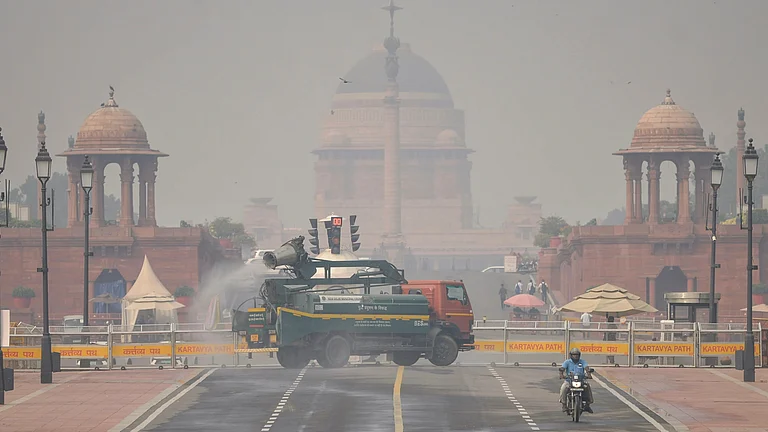
From 1 November to 31 January, all outdoor civil construction activity will remain prohibited, except for essential public infrastructure projects. Major construction sites and large commercial buildings will also be required to deploy anti-smog guns or mist systems to control dust emissions.
The plan also provides for stricter enforcement against the open burning of waste, with institutions and Resident Welfare Associations expected to ensure compliance within their premises.
Which Vehicles Could Face Restrictions?
Throughout the year, motorists without a valid PUC certificate will not be able to purchase fuel at filling stations in Delhi. From 1 November to 31 January, non-Delhi registered vehicles that do not meet BS-VI emission standards will not be allowed to enter the capital, subject to notified exemptions for emergency services and specified categories, including electric and CNG vehicles.
Parking charges at authorised parking facilities will also be doubled during the notified winter period.
Will Private Companies Also Be Covered?
Yes. The plan applies to both government offices and private establishments.
From 1 November to 31 January, covered offices will operate with only half their employees physically present, while the remaining workforce works from home. The plan also provides for staggered office timings during the winter period. Essential services, including healthcare, emergency response and other critical public utilities, are expected to continue functioning without disruption.

Why Is The Government Doubling Parking Fees?
Under the notification, parking charges at authorised parking facilities will be doubled from 1 November to 28 February. The increase will apply only during the notified winter period.
What Happens Under The New WFH Policy?
The work-from-home requirement will now become a pre-scheduled winter measure under the annual plan instead of being introduced through separate seasonal orders.
For three months every winter, offices covered under the plan will function with a 50 per cent physical workforce, while the remaining employees work remotely. The notification also provides for staggered office timings during the winter period. As reported by The New Indian Express, the government has presented the plan as a preventive measure instead of an emergency response.
How Is This Different From GRAP?
The key difference is that the Winter Pollution Master Plan is calendar-based, while GRAP is triggered by air quality. The notified measures will now apply every year from 1 November to 28 February irrespective of the day's Air Quality Index. GRAP, by contrast, comes into effect only after air quality crosses specified thresholds, with restrictions becoming progressively stricter as pollution worsens. In effect, Delhi will now begin every winter with a fixed set of restrictions already in place, while GRAP will continue to impose additional curbs whenever air quality crosses prescribed thresholds.















