Scientists term the situation very harmful, almost for third consecutive year.
Erratic temperature patterns, inadequate chilling hours, and untimely rains affect productivity
Rains also trigger assive landslides on the border of the Chamba and Lahaul-Spiti
Snowfall in April, back-to-back hailstorms, incessant rains, and unexpected temperature drops have hit Himachal Pradesh’s prime apple belt hard amid peak bloom time, heightening the chances of losses even as scientists term the situation very harmful, almost in the third consecutive year.
The scientists also refer to this phenomenon as a 'pattern,' prompting orchardists and apple producers to closely monitor this gradual disaster, which threatens the future of horticulture, a sector that was once a significant driver of economic prosperity in the hill state.
The hailstorm has particularly flattened the anti-hail nets covering the apple plants as a measure of protection to the fruit-bearing plants and caused considerable economic loss to the orchardists who would rather have bright sunny days for the flowering and better pollination activity.
“This is a situation very harmful to the orchards, both apples and stone fruits. Initially, we thought the rains would bring some soil moisture to neutralise the drought effect, but excess rains and hail have created an added problem,” said Dr S K Bhardwaj, professor of environmental sciences and climate expert at Dr. Y. S. Parmar University of Horticulture and Forestry.




Several parts of Himachal Pradesh, including Shimla—the apple bowl—and the higher hills, are experiencing severe cold conditions (almost like December), which halts the natural process of flowing and fruit setting in the apples.
“Low temperatures impede pollen germination and retard the growth of pollen tubes. Strong winds accompanying rain and cold conditions further disrupt orchard operations, while hailstorms in certain areas add to the damage,” says Gautam Chauhan, a young orchardist at Kotkhai.
During the past week, the weather has taken a dramatic shift after a brief period when the temperature had become favourable to the crop in February-March, but soon, the change occurred.
This week, the temperature dropped considerably after snowfall and repeated spells of rain accompanied by hailstorms and sweeping winds. Many parts of the Shimla district, like Rohru, Kotkhai, Matiyana, and Kotgarh, suffered damage to apple plants and reported destruction to the anti-hail nets.
Dr. Bhardwaj said, “The climate volatility is causing serious concerns. The Himalayan region has become a central point of changes, which are seen in the climate and extreme events—drought spells, delayed snowfall or reduced snow, thunderstorms, and hail are other factors making things really tough."
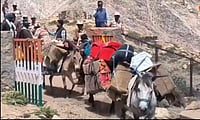
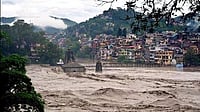
During the past 48 hours, the rains have also triggered massive landslides on the border of the Chamba and Lahaul and Spiti districts of Himachal, cutting off the tribal Pangi valley from the rest of the state.
About 40-50 people in private vehicles and taxis were stranded at Sugalwas and Kadu Nullah, with nearly all of them spending the night under severe cold wave conditions.
The local meteorological station has issued orange and yellow warnings of hailstorms, thunderstorms, and lightning in the plains and higher hills and also predicted a wet spell up to April 13.
Reports of hailstorms damaging the crops have also poured from the districts of Kullu and Chamba.
Earlier, before this, the sudden temperature rise disrupted the chilling hour requirements in the apple areas. The warmer winters and rain deficit upto 99 percent also reflected the climate change
Two factors, viz., unseasonal warmth and climate variability, are major causes of weather stress, making Himachal Pradesh’s apple industry, valued at Rs. 5,500 crore, struggle for survival, even as tariff-related changes are also considered adding to market uncertainties.
Erratic temperature patterns, inadequate chilling hours, and untimely rains during the flowering and fruit-setting stages have adversely affected productivity. Additionally, extreme events such as hailstorms, strong winds, and prolonged dry spells are further compounding losses, posing serious challenges to both yield stability and growers’ livelihoods.”