US Vice President JD Vance will travel to Pakistan on Tuesday for high-level talks with Iran aimed at extending or finalising a ceasefire in the ongoing US-Iran conflict, following a first round of marathon negotiations that lasted over 21 hours but failed to produce a deal.
The delegation also includes Trump’s special envoy Steve Witkoff and Jared Kushner; the move comes after some initial confusion when President Trump suggested Vance might not attend due to security concerns over short notice.
The talks in Islamabad are taking place amid heightened tensions, with Iran reportedly rejecting immediate new negotiations and the current ceasefire nearing its expiry.
US Vice President JD Vance is set to travel to Pakistan on Tuesday to lead a high-level American delegation for the second round of direct talks with Iran, as efforts intensify to stabilise a fragile ceasefire in the West Asia conflict.
The White House confirmed that Vance will head the US team, which also includes special envoy Steve Witkoff and Jared Kushner, President Trump’s son-in-law. Meetings are scheduled to begin in Islamabad, with the possibility of extending into Wednesday.
This development follows some confusion earlier on Sunday when President Trump indicated in multiple interviews that Vance would not attend the talks due to security concerns related to the short notice. The White House later clarified that “things changed” and confirmed Vance’s participation.


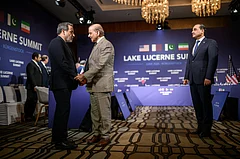
The upcoming round comes after the first set of face-to-face negotiations in Islamabad earlier this month, which lasted more than 21 hours but ended without a breakthrough. Pakistan has been playing a key mediating role in facilitating the talks between Washington and Tehran.
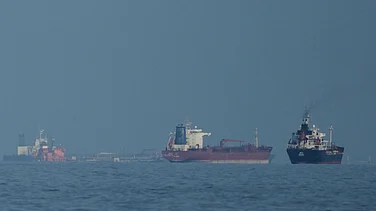
The timing is critical as the current ceasefire between the US, Israel and Iran is nearing its expiry. President Trump has repeatedly warned that failure to reach a deal could lead to renewed US strikes on Iranian infrastructure, including bridges and power plants. Iran, meanwhile, has shown reluctance for immediate new talks according to some reports, while also maintaining pressure through actions in the Strait of Hormuz.
The Vance-led delegation’s visit underscores the high stakes involved. A successful outcome could help de-escalate the seven-week-old conflict that has disrupted global energy routes and raised fears of wider regional instability. Failure, however, risks pushing the two sides back into direct confrontation.
Pakistani officials have expressed readiness to host multi-day talks and have been coordinating closely with both sides. The reopening of diplomatic channels through Islamabad is being viewed as a significant, though challenging, opportunity for diplomacy at a time when traditional routes appear strained.